Before you buy
Quentin, after a careful discussion and exchange of ideas, understood exactly what we were looking. He then sent us examples of a range of properties from which we were able to refine our own definitions of exactly what we were looking for and what our budget would allow. A true professional in real estate and a pleasure to deal with.
Quentin has an excellent approach, great communication, expert knowledge, warm and empathetic whilst going through our property search with us. We cannot thank you enough and would highly recommend you to anyone starting their property search in Portugal. Kindest. Victoria
I found Quentin an excellent communicator when my wife and I were researching properties in his area. We had chats via zoom calls and he had properties to view when we arrived from UK. Good service, humorous and professional.
I had the pleasure of partnering with Quentin during a visit in Portugal. Quentin was a true partner, coordinating the whole trip, taking into account every detail and aspect of the trip, accessible the whole time and very understanding. He was very present and attentive to my needs and expectations. I can only highly recommend Quentin.
We had limited experience with Quentin - because he is in Portugal and we are in Canada. We can say that Quentin is completely professional. He answered emails same day and always provided information we asked for. He took the time to do his job well and we will continue our dealings with him.
Efficient, proactive, ready to help, pleasant relationship, large inventory
Muy buen servicio, profesionales. Nuestro contacto fue con Quentin y de verdad siempre muy pendientes de resolver nuestras dudas y con un trato sumamente agradable y servicial. 100% recomendables.
Hemos comprado una casa con Quentin y FineLuxuryProperty en Costa blanca y ustedes han sido fantásticos. ¡Muy recomendable! Gracias para todo.
A great company to deal with, very professional and always kept me up to date with everything. Really enjoy working with these guys.
It was a very good experience working with Quentin, always very helpful and he knows very well the market in Portugal. Toujours un plaisir de travailler avec Fine Luxury Property. Bien cordialement, PL
These are real reviews from our verified Google Business profile. Read all on Google →
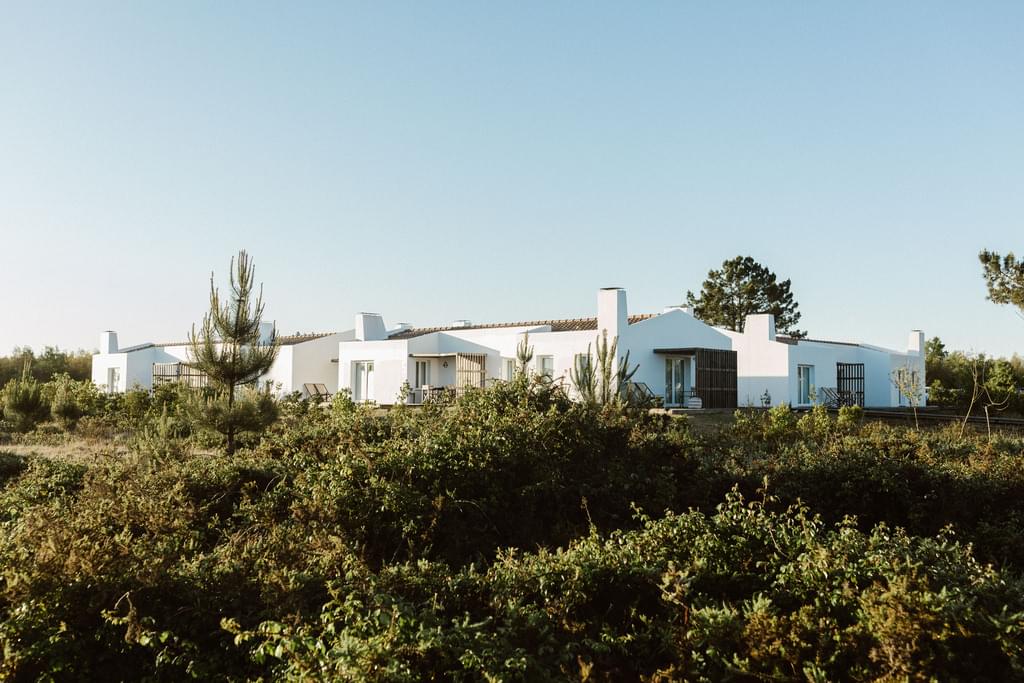
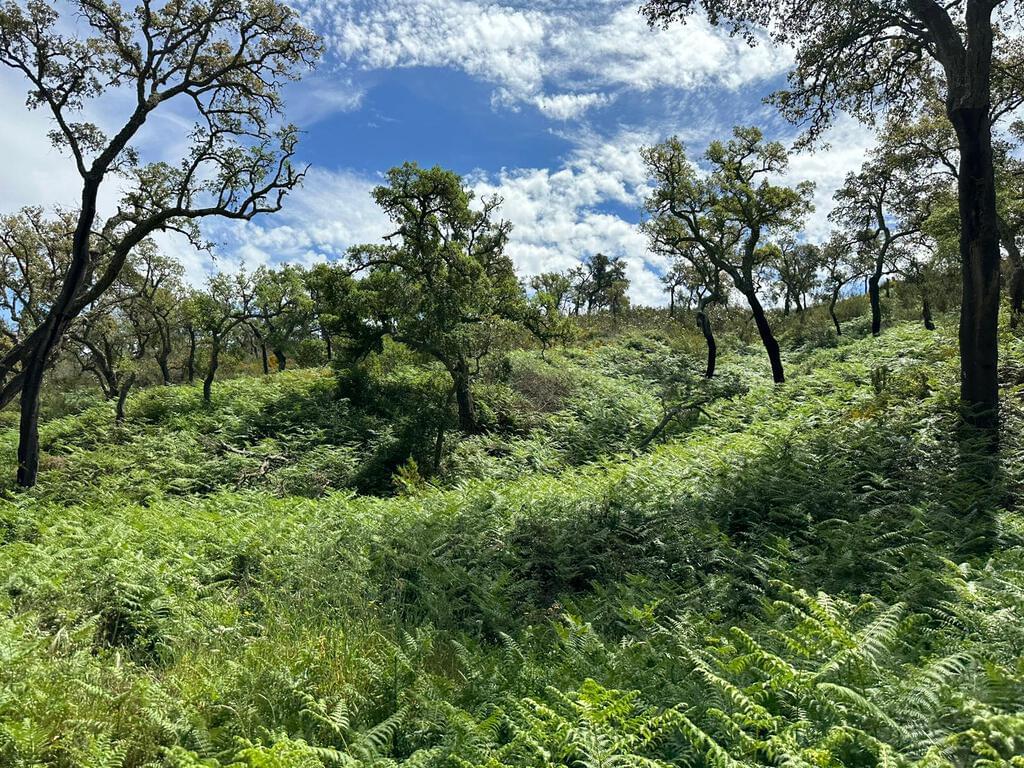
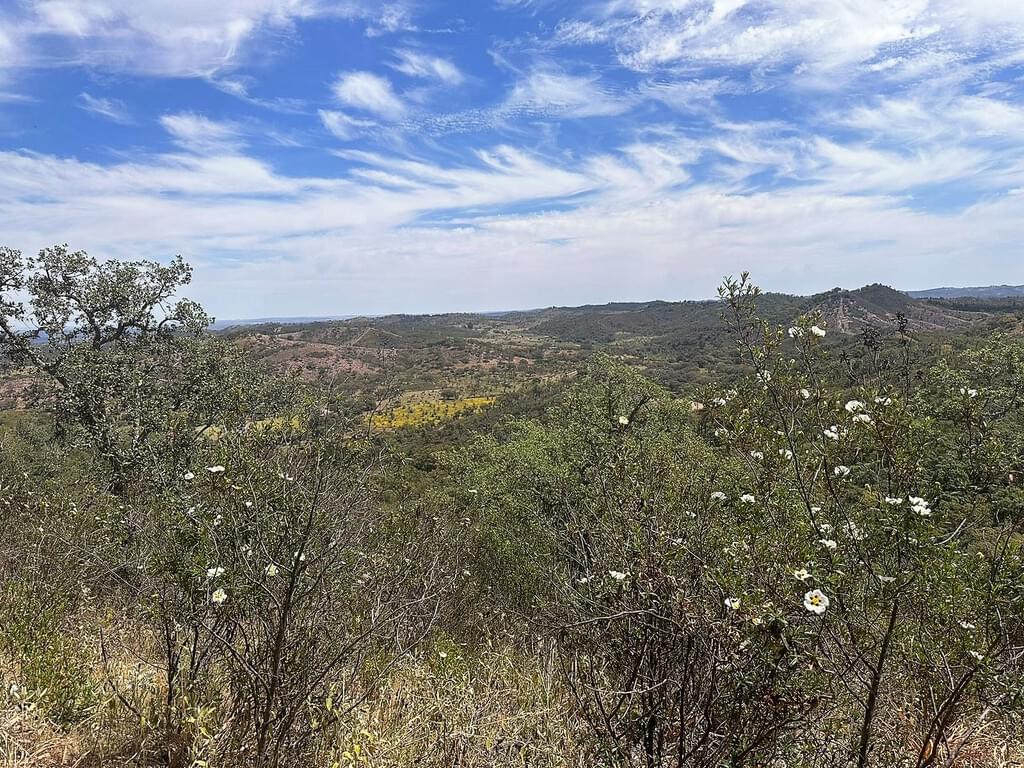
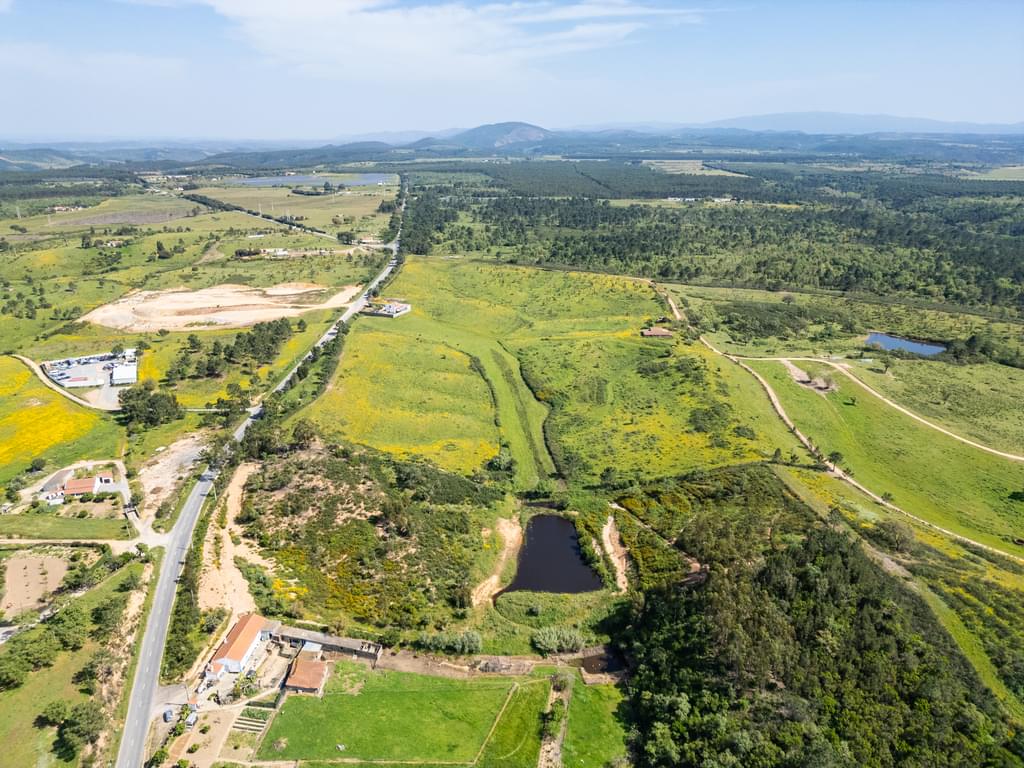
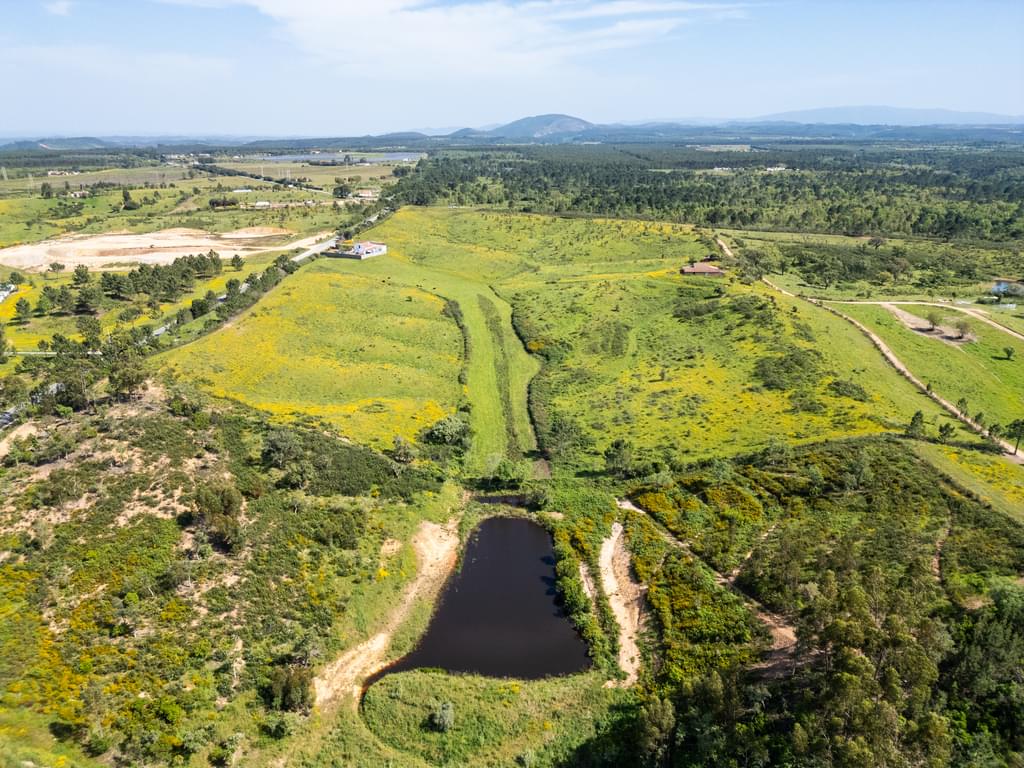
The capital of Portugal's Baixo Alentejo, Beja rises above rolling cork, olive and wheat country, its Roman and Visigothic walls watching over a hinterland of working herdades. Fine Luxury Property advises buyers on Alentejo quintas, town houses and wine and olive estates across the Beja district, from 10-hectare olive groves to 500-hectare hunting and cork herdades.
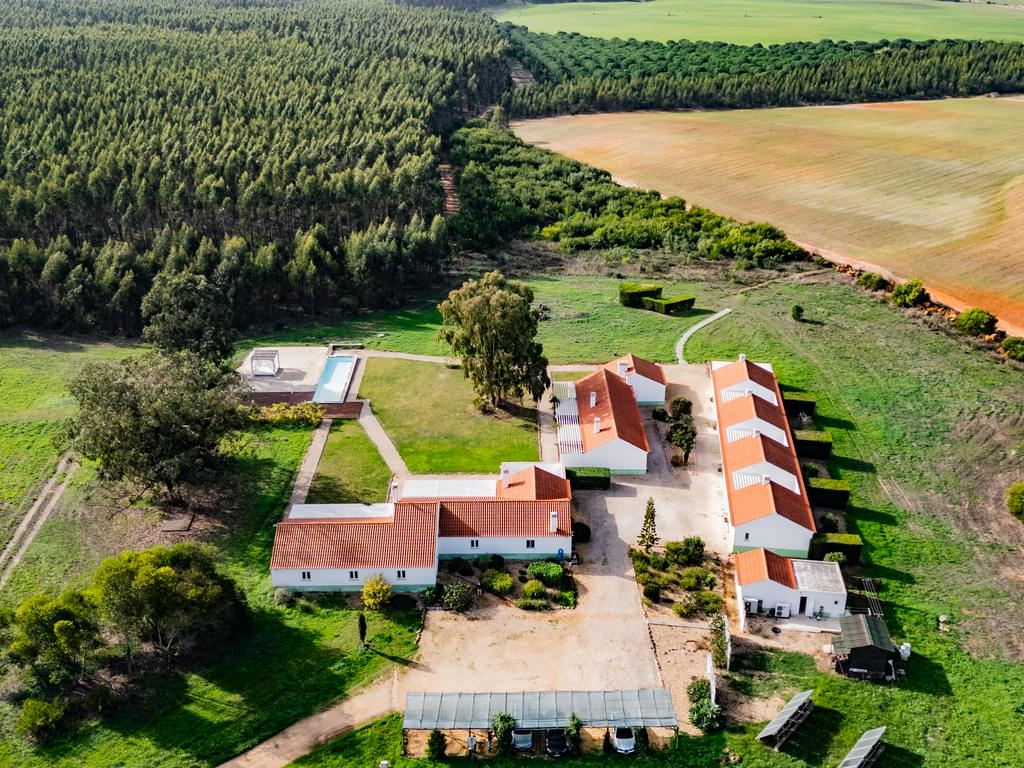
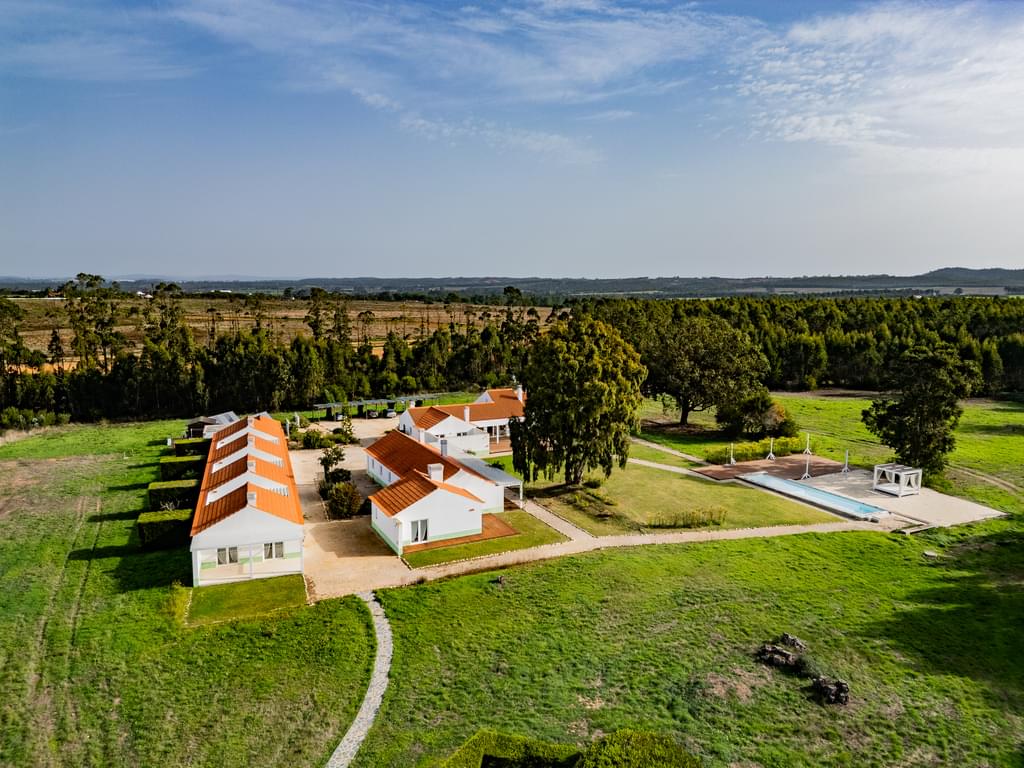
Working and gentleman herdades across the Beja district, typically 10-500 hectares with farmhouse, cork, olive, vineyard and hunting rights, priced from €500,000 for entry-level quintas to €10 million for trophy herdades.
Farmhouses on 2-20 hectare plots, typical of the Beja, Serpa, Moura and Ferreira do Alentejo countryside, often with vineyards, olive groves, pool and guest cottages for rural-tourism operation.
Restoration-grade whitewashed town houses within Beja's walled historic centre, typically 150-400 m² with patios and roof terraces, priced €150,000-€600,000 and suited to boutique guesthouse or private-residence conversion.
Fine Luxury Property operates as a specialist Alentejo real estate agency with dedicated coverage of the Beja district, Évora, the Alqueva reservoir and the full Baixo Alentejo hinterland. Our AMI-registered brokerage works in Portuguese, English, French and Spanish, serving the British, French, Dutch, German and Scandinavian buyers drawn to Alentejo herdades, and we coordinate NIF, IMT, rural-register and notary work end-to-end.
The Beja district is one of Europe's most important cork and olive-oil producing regions, with world-record certified organic olive oil coming out of Serpa and Moura. Working herdades generate meaningful agricultural income alongside ownership, particularly for buyers willing to engage with existing tenant farmers.
Beja sits inside the Alentejo DOC wine region, with sub-regions including Vidigueira and Moura producing Antão Vaz, Aragonez and Trincadeira-led wines. Boutique wine-estate prices here sit at a fraction of Douro equivalents, offering a credible gentleman-farmer entry point with meaningful upside on brand investment.
The Beja district combines Roman (Pax Julia), Visigothic and Moorish heritage, with medieval castles across Beja, Serpa, Moura and Mértola. Population density is among Europe's lowest, preserving wide landscapes, dark skies and an unhurried rural character that appeals to buyers seeking genuine seclusion.
Beja district herdades trade at €4,000-€8,000 per hectare for grazing and cork land, and €8,000-€25,000 per hectare for established vineyards, orders of magnitude below Cascais, Lisbon or Algarve per-square-metre pricing. For patient buyers seeking land scale, Beja is Portugal's best-value luxury rural market.
The Beja district spans 10,000 km² from Ferreira do Alentejo in the north to Mértola on the Guadiana river. Each sub-area has a distinct agricultural profile (cork in Ourique, vineyards in Vidigueira, olive oil in Moura, Alqueva reservoir around Mourão). We begin with a driven tour that profiles client land, production and lifestyle objectives.
Non-EU buyers obtain a Portuguese NIF, open a Portuguese bank account and, for land-heavy purchases, register with IFAP (the agricultural payments agency) to qualify for ongoing CAP subsidies where the estate is farmed. We arrange all three inside 10-15 working days.
Our lawyers and agricultural surveyors verify rural-register boundaries (Caderneta Rústica), water rights from the Alqueva reservoir or boreholes, cork-harvest cycle position (cork is harvested every nine years and existing rotations materially affect near-term income), and any Reserva Agrícola Nacional overlays on buildable land.
The promissory contract is signed with 10-20% deposit. For herdades with ongoing tenant-farmer agreements or CAP subsidy cycles, the CPCV typically includes suspensive conditions tied to tenant consents, pending subsidies and transfer of water-use rights.
On final deed, IMT transfer tax (reduced rates often apply for rural properties, though urban portions of the estate fall under standard scale), 0.8% stamp duty and 1-2% notary and Conservatória do Registo Predial fees are settled. Rural IMI is 0.8% of rateable value, versus 0.3-0.45% for urban stock.
Alentejo rural land values have compounded at 4-7% annually over the last decade, supported by growing demand for authenticated cork, olive oil and Alentejo DOC wine, with institutional and family-office buyers now active alongside traditional agricultural families.
The Alqueva dam, Europe's largest artificial reservoir, has transformed Beja district agriculture through large-scale irrigation, enabling intensive olive, almond and vineyard plantations and creating a new lakefront second-home micro-market around Amieira, Mourão and Monsaraz.
Alentejo rural tourism has grown consistently, with herdades converted to luxury agriturismo hotels achieving 4-6% gross yields and strong brand-building optionality. The Alentejo has been named World Travel Awards' Leading Wine Region several years running.
For international buyers priced out of Tuscany, Provence or Napa, a 100-hectare cork-and-olive herdade in the Beja district typically trades at €1.5-€4 million depending on buildings and plantation, delivering genuine scale with production economics for a fraction of equivalent European rural markets.
Entry-level Beja district quintas start around €400,000 for a renovated farmhouse on 5-10 hectares. A 50-100 hectare working cork and olive herdade with farmhouse, guest cottages and pool typically costs €1.5-€4 million. Trophy 500-hectare herdades with hunting rights reach €8-€15 million. Built floor area trades at €1,500-€3,500 per square metre depending on renovation level. Grazing and cork land sits at €4,000-€8,000 per hectare, with established vineyards at €8,000-€25,000 per hectare depending on DOC designation and irrigation.
Vidigueira and Cuba, in the northern Beja district, are the heart of Alentejo wine country and suit buyers wanting vineyard estates. Serpa and Moura, east towards Spain, offer premium olive-oil herdades and cork-oak grazing land. Ferreira do Alentejo and Ourique specialise in almond and olive plantations. The Alqueva reservoir area around Mourão and Monsaraz combines rural character with lakefront access. Beja city itself offers historic-centre town houses for boutique guesthouse or primary-residence use.
Non-residents face no ownership restrictions on rural property in Portugal. The process requires a Portuguese NIF, a Portuguese bank account and an independent advogado with rural-property experience. Land-heavy purchases also require IFAP registration if the buyer intends to claim CAP subsidies. Due diligence covers rural-register boundaries, water rights, cork-harvest cycles and tenant-farmer agreements. Our team regularly closes Alentejo herdade transactions for British, French, Dutch, German, Swiss and American clients over 60-120 days.
Beja has one of Portugal's hottest, driest climates, with 320+ days of sunshine a year and summer highs regularly above 35 degrees Celsius from June to August. Winters are mild, averaging 10-14 degrees, with low rainfall concentrated in December-February. The Alentejo's continental climate underpins its world-class olive and cork production, though irrigation is increasingly important for vineyards. Dark-sky conditions in the district around Cuba and Cumeada have earned international astrotourism designation, a growing draw for rural-tourism operators.
No. Portugal's Golden Visa programme stopped accepting real-estate investment in October 2023. Non-EU buyers of Beja herdades now typically pair acquisition with the D7 passive-income visa (widely used by retirees moving to the Alentejo), the D8 digital-nomad visa, or the IFICI skilled-professional regime. For agricultural operators, Portugal also offers specific investor and entrepreneur visa routes, which can be combined with the estate purchase structure. We coordinate with specialist immigration counsel on every transaction.
Beja sits 180 km south-east of Lisbon, approximately 2 hours by car via the A2 and A26 motorways. Lisbon airport is 1 hour 45 minutes. The Alentejo coast (Comporta, Melides, Zambujeira do Mar, Vila Nova de Milfontes) lies 90 minutes west via the IP8. The Algarve (Faro, Tavira) is 1 hour 45 minutes south via the IP2. Beja also has its own regional airport, currently used for charter and cargo, which has been proposed for scheduled passenger service as part of Lisbon airport overflow planning.
Rural IMT transfer tax rules are slightly different from urban ones. For mixed (urban + rural) herdades, the urban buildings are taxed on the standard sliding 0-7.5% IMT scale, while purely rural land portions attract a flat 5% rate in most cases. Stamp duty is 0.8%. Notary and registry fees add 1-2%. Annual IMI is 0.8% of the rateable value for rural land, versus 0.3-0.45% on urban property. Non-resident income from agricultural operations and rural tourism is taxed at a flat 25%, though CAP subsidies are treated separately.
Serving international clients in Beja. Expertise in historic preservation, new developments, and investment properties across all neighborhoods.
Before you go
Tell us what you have in mind — a location, a budget, a type of home — and a member of our team will come back to you personally. No obligation.
A member of our team will be in touch with you shortly.