Before you buy
Quentin, after a careful discussion and exchange of ideas, understood exactly what we were looking. He then sent us examples of a range of properties from which we were able to refine our own definitions of exactly what we were looking for and what our budget would allow. A true professional in real estate and a pleasure to deal with.
Quentin has an excellent approach, great communication, expert knowledge, warm and empathetic whilst going through our property search with us. We cannot thank you enough and would highly recommend you to anyone starting their property search in Portugal. Kindest. Victoria
I found Quentin an excellent communicator when my wife and I were researching properties in his area. We had chats via zoom calls and he had properties to view when we arrived from UK. Good service, humorous and professional.
I had the pleasure of partnering with Quentin during a visit in Portugal. Quentin was a true partner, coordinating the whole trip, taking into account every detail and aspect of the trip, accessible the whole time and very understanding. He was very present and attentive to my needs and expectations. I can only highly recommend Quentin.
We had limited experience with Quentin - because he is in Portugal and we are in Canada. We can say that Quentin is completely professional. He answered emails same day and always provided information we asked for. He took the time to do his job well and we will continue our dealings with him.
Efficient, proactive, ready to help, pleasant relationship, large inventory
Muy buen servicio, profesionales. Nuestro contacto fue con Quentin y de verdad siempre muy pendientes de resolver nuestras dudas y con un trato sumamente agradable y servicial. 100% recomendables.
Hemos comprado una casa con Quentin y FineLuxuryProperty en Costa blanca y ustedes han sido fantásticos. ¡Muy recomendable! Gracias para todo.
A great company to deal with, very professional and always kept me up to date with everything. Really enjoy working with these guys.
It was a very good experience working with Quentin, always very helpful and he knows very well the market in Portugal. Toujours un plaisir de travailler avec Fine Luxury Property. Bien cordialement, PL
These are real reviews from our verified Google Business profile. Read all on Google →
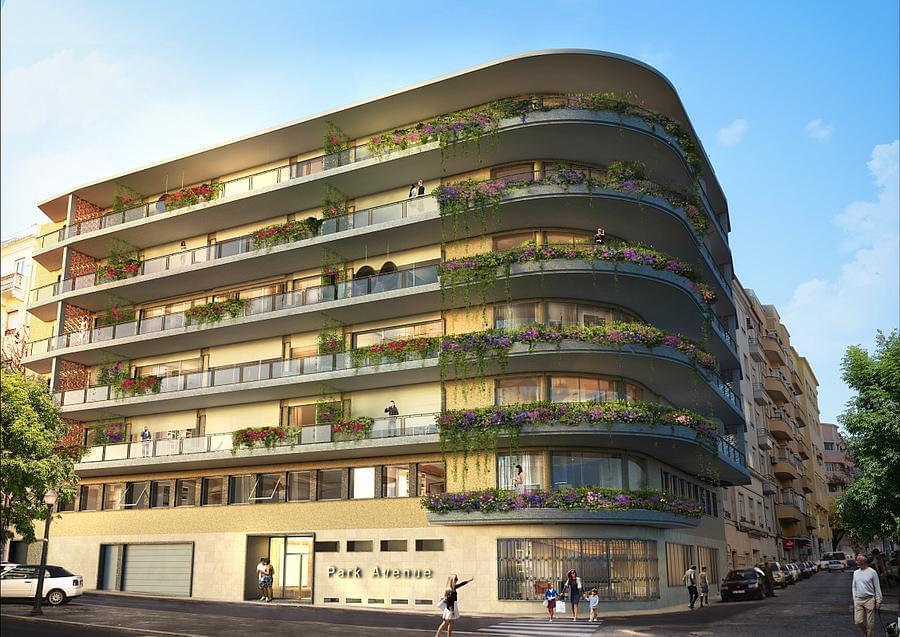
From Lisbon's pombaline townhouses to the Algarve's cliff-top villas and the Douro's wine estates, Portugal's diverse real estate markets span every format a discerning buyer considers. Fine Luxury Property advises international clients across the whole country, combining on-the-ground brokerage with NHR 2.0 and tax-residency guidance. Active inventory covers €500,000 starter apartments through €30M+ trophy estates, with the deepest concentrations in Lisbon, Cascais, the Algarve, Comporta and Porto.
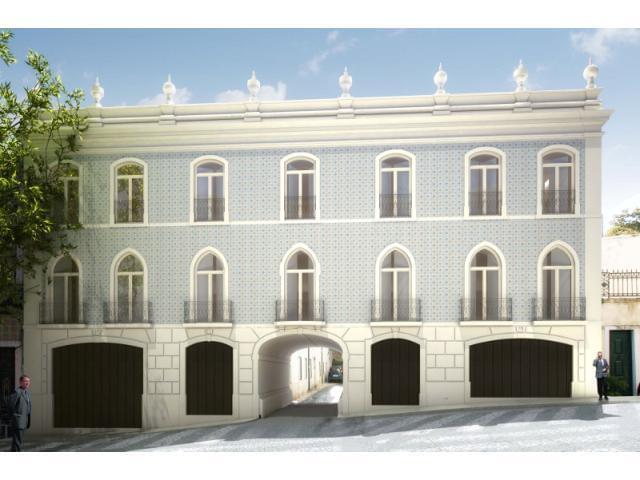
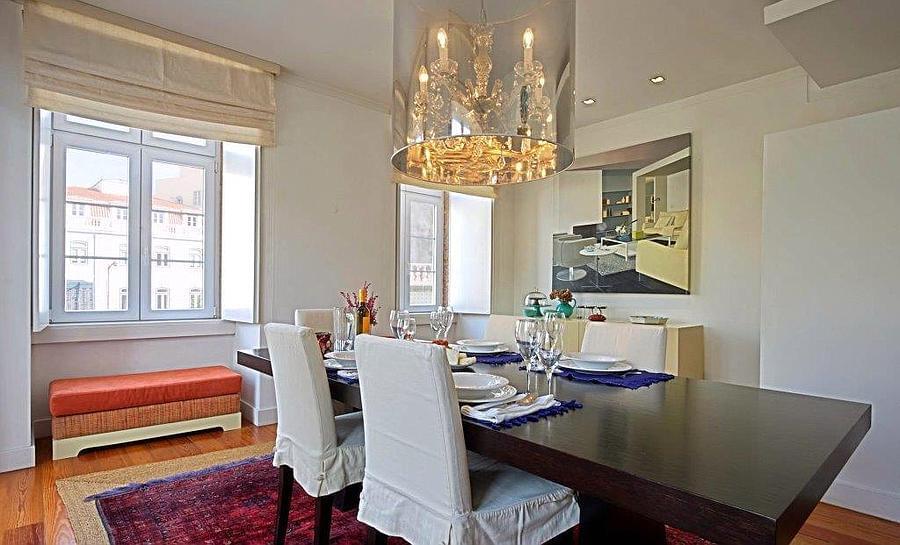
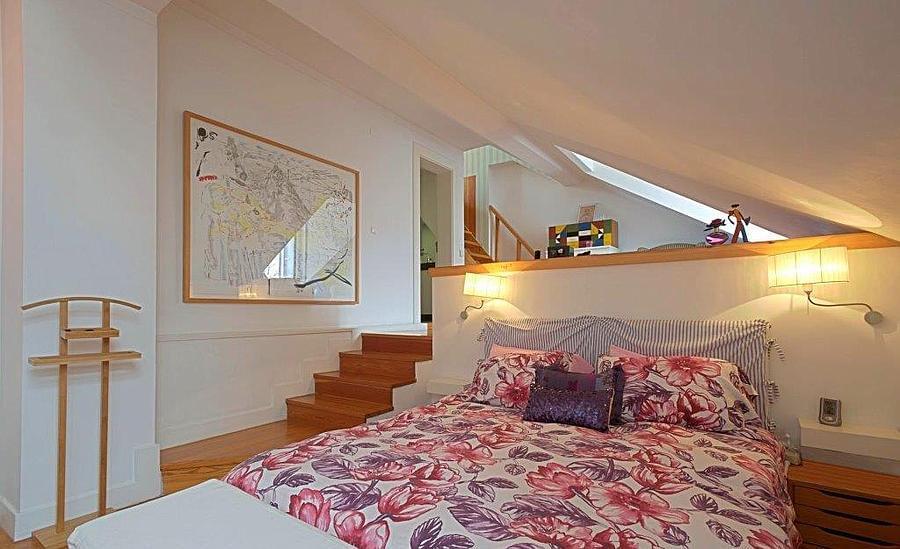
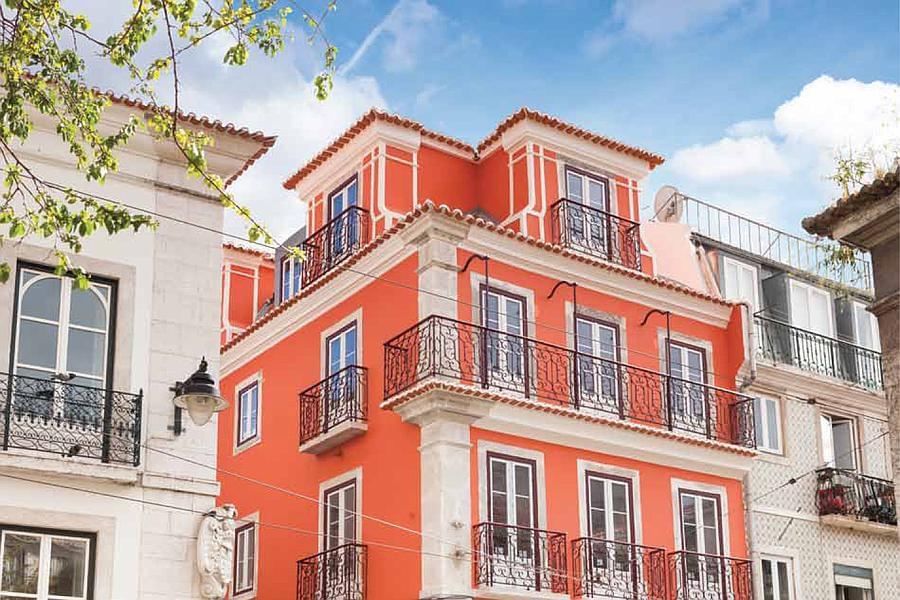
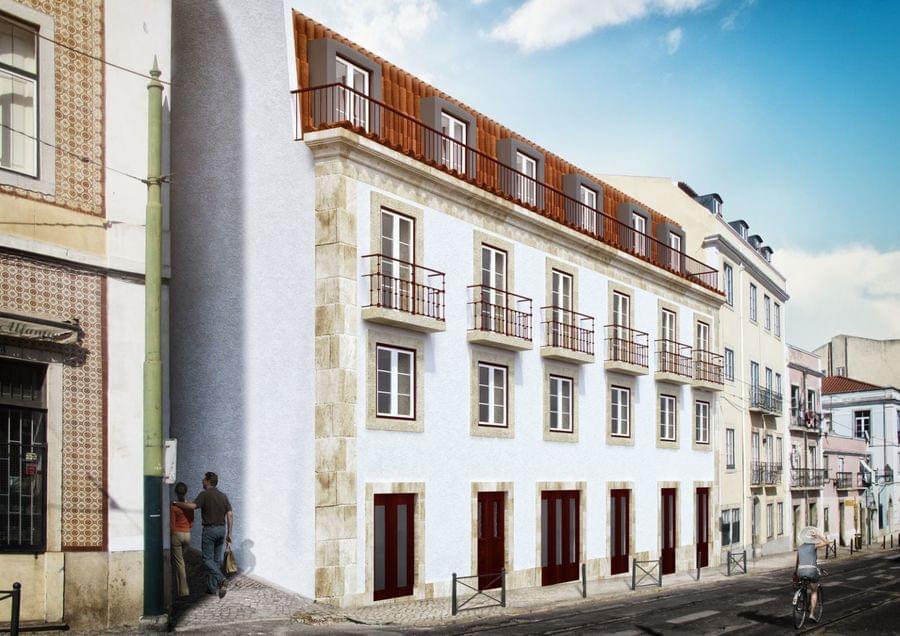
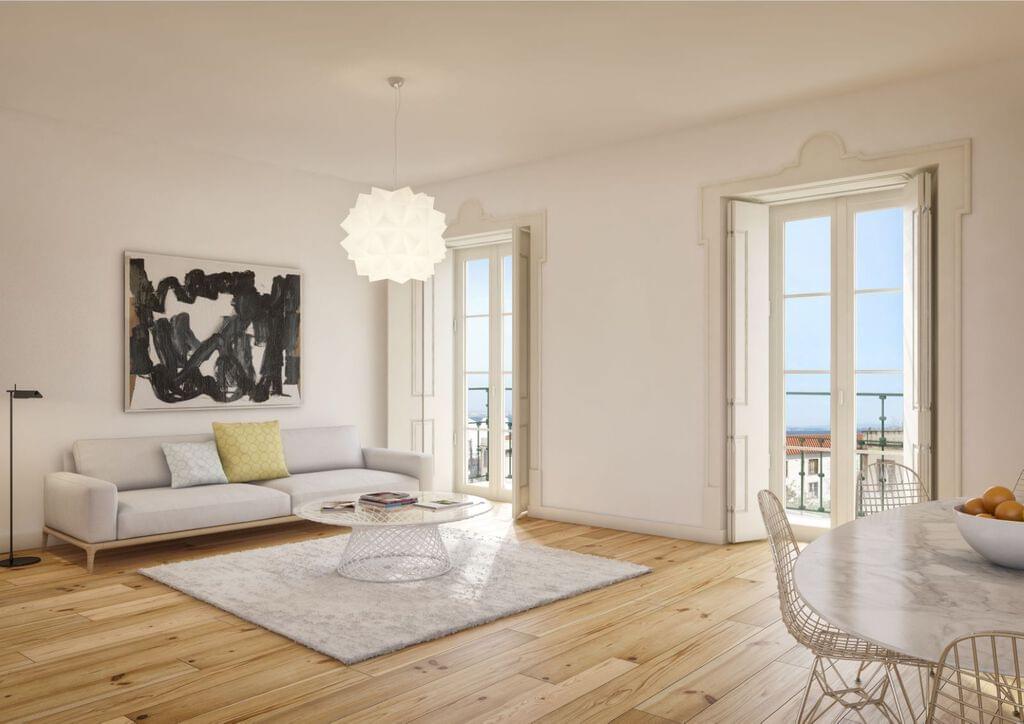
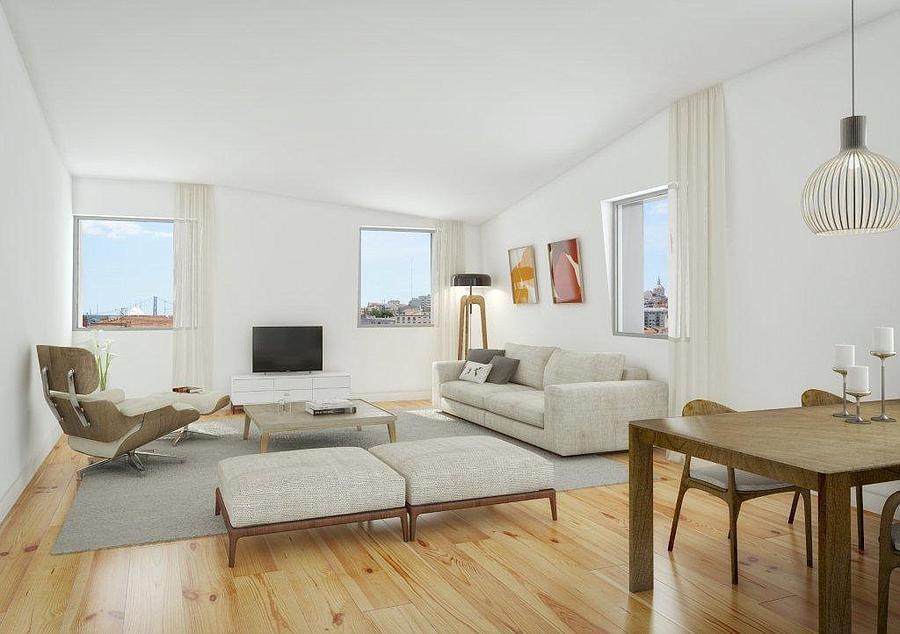
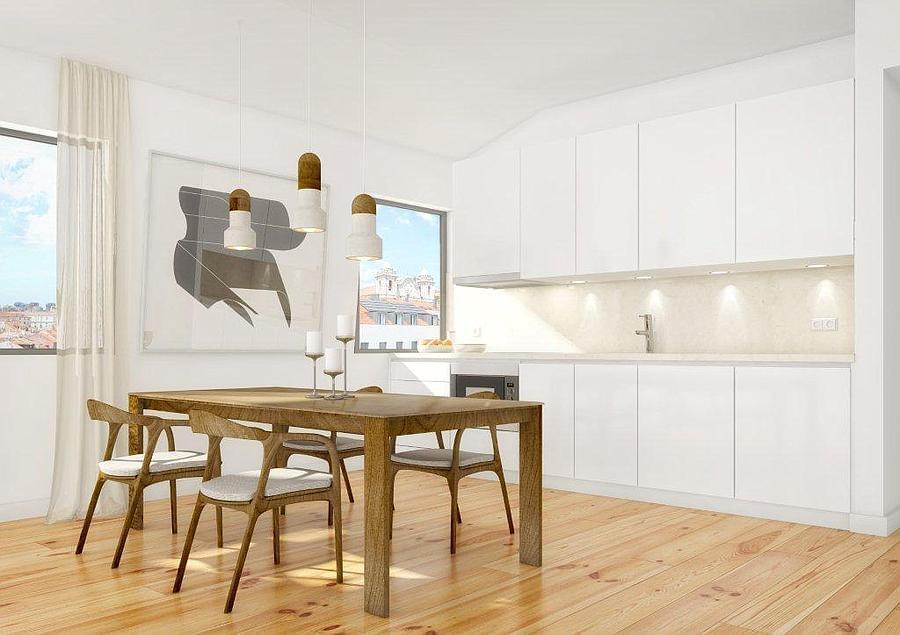
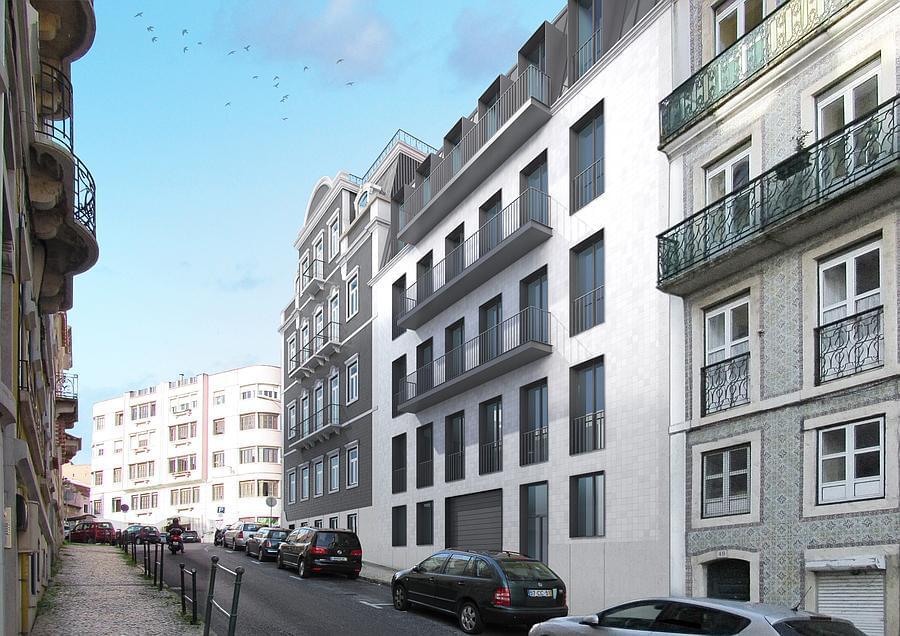
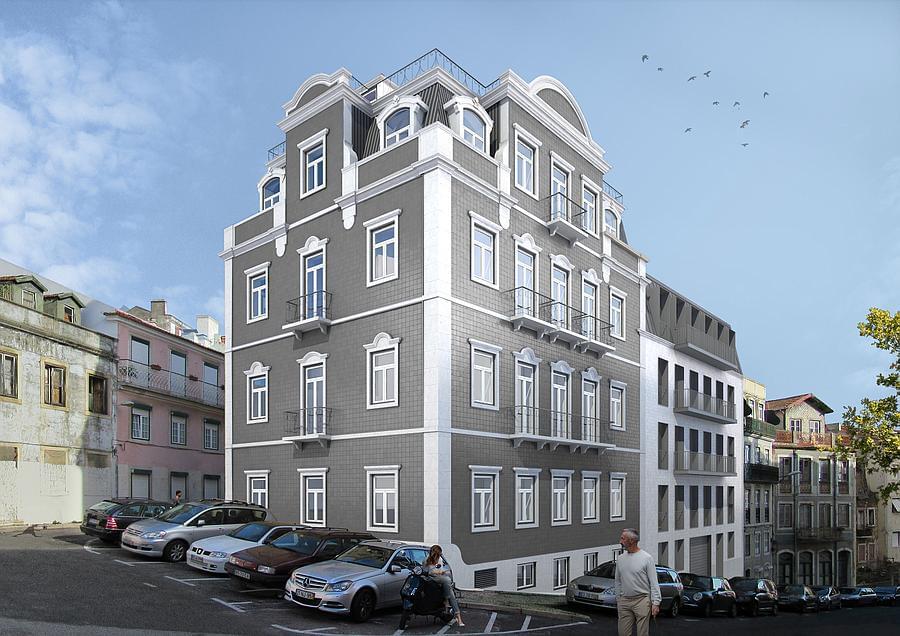
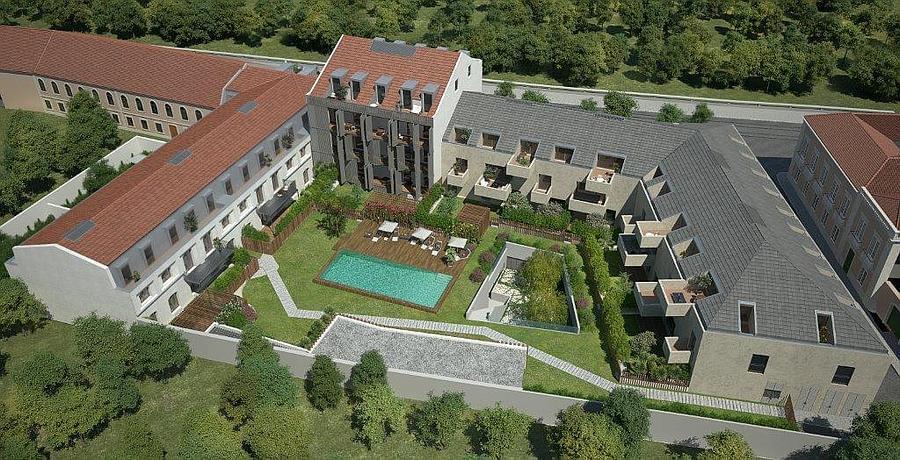
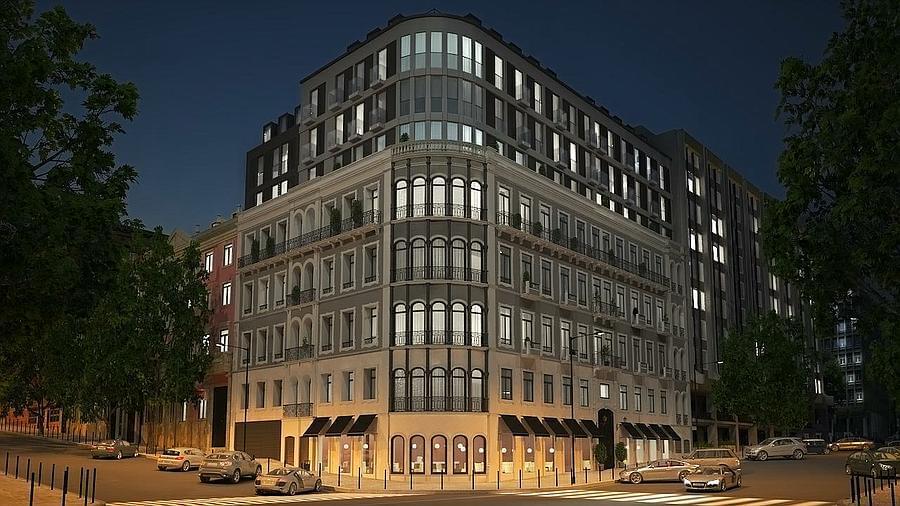
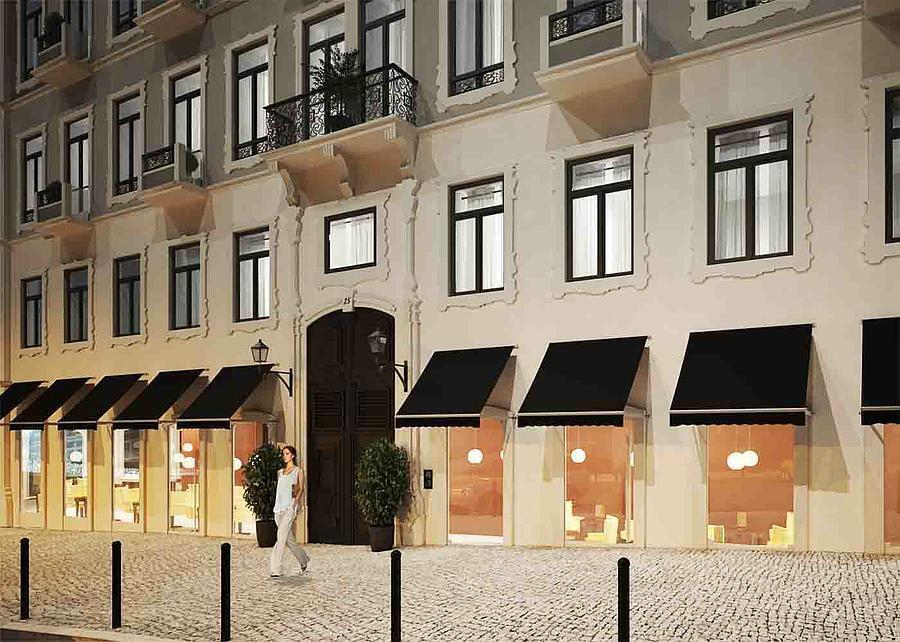
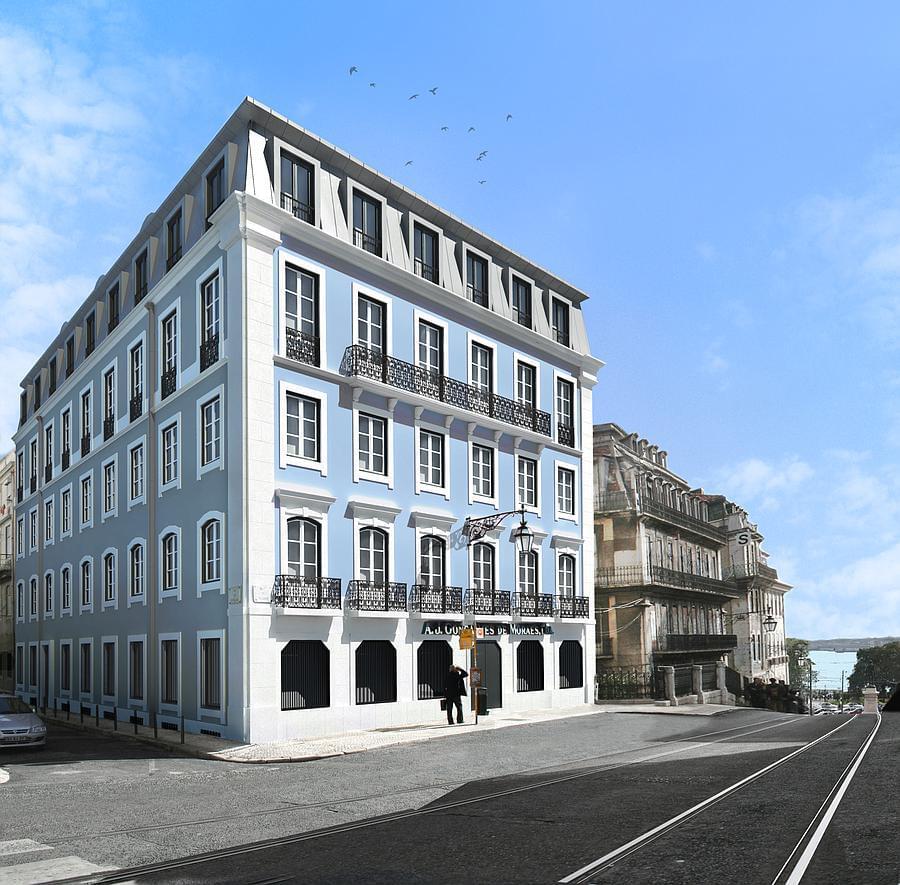
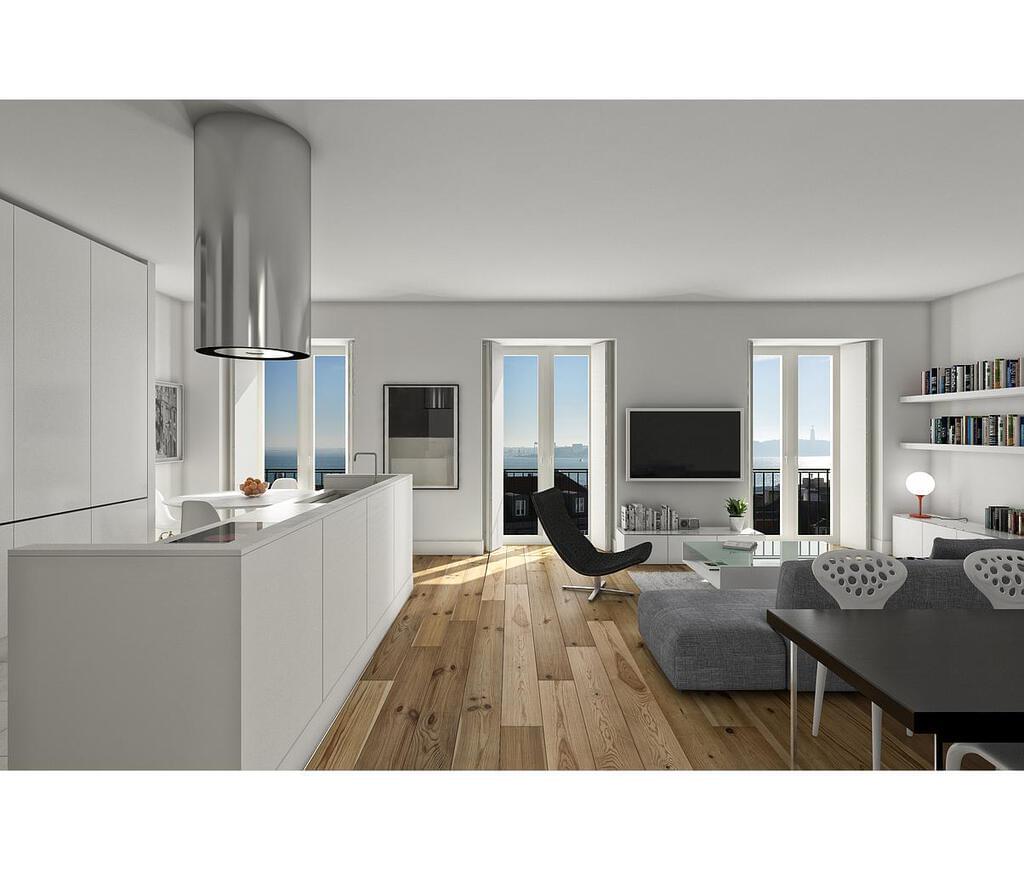
Pombaline and belle-époque apartments in Lisbon and Porto, fully renovated three-bedroom residences typically trading between €900,000 and €3.5 million in prime parishes.
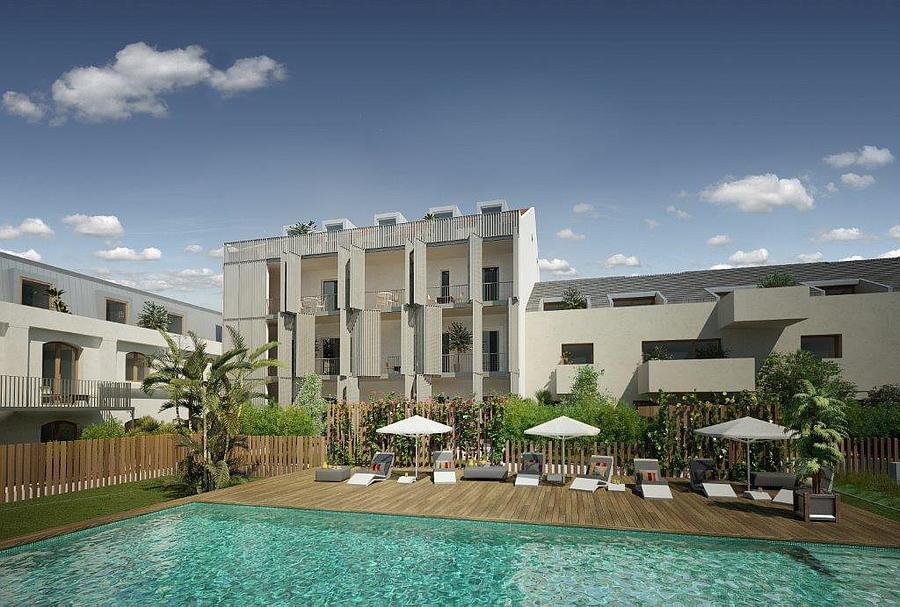
Contemporary and classical villas on the Estoril coast, Algarve's Golden Triangle and the Silver Coast, with pools, sea views and gated-community security from €1.5 million upwards.
Working quintas and herdades in the Alentejo, Douro and Ribatejo, from vineyard estates in the Douro valley to cork and olive farms south of the Tagus, often 20-200 hectares.
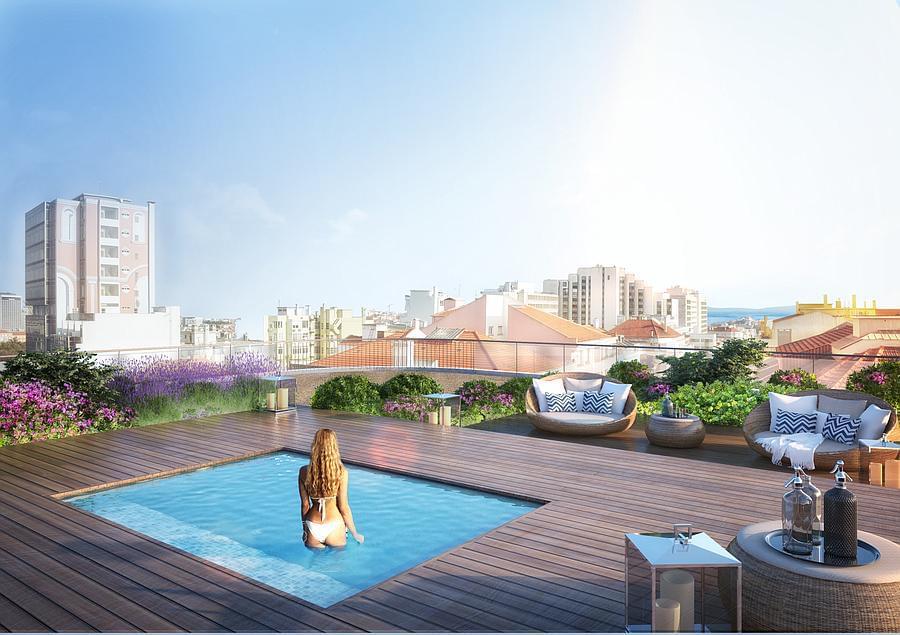
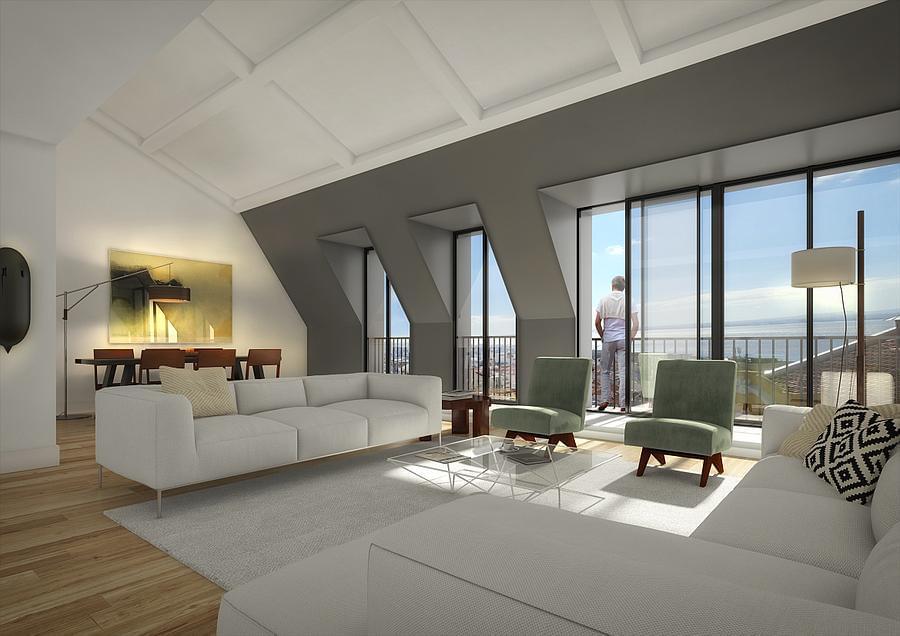
New-build and heritage conversion penthouses with Tagus or Atlantic frontage, private terraces and panoramic lifts, concentrated in Chiado, Príncipe Real, Foz do Douro and the Cascais marina.
Fine Luxury Property operates as a boutique estate agency and buyers' consultancy across Portugal, with offices serving Lisbon, the Cascais-Estoril Riviera, Porto and the Algarve. Our multilingual team handles NIF registration, IMT filing, notary coordination and NHR 2.0 / IFICI applications for international clients, and we openly share off-market inventory between our country teams so buyers see the full market, not a single agency's listings.
Portugal's Non-Habitual Resident 2.0 (IFICI) programme, introduced in 2024, offers a flat 20% personal income tax on qualifying employment and self-employment income for ten years, aimed at researchers, scientists and skilled professionals relocating to Portugal.
Prime segments in Lisbon, Cascais and the Algarve's Golden Triangle have compounded at roughly 5-8% annually over the last decade, outperforming most of the eurozone while remaining priced below Paris, Barcelona or Milan on a per-square-metre basis.
While the Golden Visa no longer accepts real-estate investment, buying property in Portugal pairs naturally with the D7 passive-income visa, D8 digital-nomad visa and IFICI professional regime, each of which offers a route to Portuguese residency and Schengen mobility.
Portugal has 1,800 km of Atlantic coastline, 300+ days of sun in the south, and ranks in the top seven of the Global Peace Index, a combination that underpins both year-round second-home demand and a growing permanent resident base.
Every buyer needs a Portuguese tax number (NIF). Our team organises this in 48-72 hours via a local fiscal representative, along with a Portuguese bank account for the eventual escrow and IMT payments.
A signed reservation agreement takes the property off the market while lawyers verify the Caderneta Predial, Certidão de Registo Predial, energy certificate and municipal licences, typically within 10-15 working days.
The promissory contract is signed with a 10-20% deposit. If the buyer defaults they forfeit the deposit; if the seller defaults they pay double. Completion normally follows 30-90 days later.
Before final deed, the buyer settles IMT transfer tax on a sliding 0-7.5% scale based on price and use, plus 0.8% stamp duty. Municipal property tax (IMI) then runs 0.3-0.45% annually on urban property.
The public deed is signed before a notary or on a private authenticated document basis. Registration at the Conservatória do Registo Predial follows the same day, and keys transfer immediately on funds release.
Non-EU buyers can pair acquisition with D7, D8 or IFICI residency routes. We coordinate with specialist tax counsel so the purchase structure and future rental income are efficient from day one.
The new NHR 2.0 / IFICI regime keeps Portugal competitive with Italy's flat-tax scheme and Spain's Beckham Law, offering 20% flat income tax on eligible Portuguese-source income for a decade.
Portugal builds roughly 25,000 homes a year against demand from both locals and 100,000+ new residents annually, keeping prime-market absorption strong and new-build premiums elevated in Lisbon, Cascais and Porto.
Sterling, US-dollar and Swiss-franc holders have enjoyed intermittent 10-20% FX discounts over the last three years, layering a currency return on top of underlying capital appreciation.
Portugal combines universal public healthcare, high-ranked private clinics in Lisbon and Porto, bilingual international schools and direct flights to every major European capital from Lisbon and Porto.
Portugal's property register is fully digitised, title insurance is straightforward, and foreign buyers have identical ownership rights to citizens, making it one of the most transparent luxury markets in southern Europe.
Entry-level luxury in Portugal begins around €800,000 for a renovated two-bedroom apartment in central Lisbon or Porto. Prime city apartments typically trade at €7,500-€13,000 per square metre in Lisbon and €4,500-€8,500 in Porto. Coastal villas in Cascais, the Algarve Golden Triangle or Comporta range from €2 million to €15 million for a four-to-six bedroom residence with pool and sea views. Trophy estates on the Douro or along the Alentejo coast regularly exceed €20 million.
Yes. Portugal imposes no restrictions on foreign ownership of residential, commercial or rural property. Buyers only need a Portuguese tax number (NIF) and, in practice, a Portuguese bank account for IMT and notary settlement. Non-EU buyers pair acquisition with the D7 passive-income visa, the D8 digital-nomad visa or the IFICI skilled-professional regime, each of which provides a route to legal residency. EU buyers benefit from full freedom of movement and establishment.
No. Since October 2023, the Portugal Golden Visa no longer accepts real-estate investment as a qualifying route, whether direct purchase, real-estate funds or renovation. The programme remains active for venture-capital fund subscriptions, cultural-heritage donations, scientific-research contributions and capital transfer in qualifying formats. International buyers seeking property-linked residency now typically use the D7, D8 or IFICI routes, each of which has different income and activity requirements.
Completion costs run roughly 7-10% of the purchase price. IMT transfer tax is charged on a sliding 0-7.5% scale and kicks in meaningfully above €101,917 for a primary residence, with higher effective rates on second homes and on properties above €1 million. Stamp duty is a flat 0.8%. Notary and land-registry fees add 1-2%. Annual IMI municipal property tax is 0.3-0.45% of the rateable value. Non-resident rental income is taxed at a flat 25%.
NHR 2.0, formally the IFICI regime, replaced the original Non-Habitual Resident programme for new applicants from 2024. It offers a flat 20% Portuguese income-tax rate on qualifying employment and self-employment income for ten consecutive years, aimed at researchers, scientists, highly qualified professionals and those working for certified innovation companies. Foreign-source income is treated under double-tax treaties. Applications are filed annually and eligibility is assessed by the relevant government agency before tax benefits apply.
Porto and the Silver Coast remain the best pricing arbitrage inside Portugal's luxury market. Prime Porto runs roughly 35-45% below prime Lisbon per square metre, with comparable rental yields and a rising base of digital-nomad and European-expat demand. For coastal second homes, the eastern Algarve around Tavira and the Silver Coast around Óbidos are both priced below the established Quinta do Lago and Cascais benchmarks, while offering similar climate and beach access.
From offer acceptance to final deed, a standard transaction closes in 60-90 days. The reservation-and-due-diligence stage runs 10-15 working days. The promissory contract (CPCV) is typically signed two to four weeks after reservation, with a 10-20% deposit. The final deed (escritura) follows 30 to 90 days later, once the buyer has obtained a NIF, opened a Portuguese bank account and settled IMT and stamp duty. All-cash purchases routinely complete inside 45 days when both sides are organised.
Yes, both. Portugal has mandatory licensing for real estate agents through AMI, and a regulated brokerage offers access to multi-listing inventory, verified pricing and structured negotiation. An independent advogado, separate from the agent, conducts title and planning due diligence, reviews the promissory and final contracts, and handles communication with the notary. Fine Luxury Property routinely works alongside English-, French- and Portuguese-speaking lawyers across Lisbon, Cascais, Porto and the Algarve.
Serving international clients in Portugal. Expertise in historic preservation, new developments, and investment properties across all neighborhoods.
Before you go
Tell us what you have in mind — a location, a budget, a type of home — and a member of our team will come back to you personally. No obligation.
A member of our team will be in touch with you shortly.