Before you buy
Quentin, after a careful discussion and exchange of ideas, understood exactly what we were looking. He then sent us examples of a range of properties from which we were able to refine our own definitions of exactly what we were looking for and what our budget would allow. A true professional in real estate and a pleasure to deal with.
Quentin has an excellent approach, great communication, expert knowledge, warm and empathetic whilst going through our property search with us. We cannot thank you enough and would highly recommend you to anyone starting their property search in Portugal. Kindest. Victoria
I found Quentin an excellent communicator when my wife and I were researching properties in his area. We had chats via zoom calls and he had properties to view when we arrived from UK. Good service, humorous and professional.
I had the pleasure of partnering with Quentin during a visit in Portugal. Quentin was a true partner, coordinating the whole trip, taking into account every detail and aspect of the trip, accessible the whole time and very understanding. He was very present and attentive to my needs and expectations. I can only highly recommend Quentin.
We had limited experience with Quentin - because he is in Portugal and we are in Canada. We can say that Quentin is completely professional. He answered emails same day and always provided information we asked for. He took the time to do his job well and we will continue our dealings with him.
Efficient, proactive, ready to help, pleasant relationship, large inventory
Muy buen servicio, profesionales. Nuestro contacto fue con Quentin y de verdad siempre muy pendientes de resolver nuestras dudas y con un trato sumamente agradable y servicial. 100% recomendables.
Hemos comprado una casa con Quentin y FineLuxuryProperty en Costa blanca y ustedes han sido fantásticos. ¡Muy recomendable! Gracias para todo.
A great company to deal with, very professional and always kept me up to date with everything. Really enjoy working with these guys.
It was a very good experience working with Quentin, always very helpful and he knows very well the market in Portugal. Toujours un plaisir de travailler avec Fine Luxury Property. Bien cordialement, PL
These are real reviews from our verified Google Business profile. Read all on Google →
UNESCO World Heritage Sintra, former summer retreat of Portuguese royalty, combines the Serra de Sintra's forested microclimate with Pena Palace, Quinta da Regaleira and the Atlantic beaches of Praia das Maçãs. Fine Luxury Property advises international buyers on quintas, palace conversions and gated villas across the Sintra-Cascais natural park.
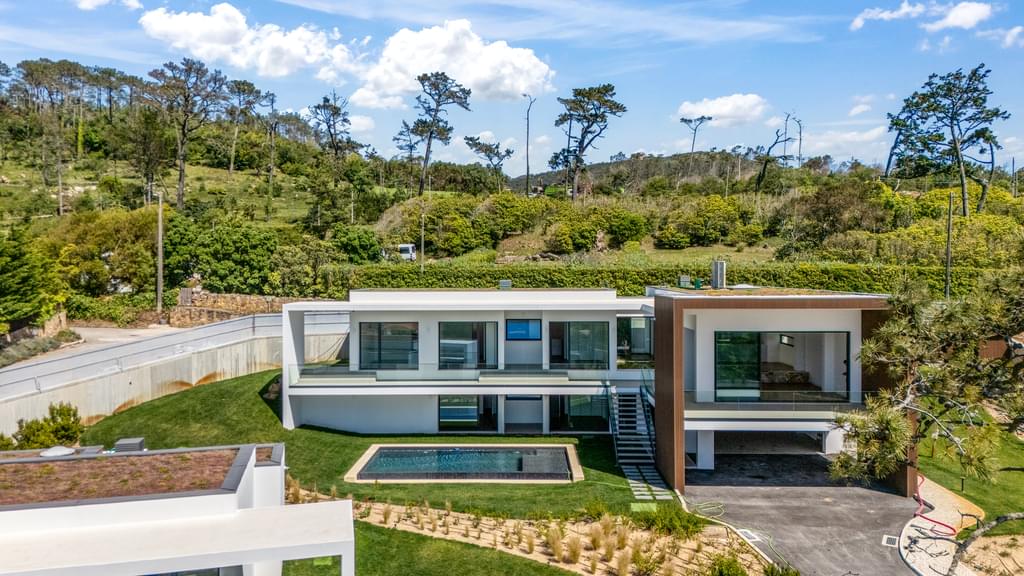
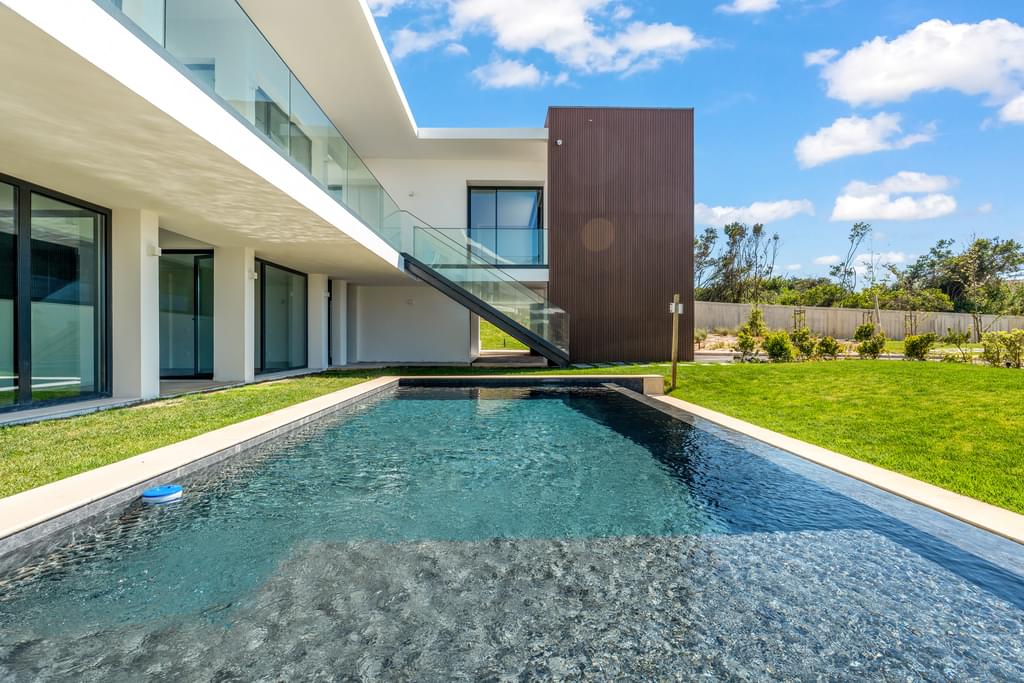
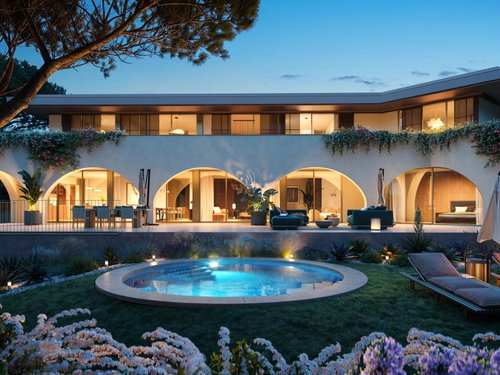
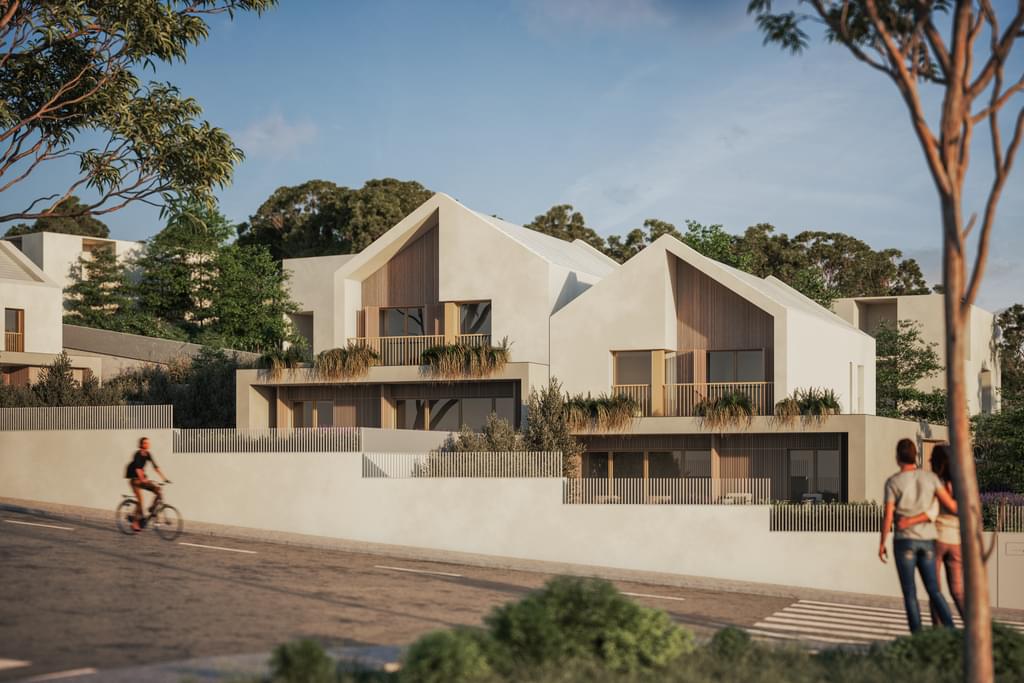
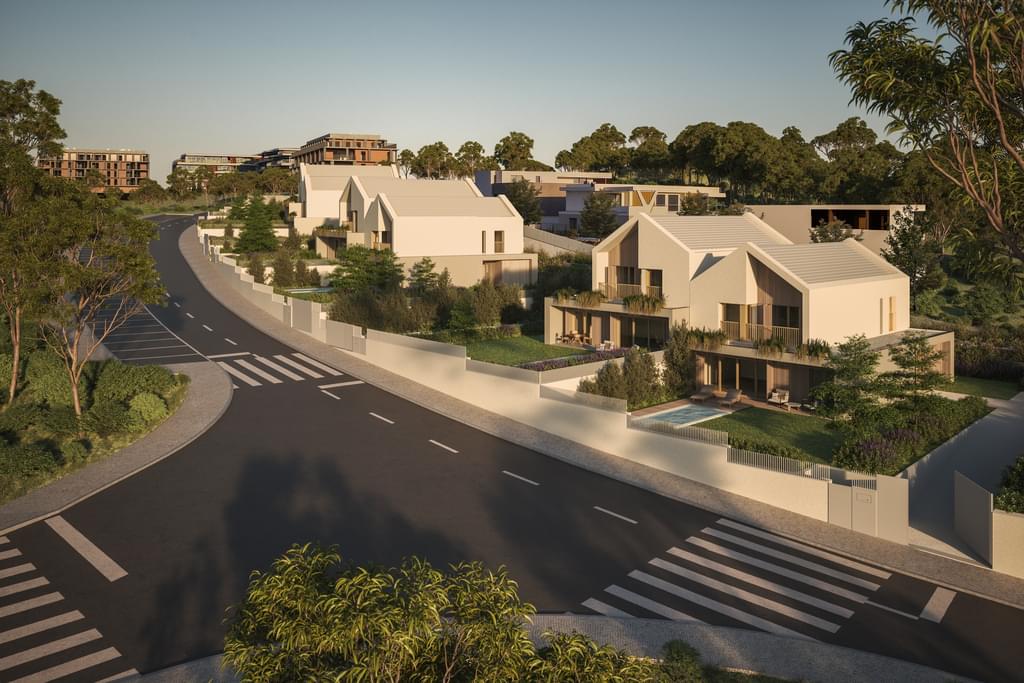
Detached villas in São Pedro de Sintra, Linhó, Beloura and Belas Clube de Campo, typically four-to-six bedrooms on 1,000-4,000 m² plots with pools, priced from €1.5 million to €8 million for gated-community stock.
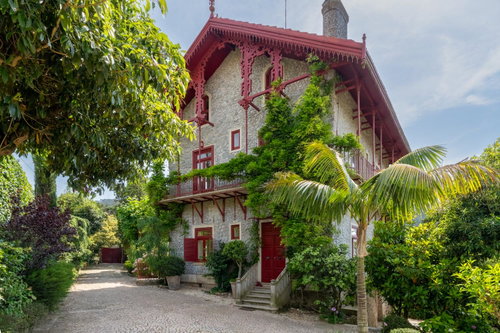
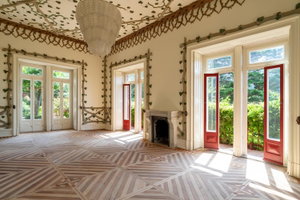
Historic quintas and palace conversions across Colares, Monserrate and the Serra, combining heritage architecture, mature gardens and often 2-10 hectare grounds, from €3 million to €25 million for trophy assets.
Restored traditional houses in Sintra old town, São Martinho and Colares village, typical three-to-four bedroom layouts with period features, suited to primary-residence buyers and boutique guesthouse projects.
Wine estates and agricultural quintas in the Colares DOC wine region, combining working vineyards with residential use on 5-20 hectare grounds, a format almost unique to the Sintra coast.
Fine Luxury Property operates as a heritage-focused real estate agency across the Sintra-Cascais axis, with dedicated brokers covering Sintra old town, Colares, Linhó, Beloura and Belas Clube de Campo. We work with restoration architects accredited by IPPAR and camara-approved contractors for listed-building interventions, and our English-, French- and Portuguese-speaking team coordinates NIF, IMT and natural-park-overlay due diligence for relocating families and collectors of historic property.
Sintra's cultural landscape has been UNESCO-listed since 1995, tightly constraining new-build permissions across the Serra and protecting existing historic stock. This structural supply ceiling underpins long-term price resilience in palace conversions, restored quintas and gated-community villas inside the protected zone.
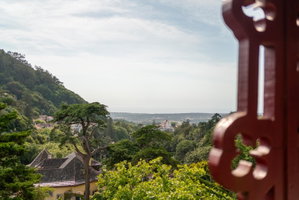
The Serra's granite ridge traps Atlantic moisture and produces a cooler, greener microclimate two to three degrees below Lisbon, with centuries-old camellia, fern and cedar gardens at Monserrate and Pena. The climate is a primary draw for buyers seeking escape from high-summer Algarve or Mediterranean heat.
TASIS Portugal is in Sintra itself, with SAIS, CAISL and Deutsche Schule within 15-20 minutes towards Cascais and Estoril. This concentration of English-, American- and German-curriculum schools makes Sintra a genuine family-relocation base rather than a weekend-only destination.
The CP Sintra line runs every 20 minutes into Rossio station in central Lisbon in roughly 40 minutes. By the IC19 and A37, Humberto Delgado Airport is a 25-35 minute drive. Sintra functions as a heritage-country base with genuine capital-city commutability, unmatched elsewhere in Portugal.
Large parts of Sintra sit inside the UNESCO buffer zone and the Sintra-Cascais natural park. Before any offer we map the specific overlays on a target property, including IPPAR listing status, Paisagem Cultural classification and permissible intervention levels, so the buyer understands renovation constraints from day one.
We organise a Portuguese tax number (NIF), a local bank account and, where needed, a power of attorney granted to a Sintra- or Lisbon-based advogado. Non-EU buyers appoint a fiscal representative at the same stage. The process typically completes inside ten working days including apostille translation.
Older quintas and palace conversions carry specific structural risks: granite moisture ingress, roof timber decay and 19th-century plumbing. A reservation fee holds the property while an accredited surveyor reviews the building and our legal team verifies Caderneta, Certidão Permanente, energy certificate and any listed-feature schedules.
The promissory contract is signed with a 10-20% deposit. For listed buildings we include suspensive conditions tied to camara consent for renovation works planned post-completion, and for Colares wine estates we verify the Parcelário and vine-register entries explicitly in the CPCV schedule.
At final deed the buyer settles IMT transfer tax (sliding 0-7.5%), 0.8% stamp duty and notary/registry fees of roughly 1-2%. Where the property sits inside a declared Area of Urban Rehabilitation (ARU), subsequent qualifying restoration works attract IMI exemptions and reduced IVA at 6%, which our team files on the buyer's behalf.
The supply of palace conversions, 18th and 19th-century quintas and Monserrate-era romantic-period villas is fixed at roughly the number built two centuries ago. New equivalents cannot be created. This makes Sintra one of the purest scarcity-driven luxury markets in Portugal, behaving more like a trophy art segment than a residential one.
Sintra's cooler microclimate, TASIS Portugal schooling and 40-minute train link to central Lisbon have converted the town from a weekend-retreat economy into a genuine primary-residence base for French, British, American and Brazilian families, lifting long-let demand and compressing peak-season vacancy.
The Colares DOC, Portugal's oldest demarcated wine region along the Atlantic sand soils, offers a rare wine-estate ownership format within 40 minutes of Lisbon. Working vineyards combine residential, agricultural and small-scale wine-tourism income in a way that standalone villas cannot replicate.
Sintra heritage stock trades at €4,500-€9,000 per square metre against €7,500-€13,000 for equivalent prime Lisbon apartments, despite offering larger plots, period features and UNESCO listing. This spread has historically compressed during expansion phases, supporting a multi-year catch-up thesis for buyers with patient capital.
Historic quintas and palace conversions in Sintra typically trade at €4,500-€9,000 per square metre, or €2 million to €15 million for a substantial estate with grounds. Belas Clube de Campo gated villas run €4,000-€7,000 per square metre. Beloura and Linhó family villas sit at €3,800-€6,500 per square metre, generally €1.5-€4 million for a four-to-five bedroom home with pool. Sintra old-town restored houses trade at €4,000-€6,500 per square metre. Trophy palace conversions regularly exceed €20 million.
São Pedro de Sintra and Sintra old town deliver heritage quintas and palace conversions with direct UNESCO context. Belas Clube de Campo is the principal gated community, with a Rocky Roquemore golf course and 24-hour security, 20 minutes south of the Serra. Beloura and Linhó are family-residential zones close to TASIS Portugal. Colares offers Atlantic wine-country estates within the DOC. Monserrate and the Serra itself are trophy-only, with fewer than a dozen transactable assets per decade.
Sintra sits 25 km northwest of central Lisbon. The CP Sintra commuter train runs every 20 minutes from Sintra station into Rossio in central Lisbon in roughly 40 minutes. By the IC19 motorway, Avenida da Liberdade is 25-40 minutes depending on traffic and Humberto Delgado Airport is 25-35 minutes. Cascais is 15-25 minutes via the A16. This combination of UNESCO heritage with genuine 40-minute capital-city commutability is unmatched elsewhere in Portugal.
Yes. Sintra's cultural landscape is UNESCO-listed, and individual palaces, quintas and some houses carry IPPAR classification. Alterations to listed façades, roof profiles, interior ornamentation and protected garden features require camara and DGPC consent, with full restoration architect filings. Parts of the municipality also fall inside the Sintra-Cascais natural park, adding environmental overlays. Our due diligence maps these constraints before reservation and we work with accredited restoration architects for listed-building interventions.
Short-let Alojamento Local in Sintra old town, supported by 3.5 million annual visitors to Pena Palace and Quinta da Regaleira, typically delivers 5-6.5% gross yields. Beloura family villa long-lets run 3.5-4.5% gross. Belas Clube de Campo gated villas trade at lower yields (3-4% gross) given higher entry prices. Colares quinta short-lets reach 4-5.5% gross during the April-October peak season. Our team confirms AL licensing status property-by-property, as the municipality has tightened some zones.
Sintra enjoys a distinctive microclimate driven by the Serra de Sintra granite ridge, which traps Atlantic moisture and moderates summer heat. Summer highs average 24-28°C, typically two to three degrees cooler than Lisbon. The Serra supports centuries-old camellia, fern and cedar gardens at Monserrate, Pena and Regaleira. Winters are mild, averaging 8-15°C, with more rainfall than Lisbon due to orographic precipitation. This cooler, greener microclimate is a primary buyer draw versus the Algarve or inland Alentejo.
Total closing costs in Sintra run about 7-10% of the purchase price. IMT transfer tax is charged on a sliding 0-7.5% scale, with second homes from abroad typically paying the upper tier. Stamp duty is 0.8%. Notary and Conservatória do Registo Predial fees add 1-2%. Legal fees run roughly 1% plus VAT. Inside declared Areas of Urban Rehabilitation, qualifying restoration works attract IMI municipal-tax exemptions and reduced 6% IVA. Annual IMI is 0.3-0.45% of the rateable value.
Yes. Sintra's UNESCO overlays, natural-park zoning, IPPAR listings and Colares DOC wine-register constraints make local, AMI-licensed representation essential. An independent Portuguese advogado, separate from the agent, verifies title, listing schedules and camara consents, then drafts the promissory and final contracts. Fine Luxury Property works with English-, French- and Portuguese-speaking lawyers in Sintra and Lisbon and coordinates restoration architects where the property is listed or within the UNESCO buffer zone.
Serving international clients in Sintra. Expertise in historic preservation, new developments, and investment properties across all neighborhoods.
Before you go
Tell us what you have in mind — a location, a budget, a type of home — and a member of our team will come back to you personally. No obligation.
A member of our team will be in touch with you shortly.