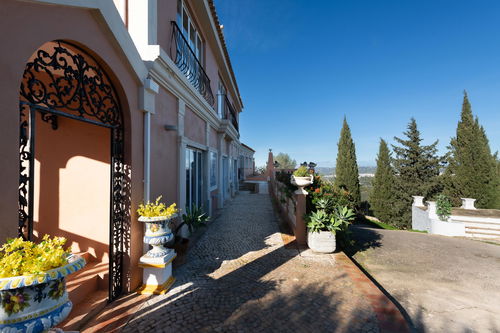
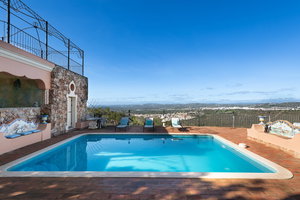
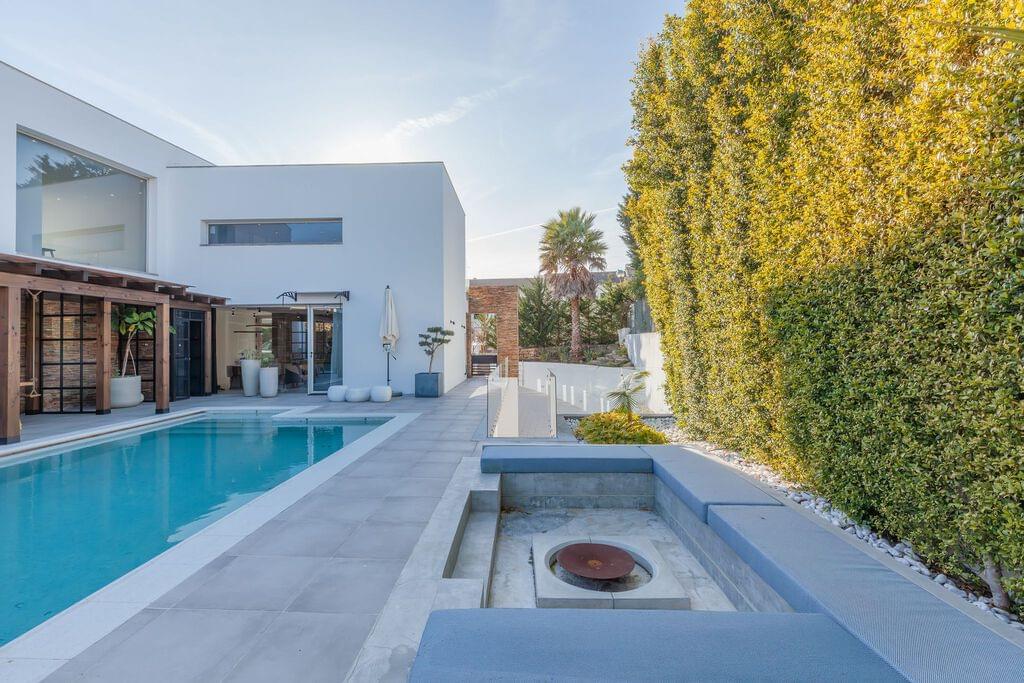
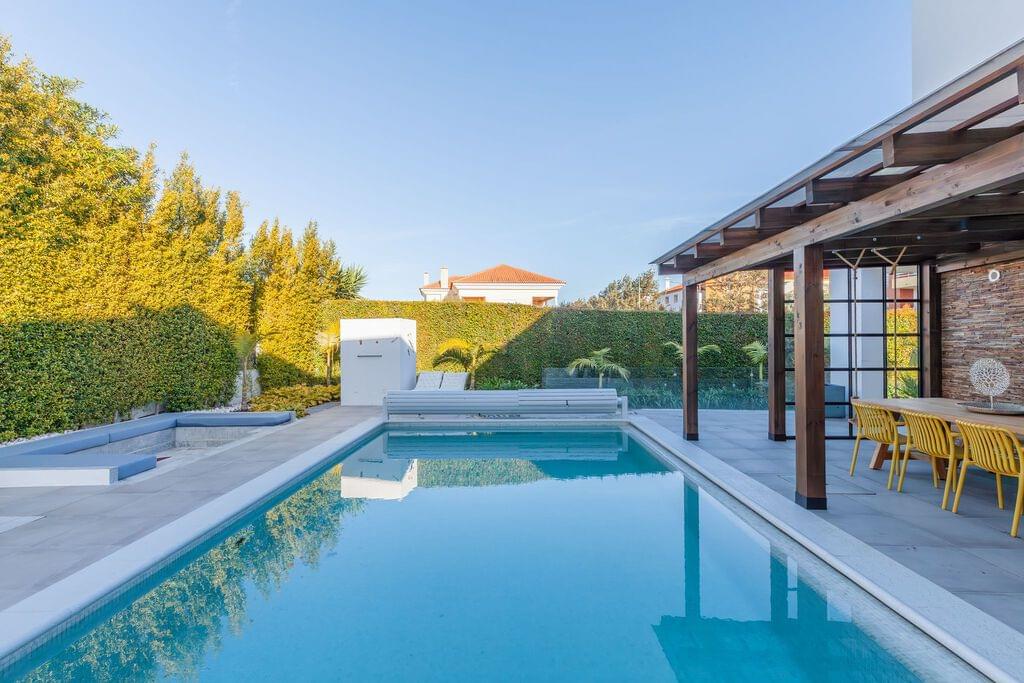
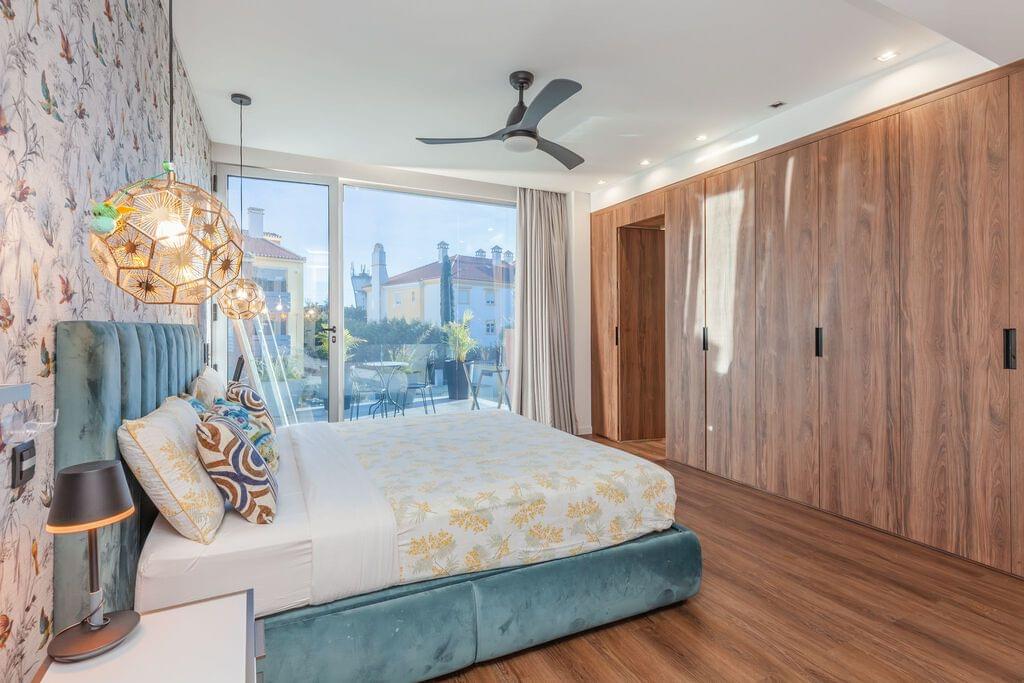
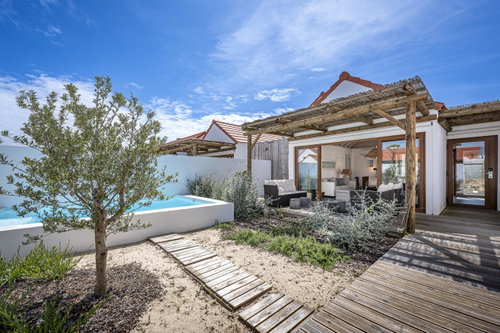
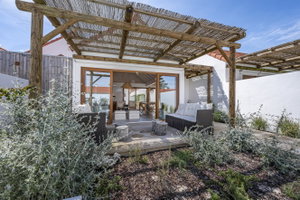
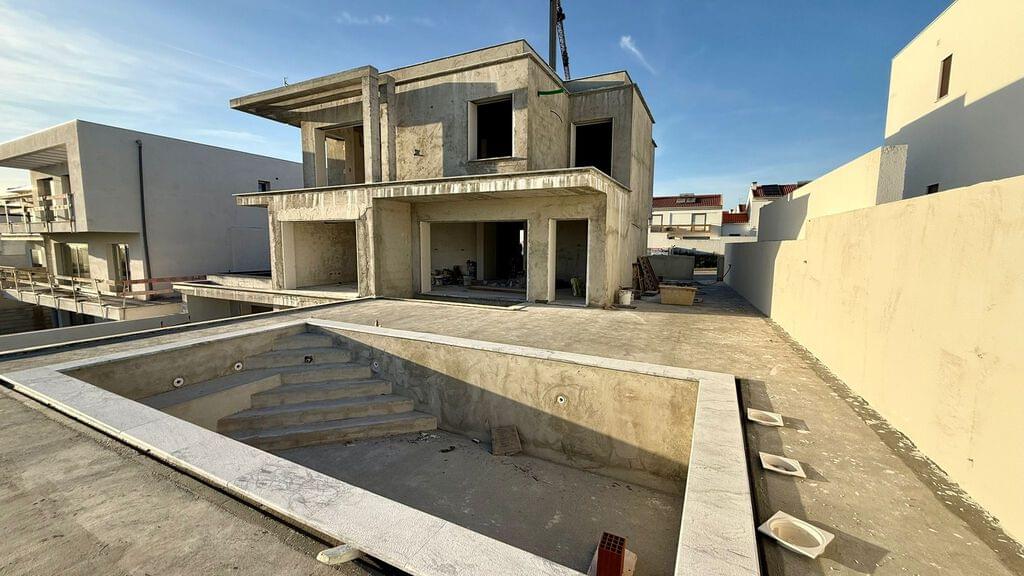
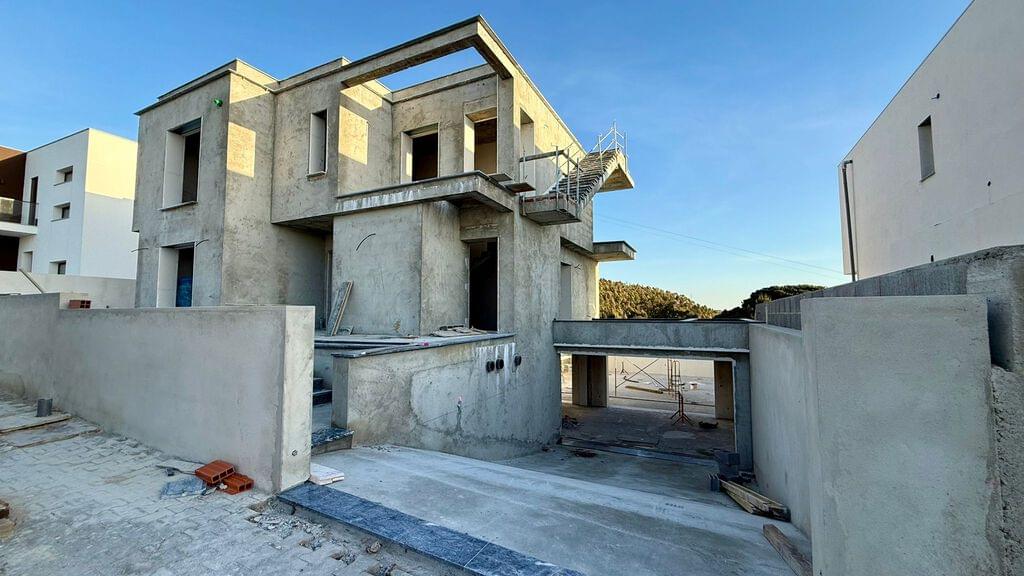
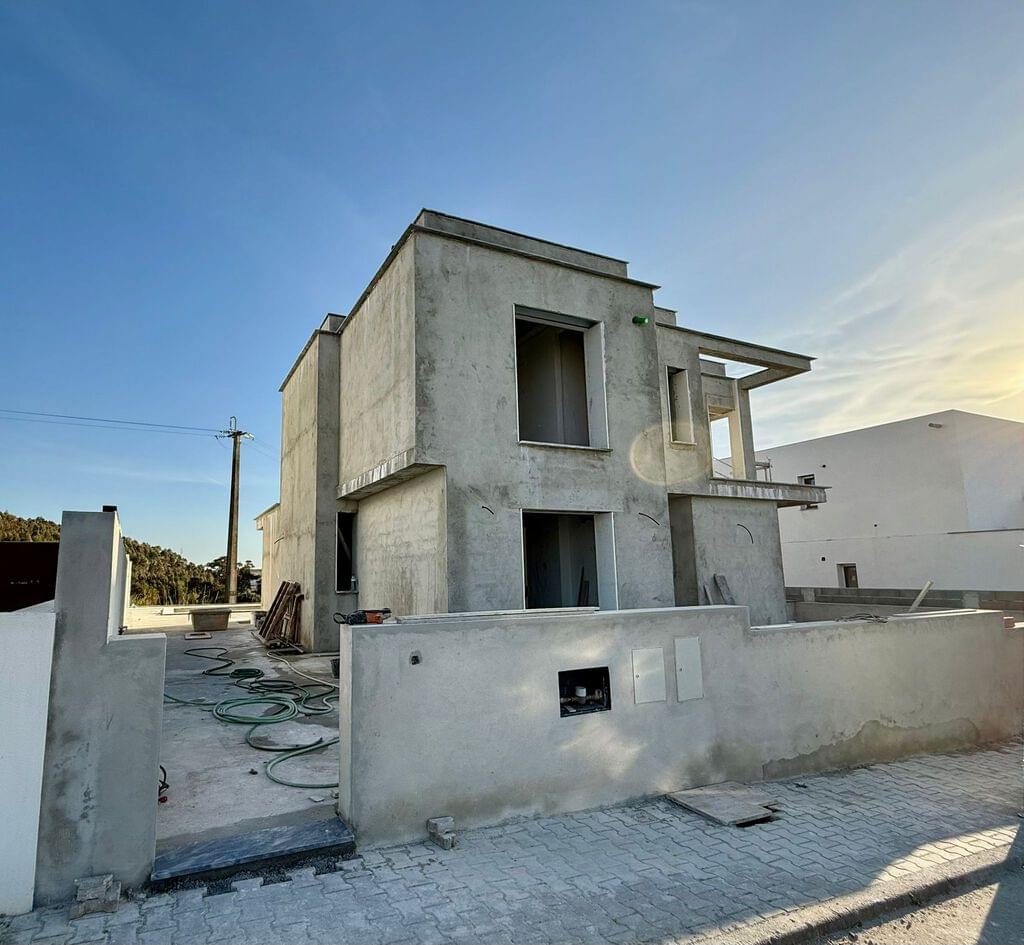
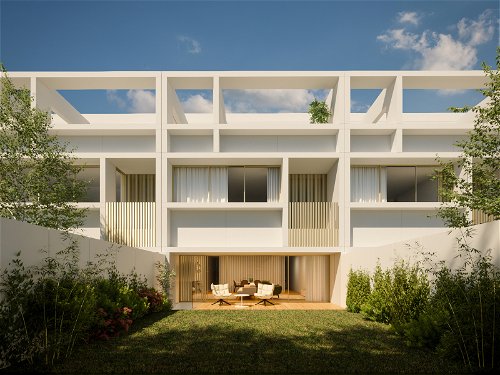
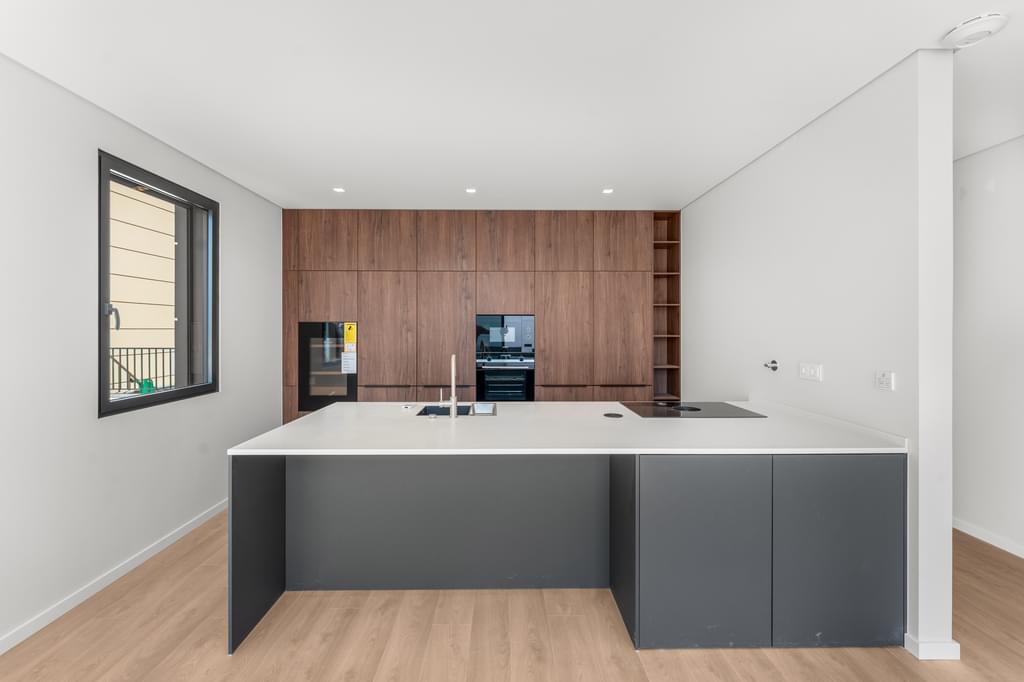
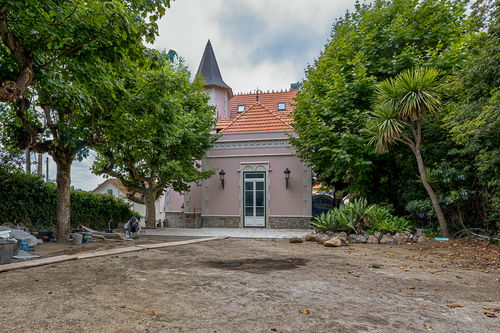
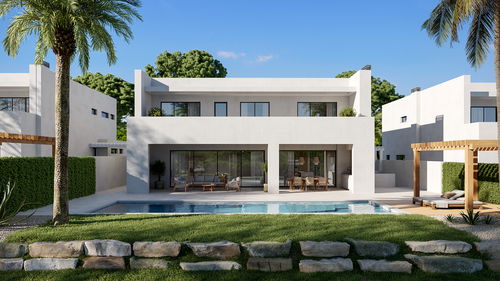
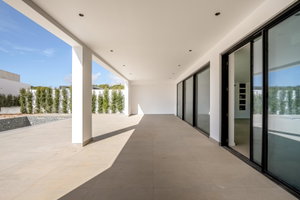
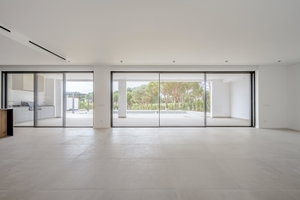
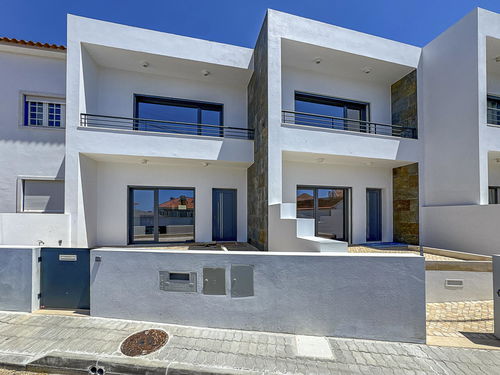
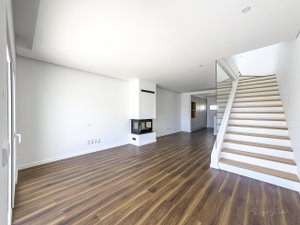
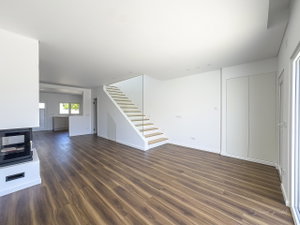
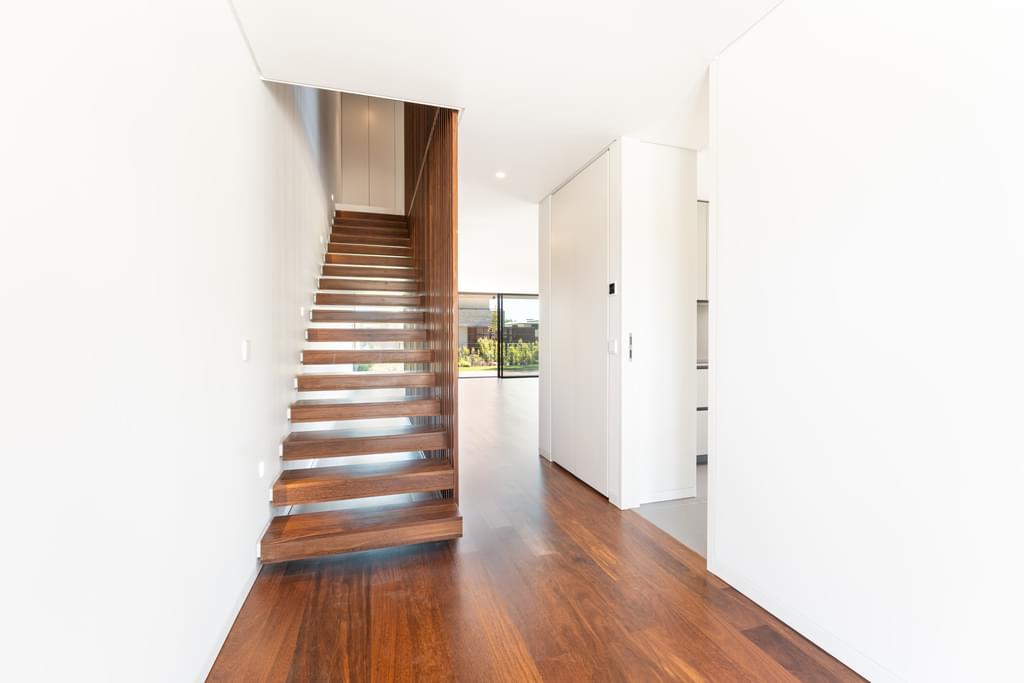
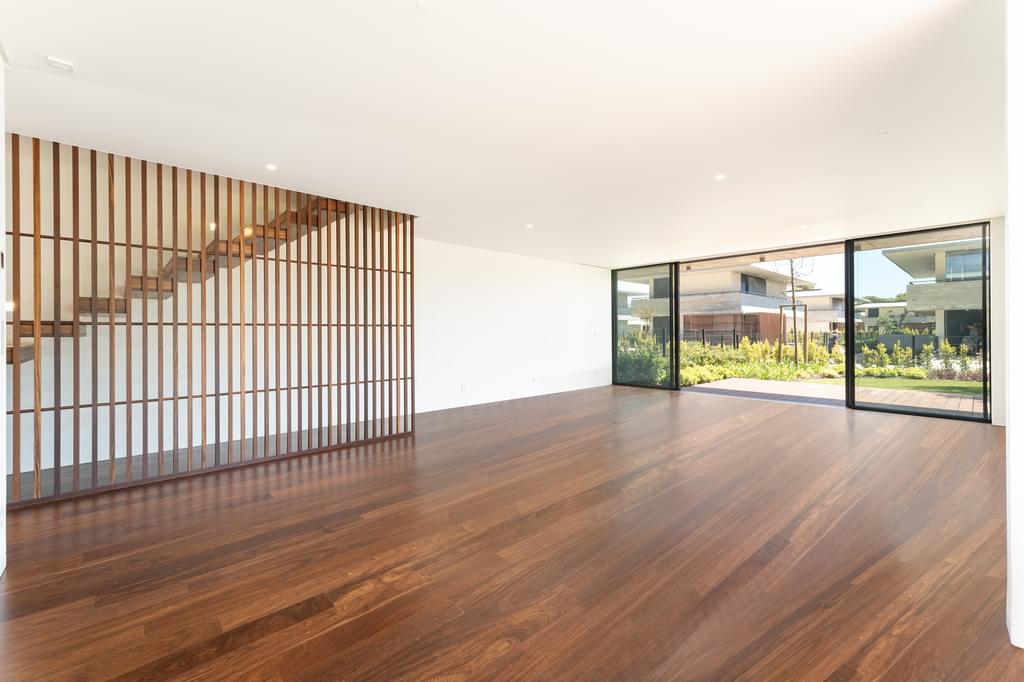
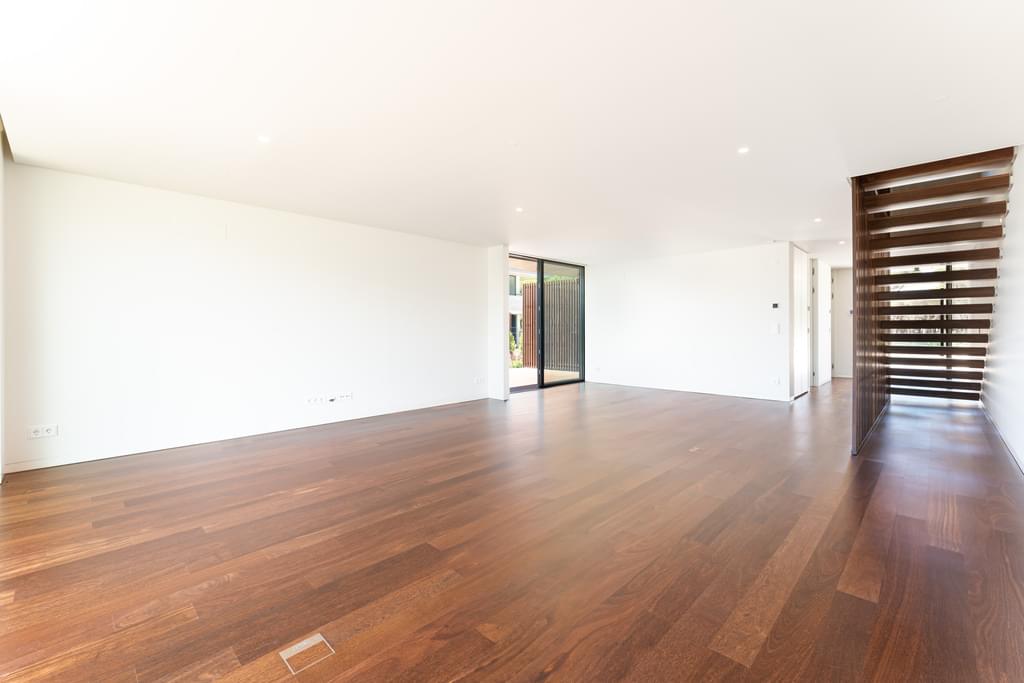
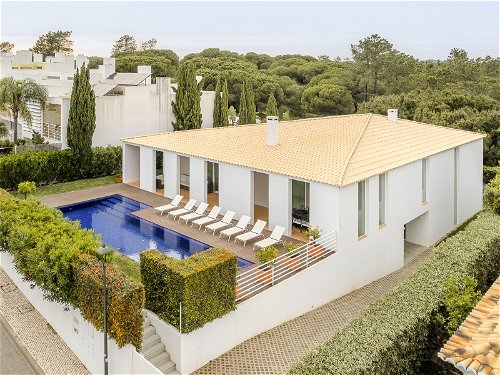
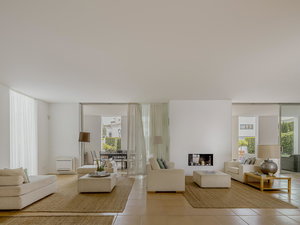
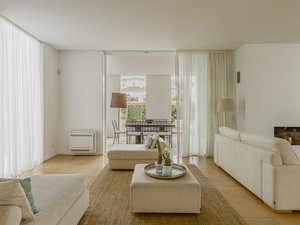
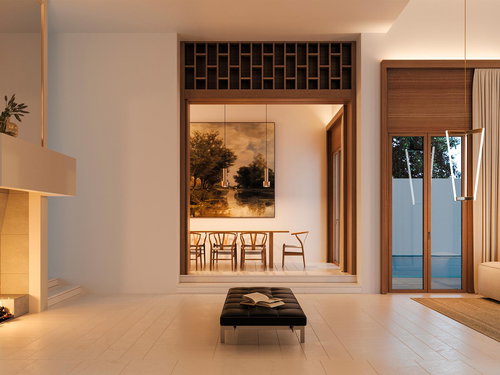
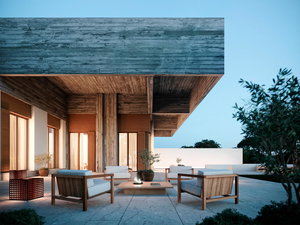
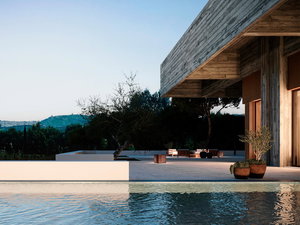
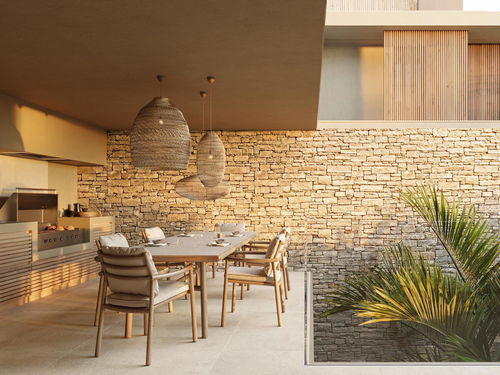
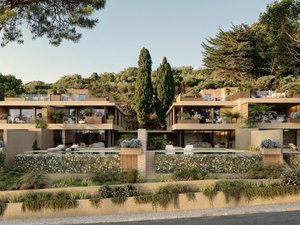
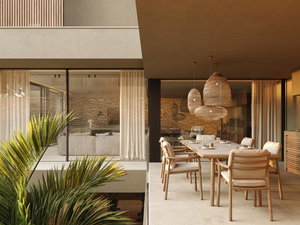
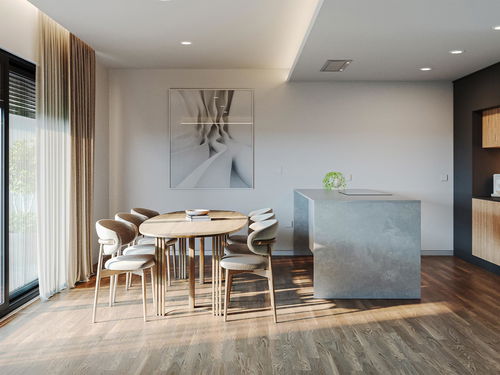
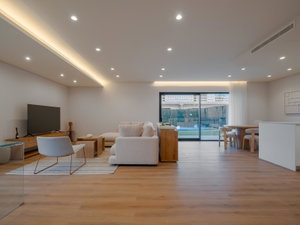
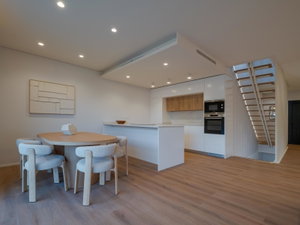
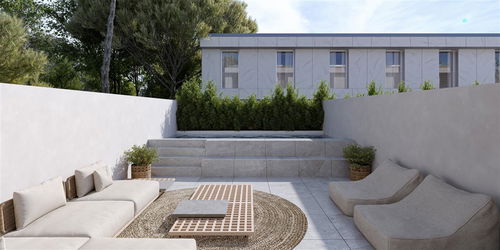
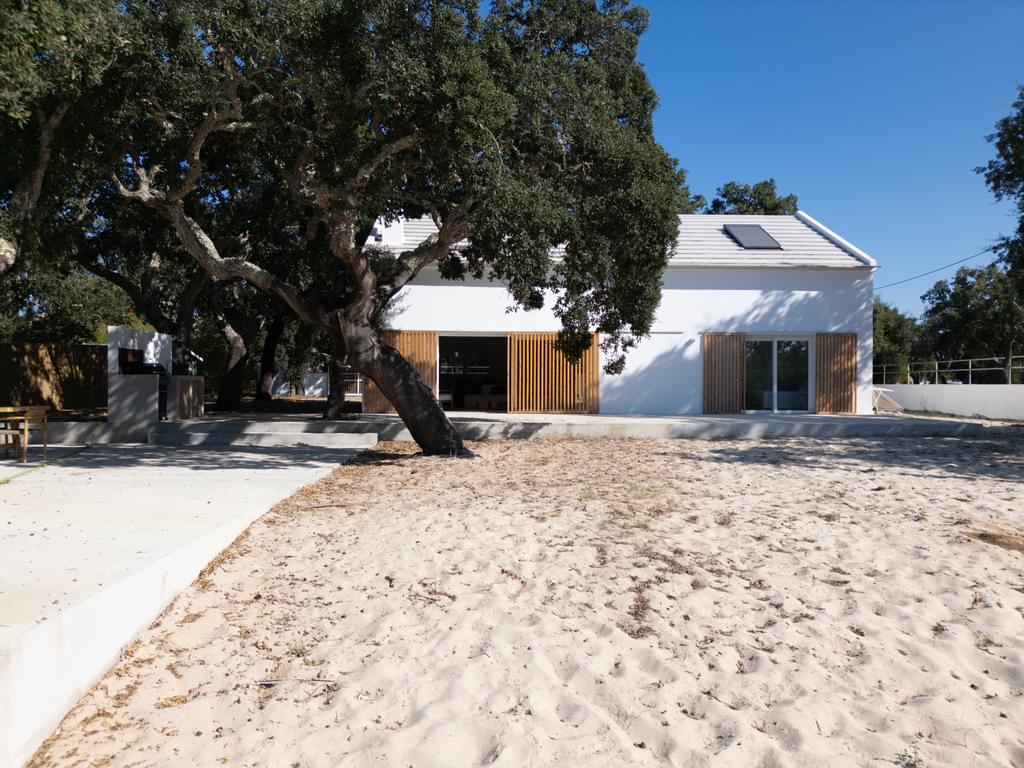
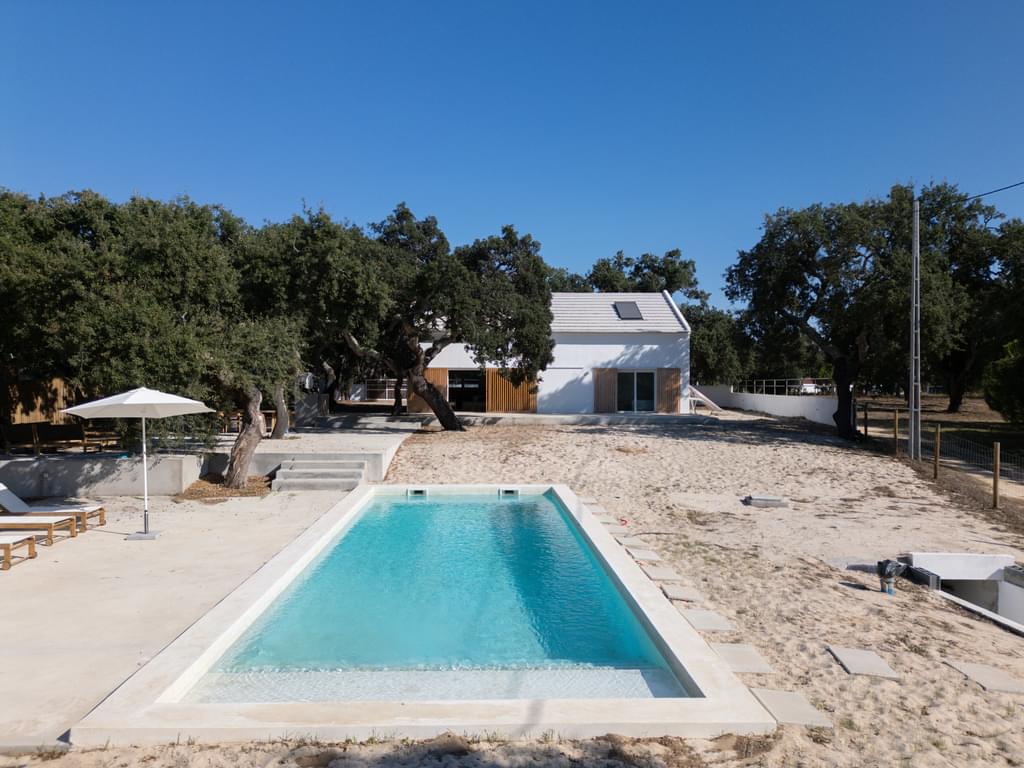
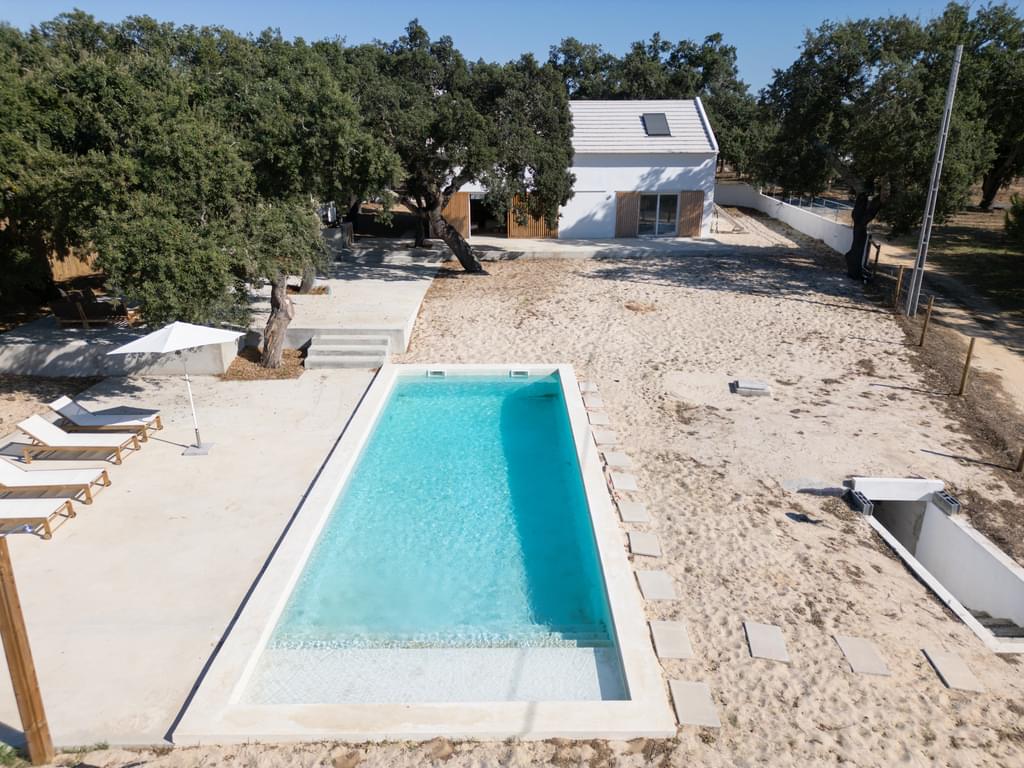
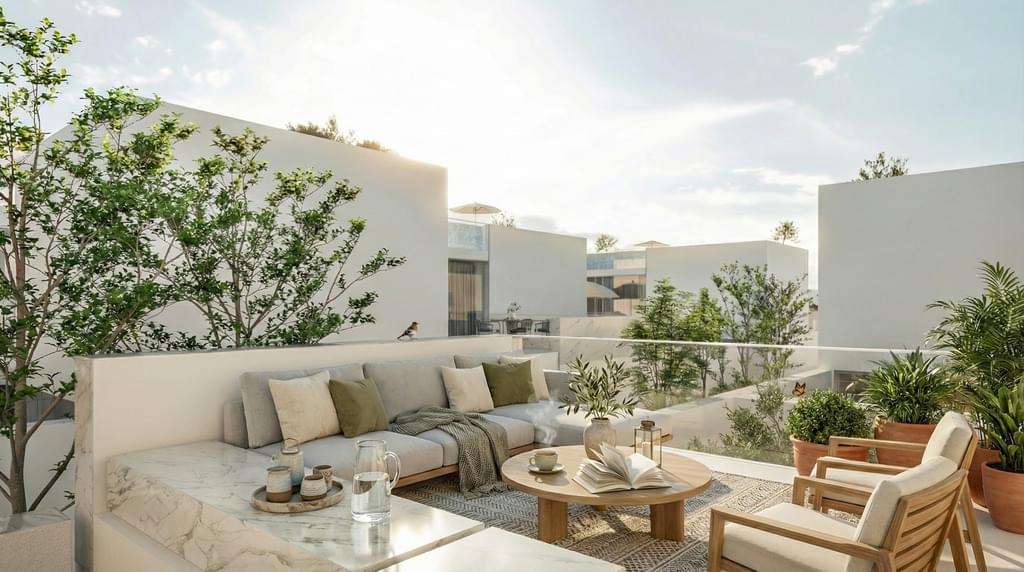
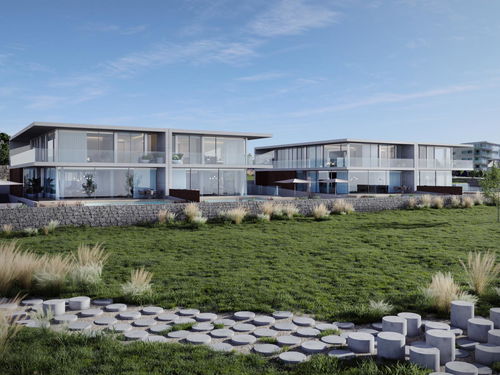
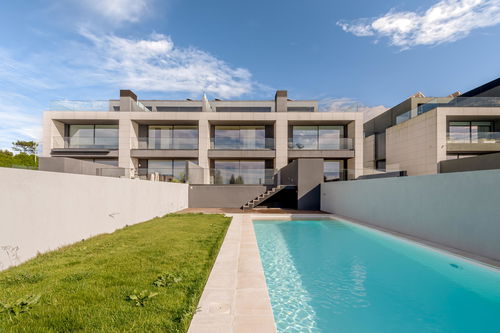
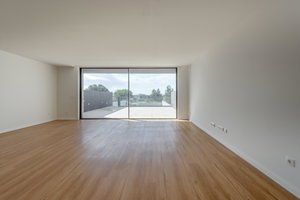
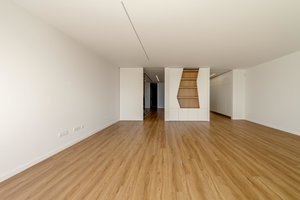
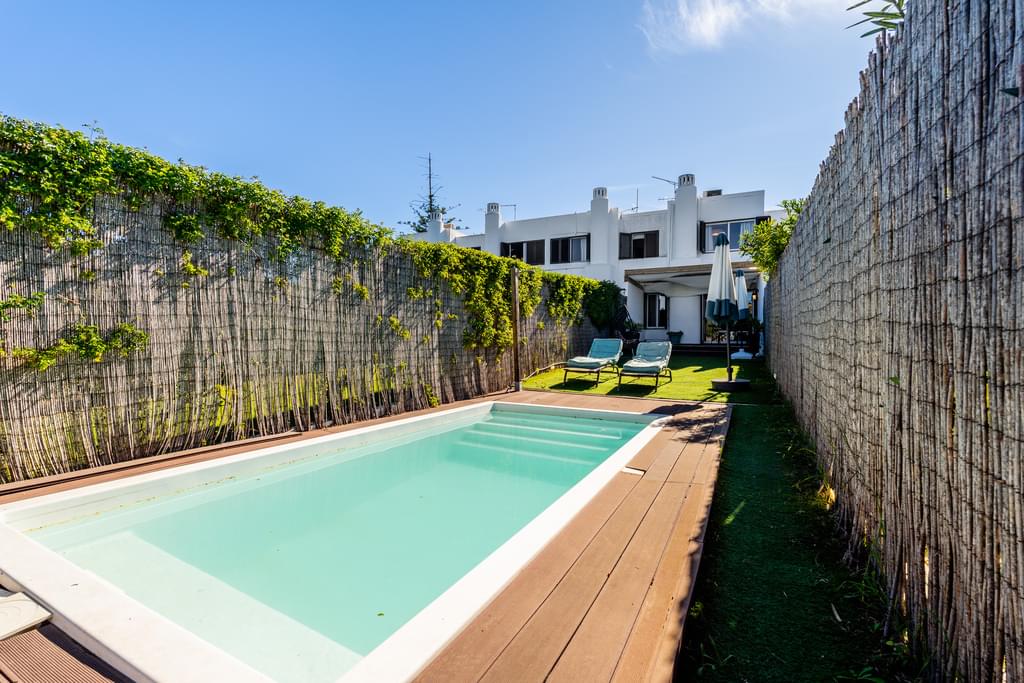
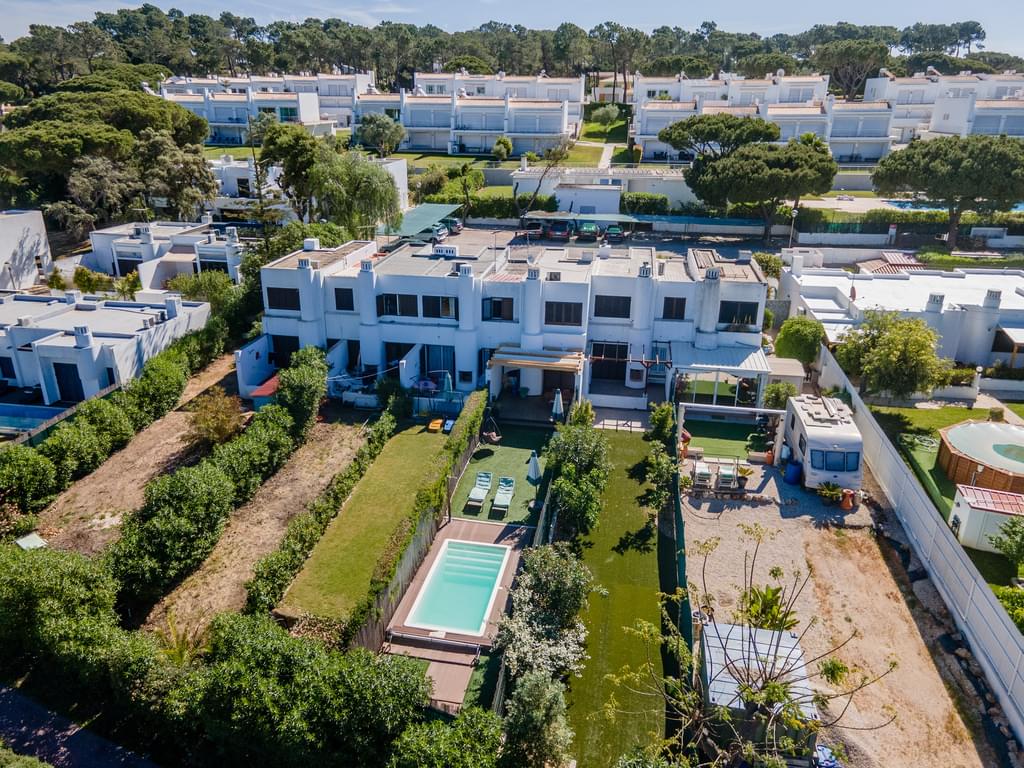
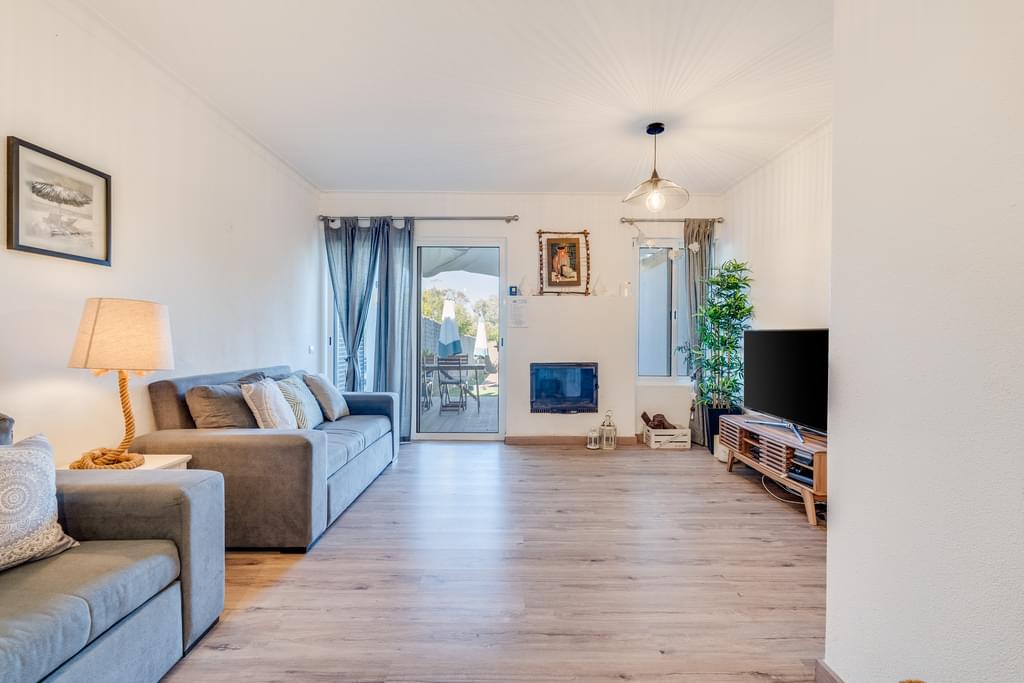
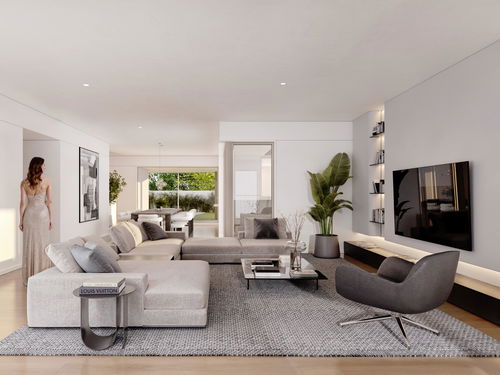
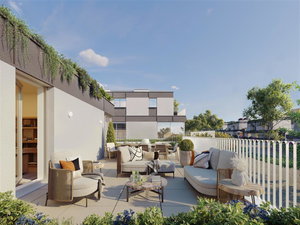
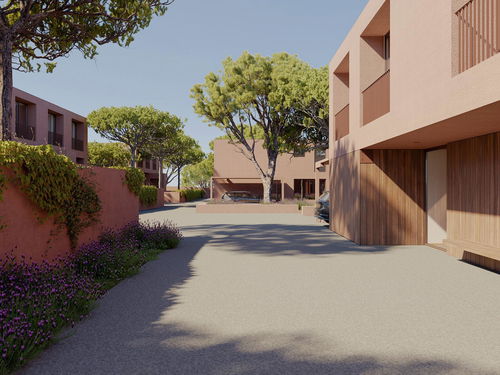
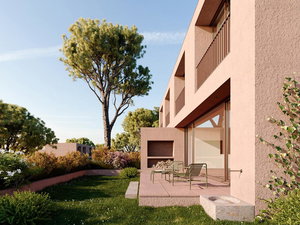
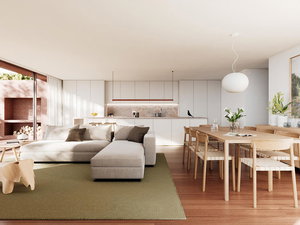
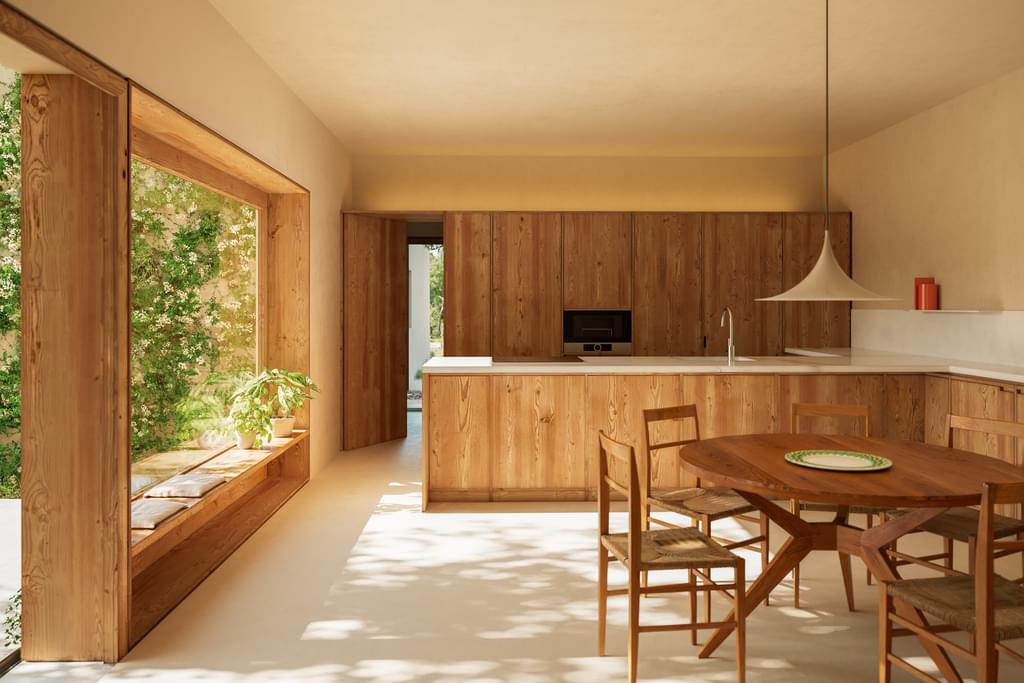
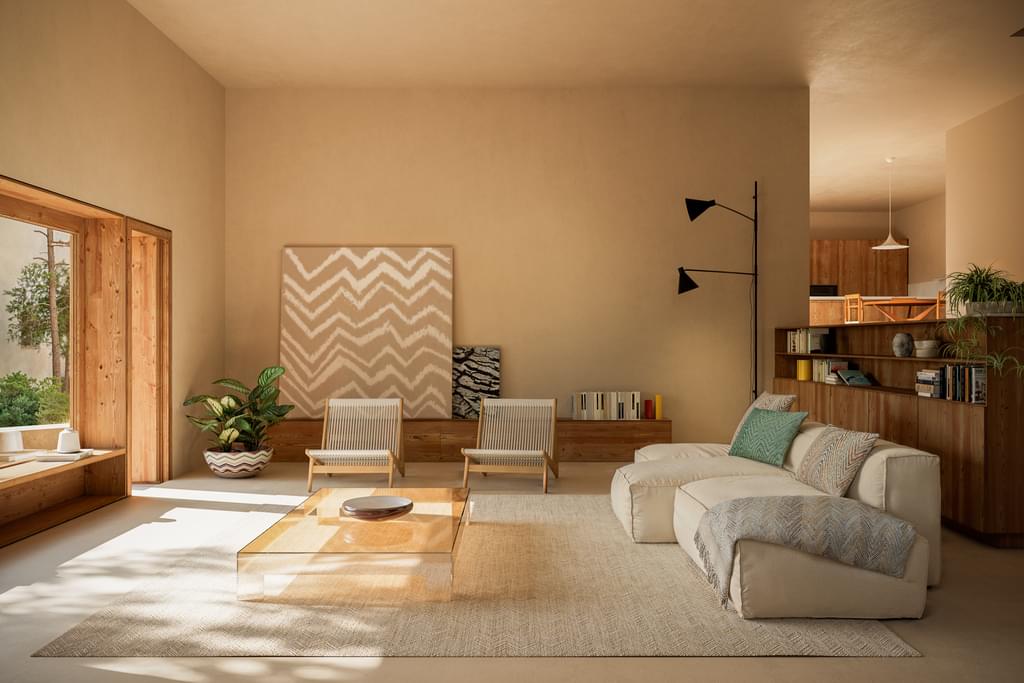
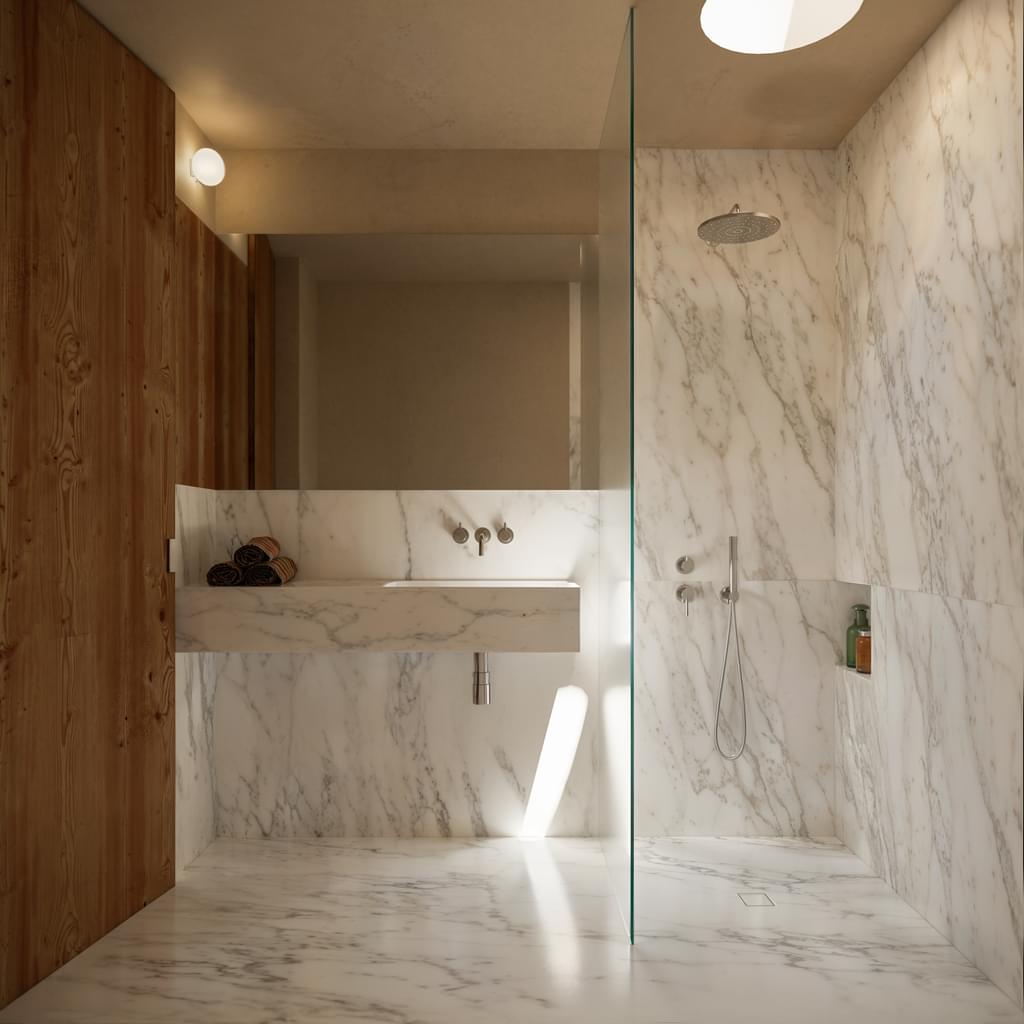
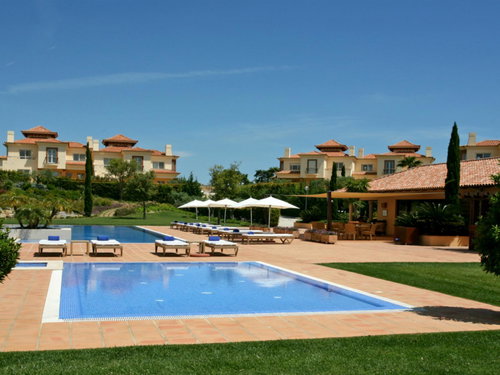
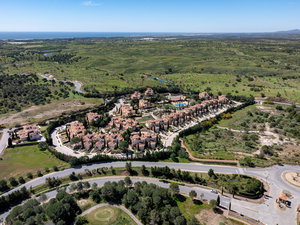
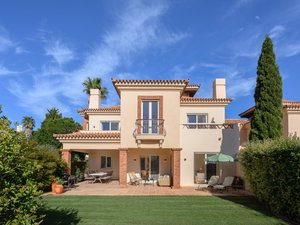
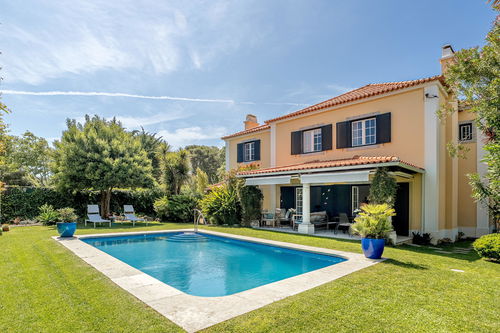
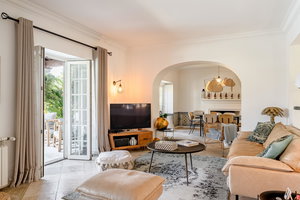
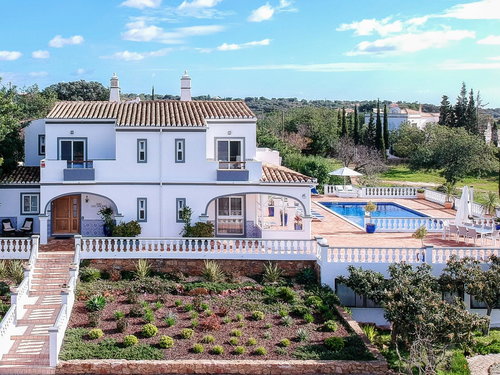
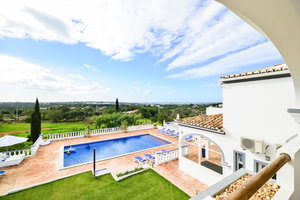
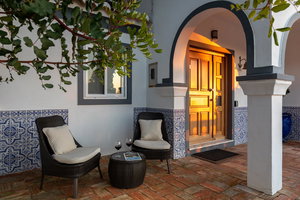
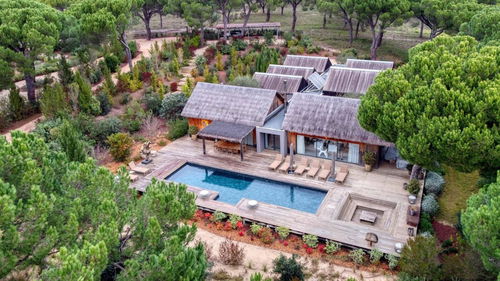
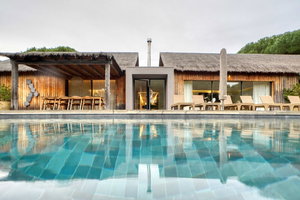
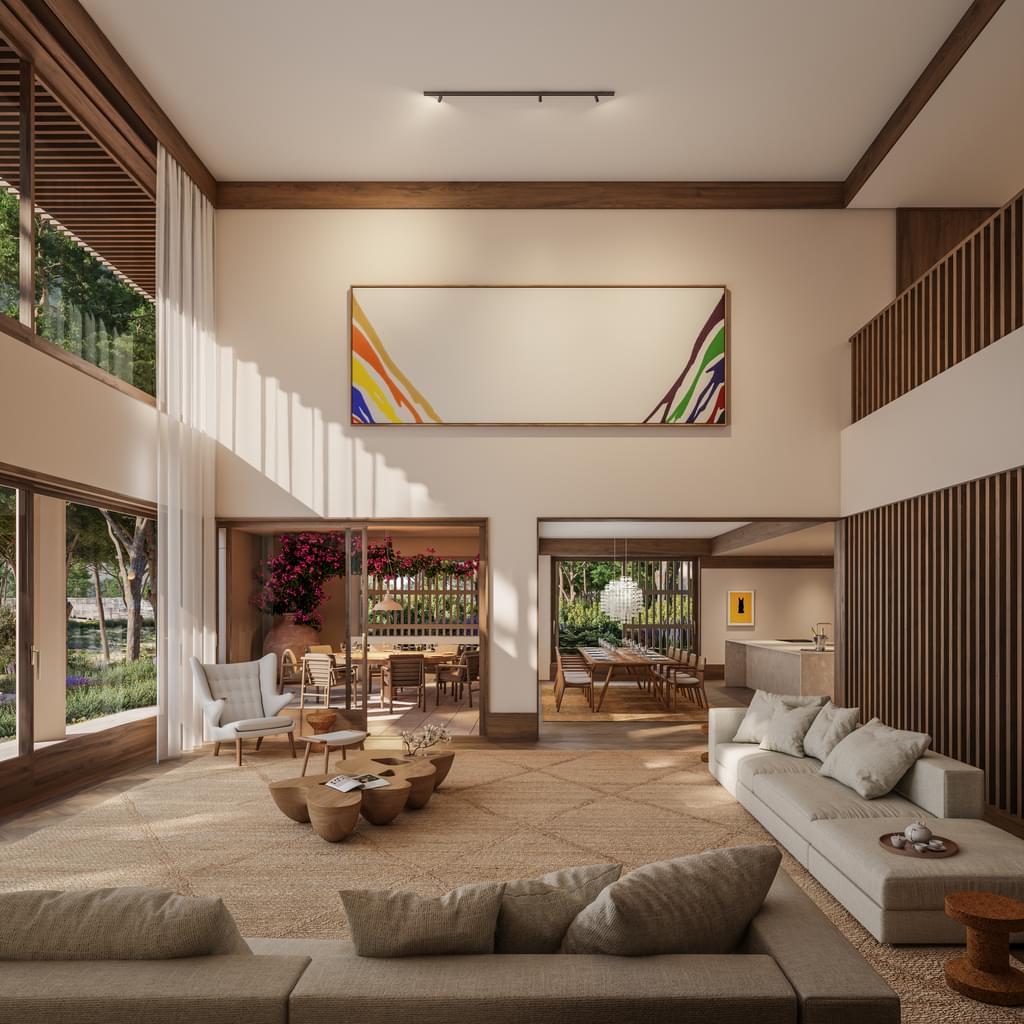
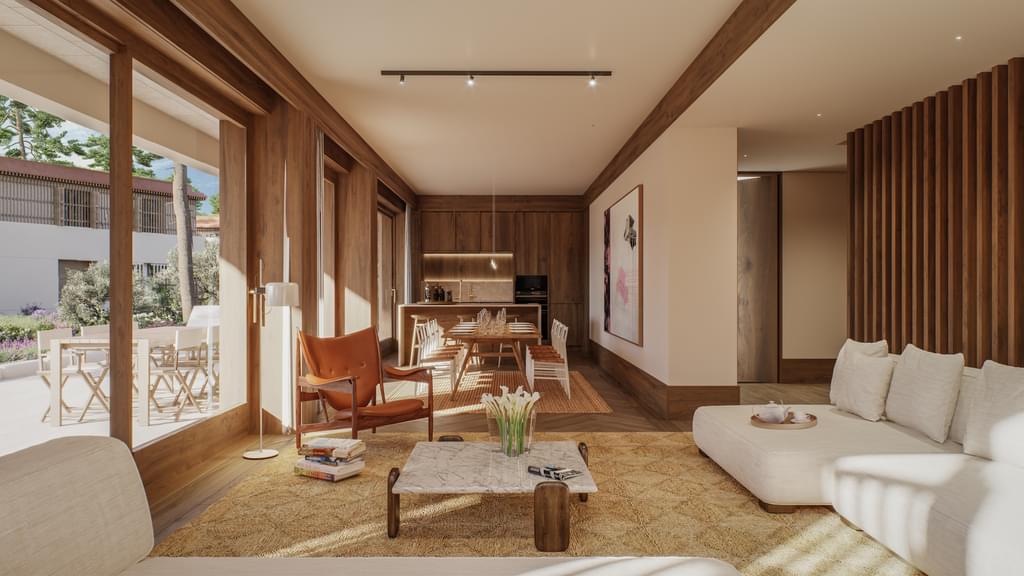
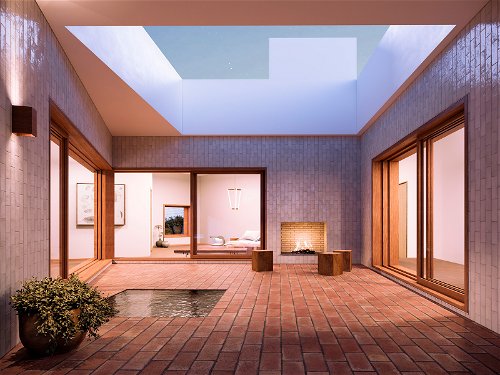
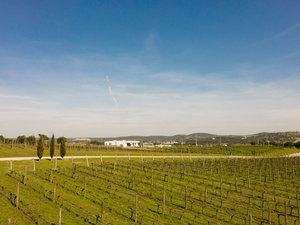
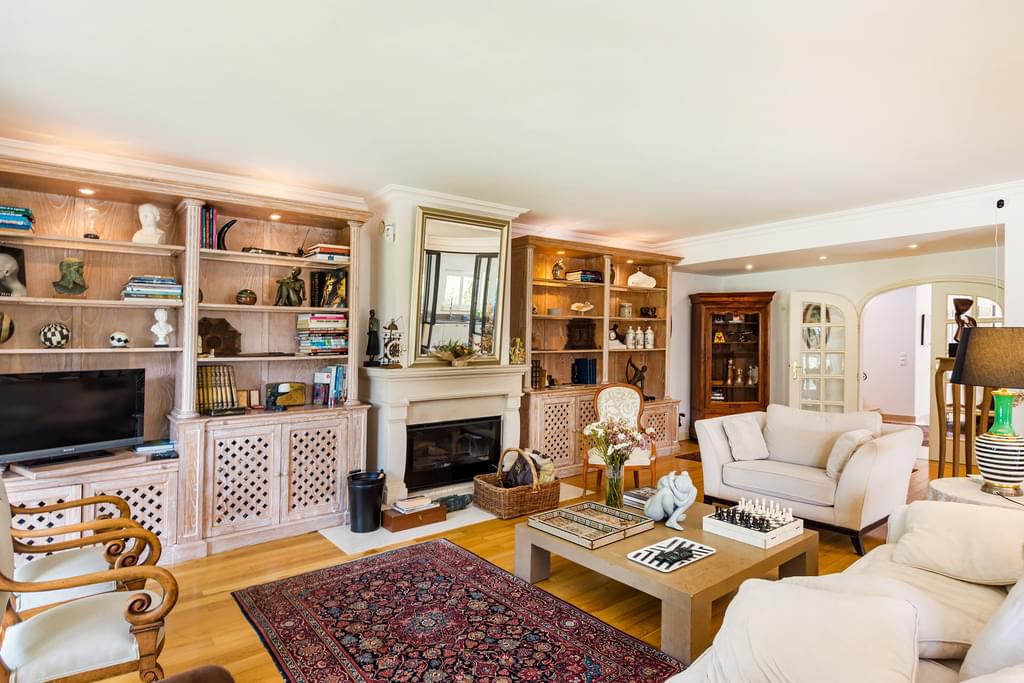
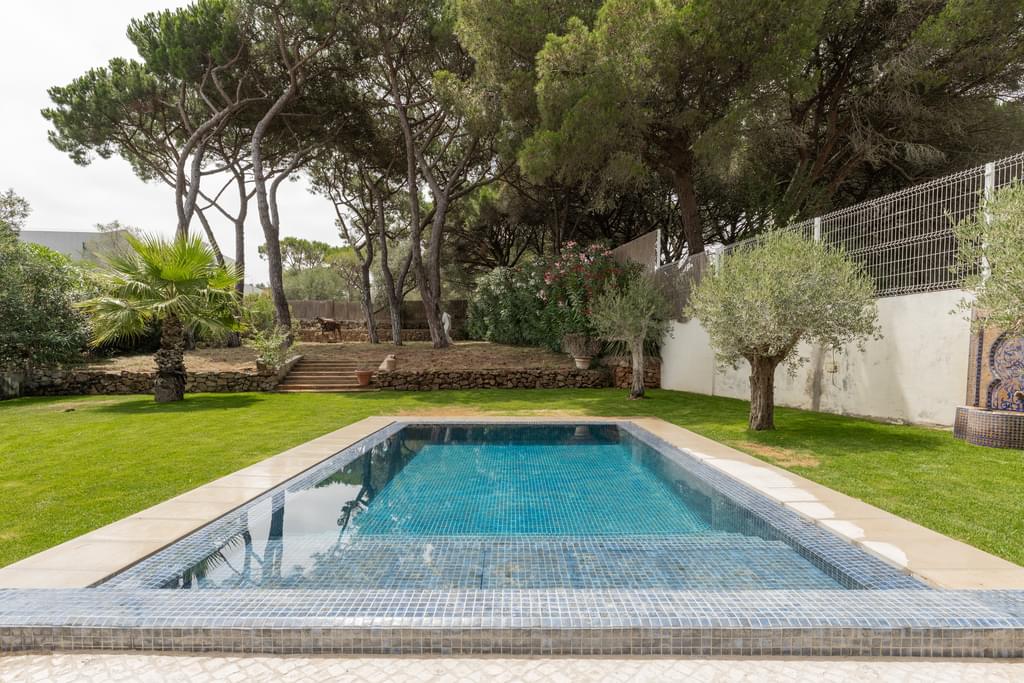
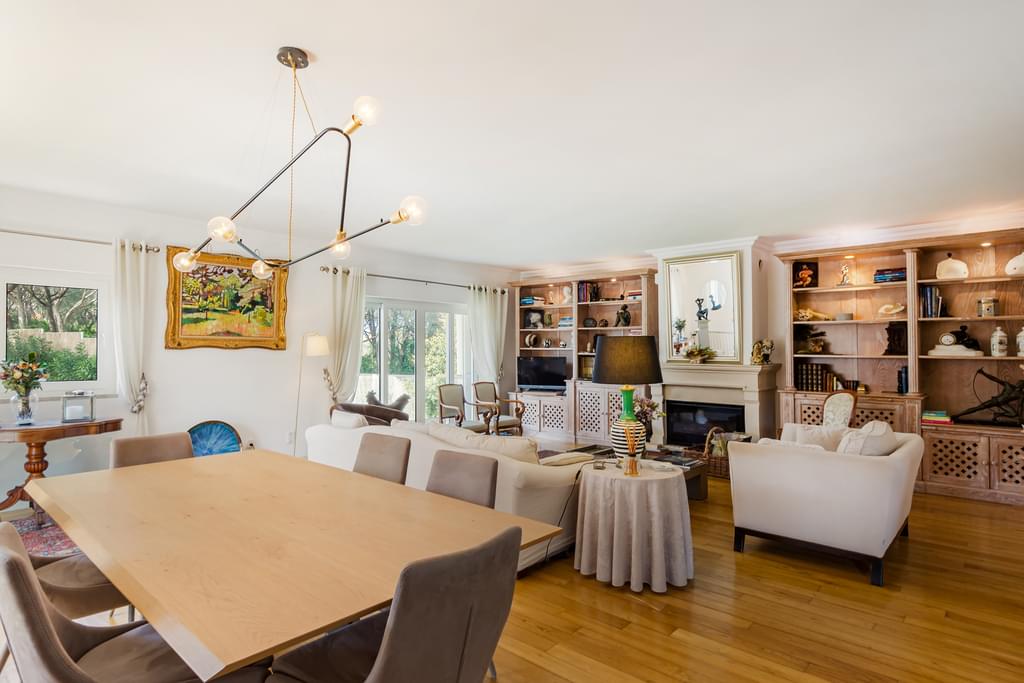
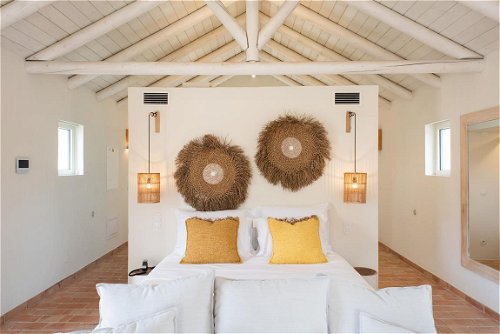
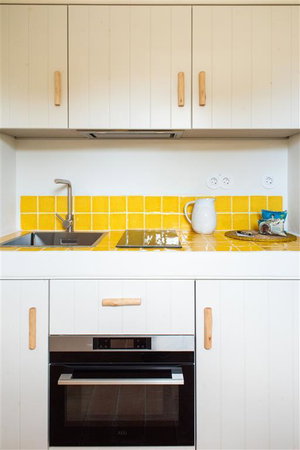
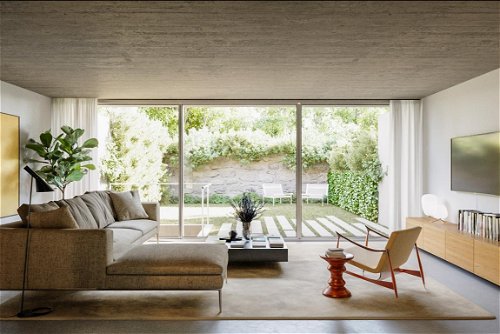
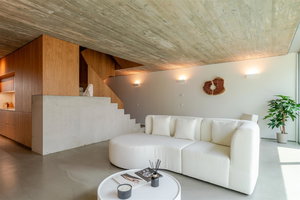
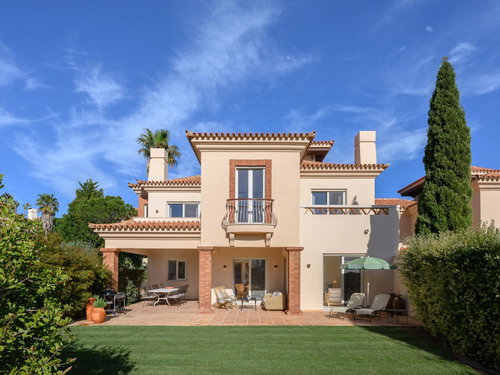
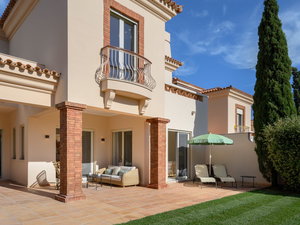
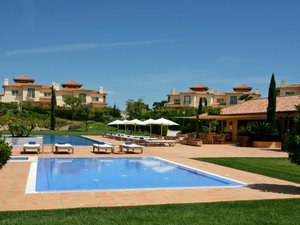
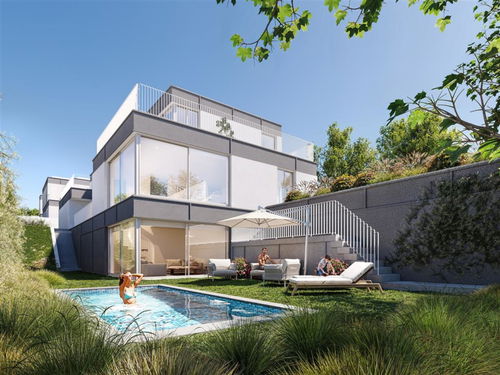
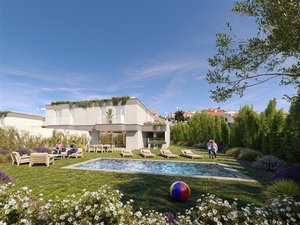
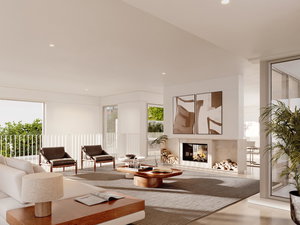
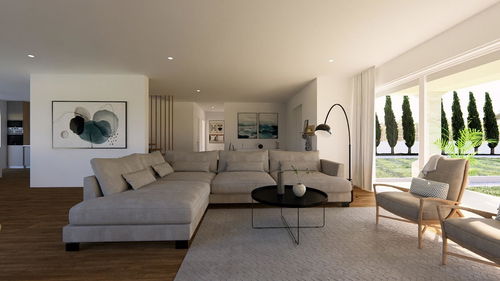
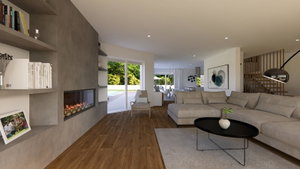
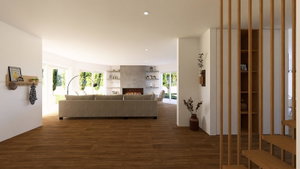
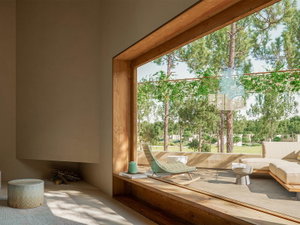
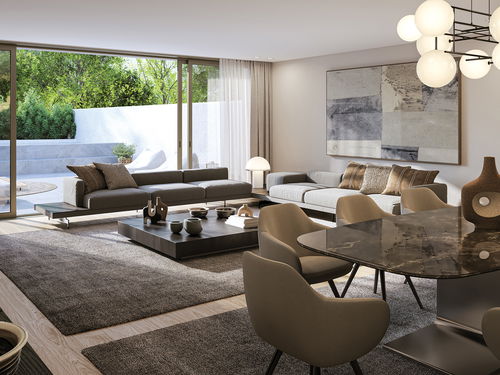
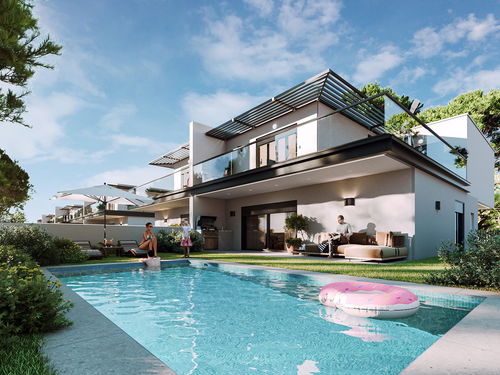
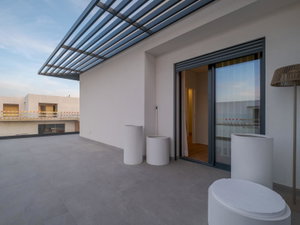
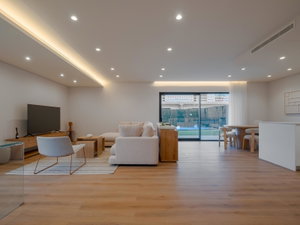
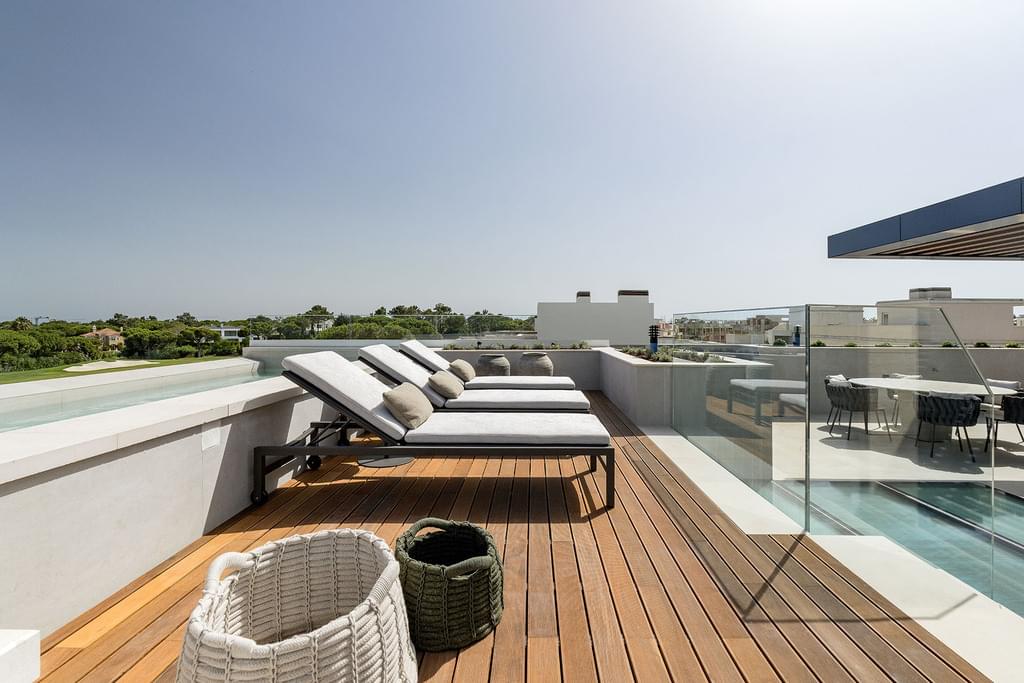
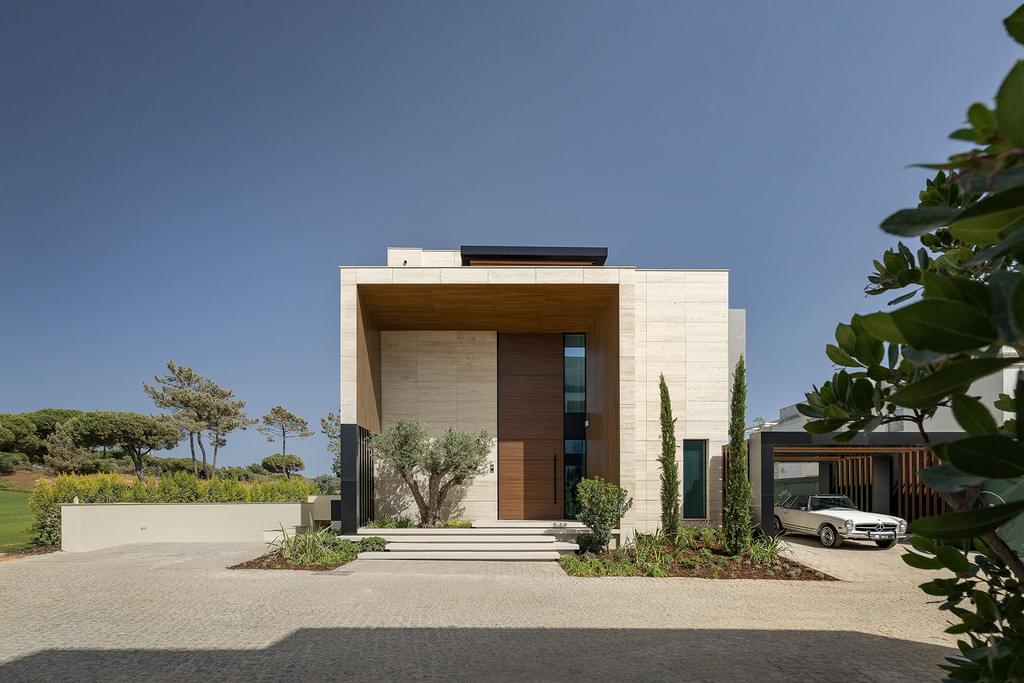
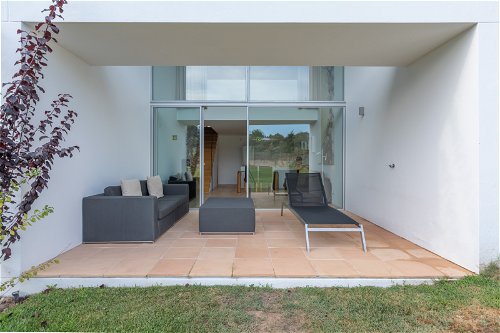
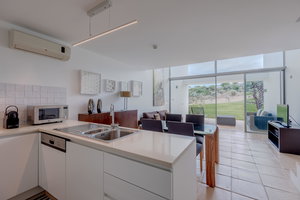
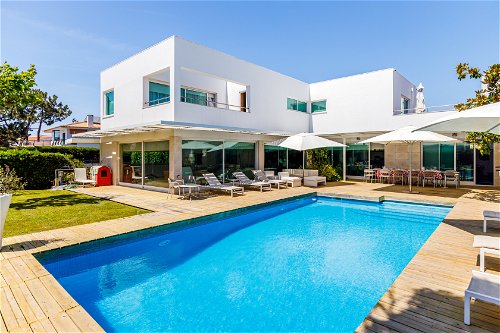
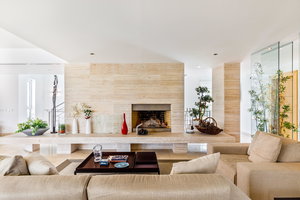
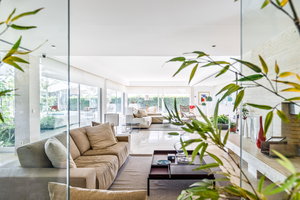
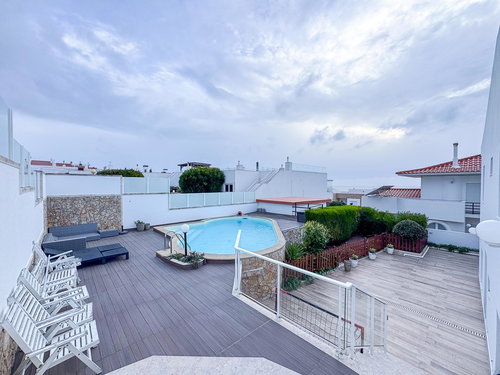
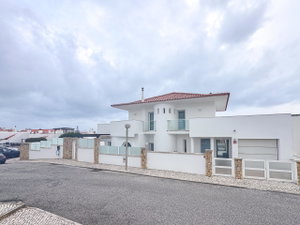
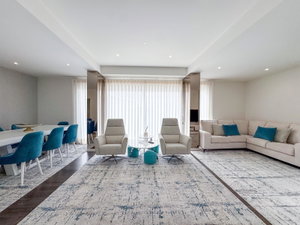
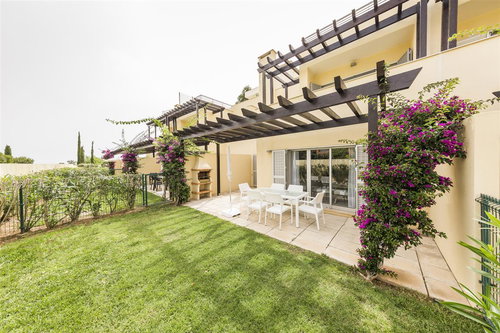
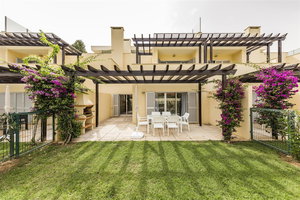
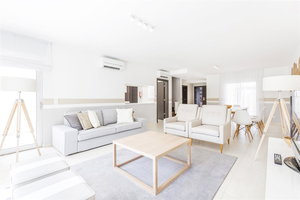
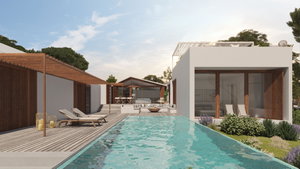
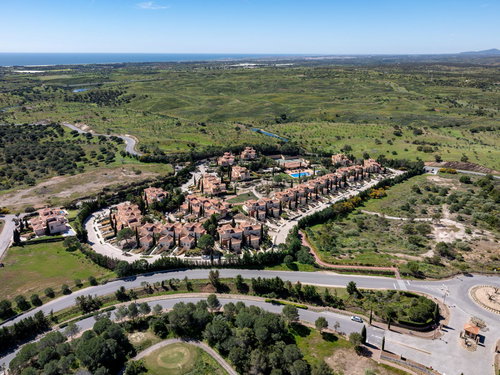
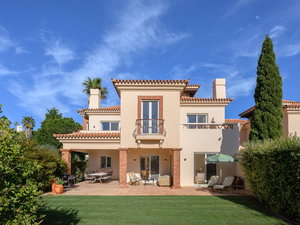
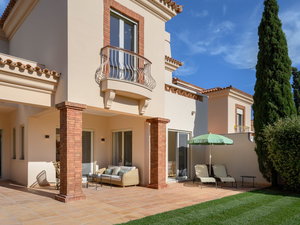
Portugal offers an extraordinary range from renovated quintas (country estates) in the Douro Valley and Alentejo to contemporary architect-designed villas in the Algarve. Traditional manor houses in the Minho region, Atlantic-facing homes along the Silver Coast, and modernist retreats in Comporta and Melides provide diverse lifestyle choices across every price bracket.
There are no restrictions on foreign nationals purchasing residential property in Portugal, regardless of citizenship. You will need to obtain a NIF (tax number), open a Portuguese bank account, and engage a local lawyer to handle the legal process including the CPCV (promissory contract) and escritura (deed of sale).
Annual costs typically include IMI property tax (0.3-0.45% of tax value), home insurance (EUR 300-1,000 depending on size), and utilities averaging EUR 200-500 monthly for larger properties. Pool maintenance, garden upkeep, and security systems can add EUR 500-1,500 per month for premium estates, though costs are significantly lower than equivalent properties in Western Europe.
The Alentejo interior, Silver Coast (between Lisbon and Porto), and northern Minho region offer exceptional value with large properties on generous plots from EUR 400,000-800,000. In contrast, the Algarve Golden Triangle, Cascais-Estoril line, and central Lisbon command premium prices, often exceeding EUR 2 million for comparable specifications.
The NHR programme, while reformed in 2024, previously offered qualifying foreign residents a flat 20% income tax rate on Portuguese-sourced income and potential tax exemptions on foreign income for ten years. Buyers relocating to Portugal should consult a tax adviser about the current IFICI regime, which replaced NHR and targets specific professional categories.
Portugal's Non-Habitual Resident 2.0 (IFICI) programme, introduced in 2024, offers a flat 20% personal income tax on qualifying employment and self-employment income for ten years, aimed at researchers, scientists and skilled professionals relocating to Portugal.
Prime segments in Lisbon, Cascais and the Algarve's Golden Triangle have compounded at roughly 5-8% annually over the last decade, outperforming most of the eurozone while remaining priced below Paris, Barcelona or Milan on a per-square-metre basis.
While the Golden Visa no longer accepts real-estate investment, buying property in Portugal pairs naturally with the D7 passive-income visa, D8 digital-nomad visa and IFICI professional regime, each of which offers a route to Portuguese residency and Schengen mobility.
Portugal has 1,800 km of Atlantic coastline, 300+ days of sun in the south, and ranks in the top seven of the Global Peace Index, a combination that underpins both year-round second-home demand and a growing permanent resident base.