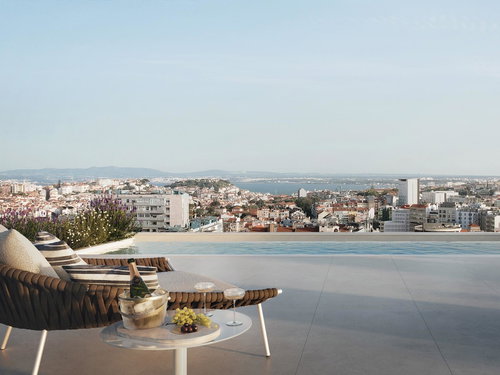
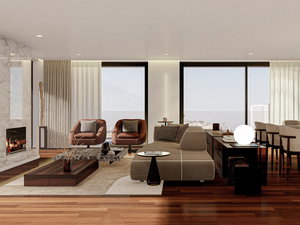
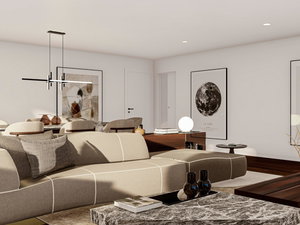
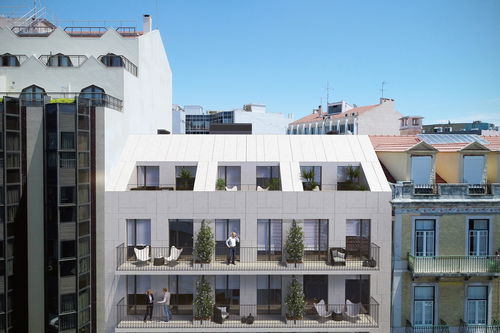
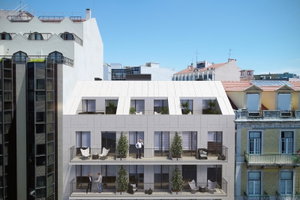
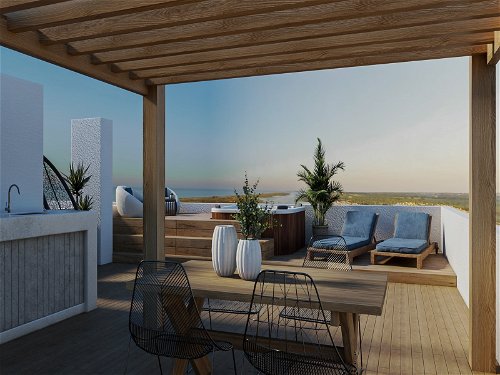
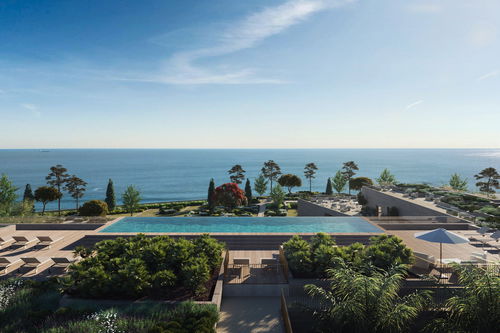
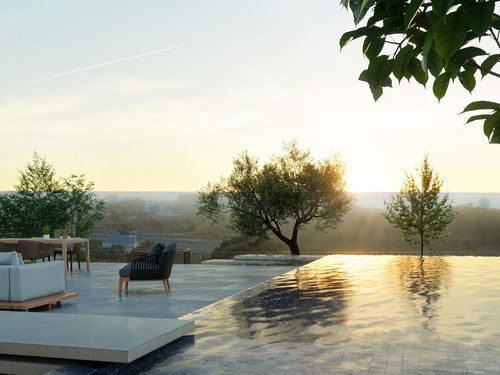
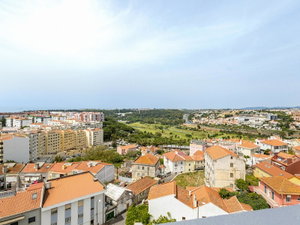
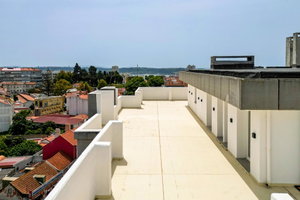
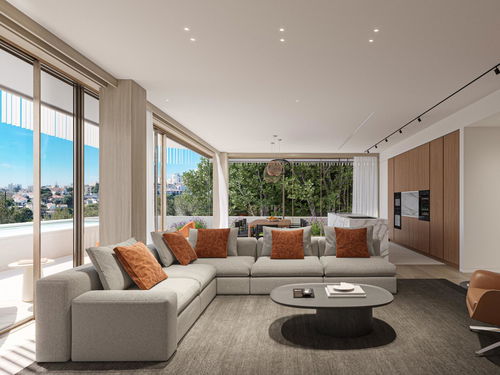
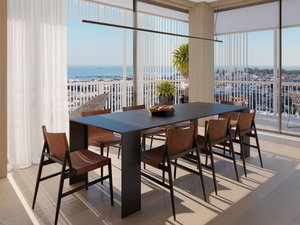
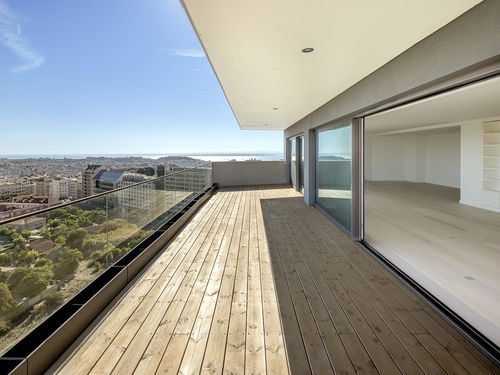
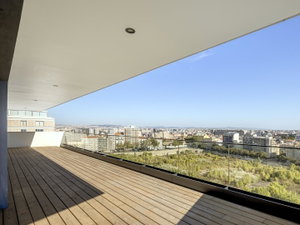
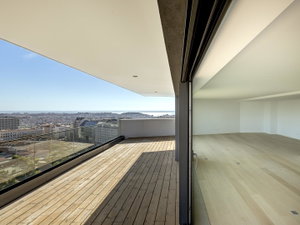
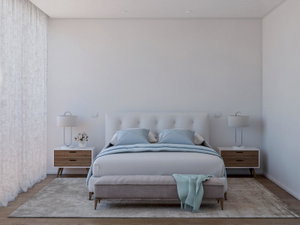
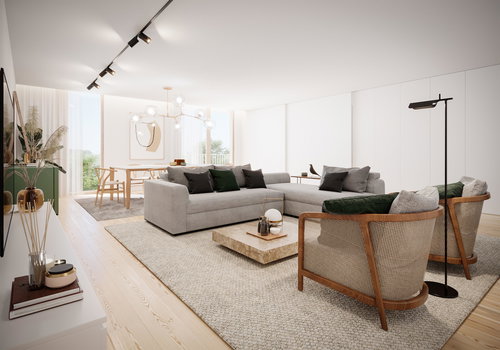
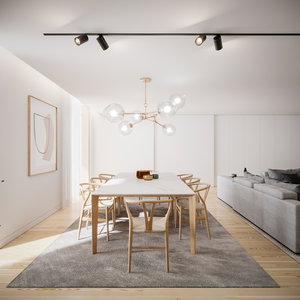
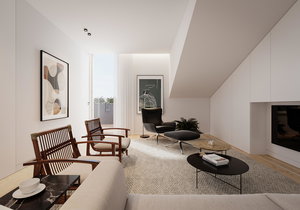
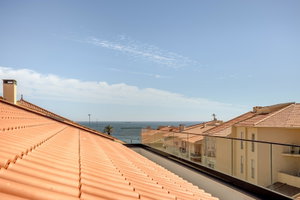
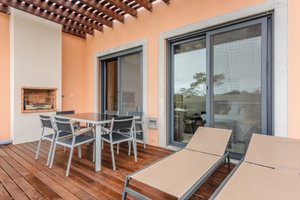
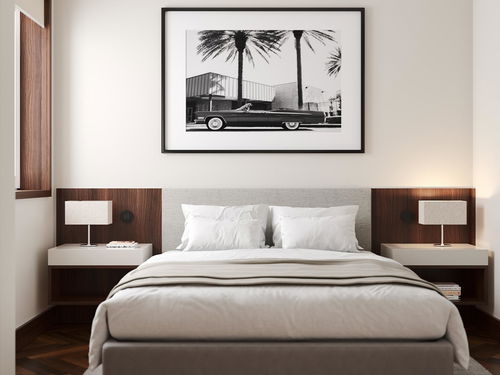
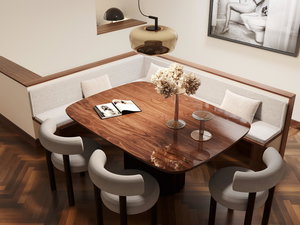
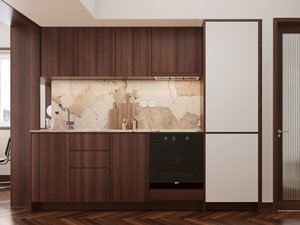
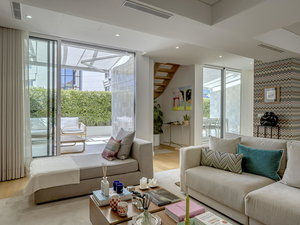
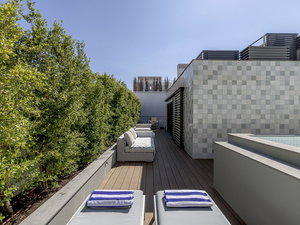
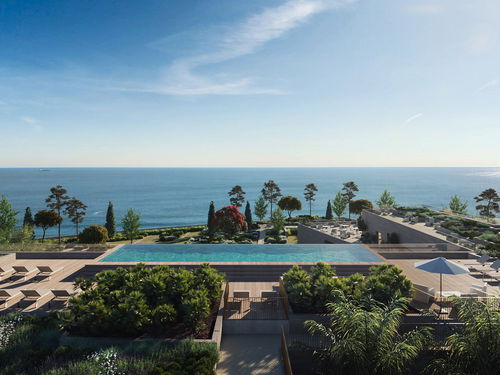
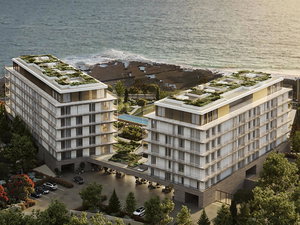
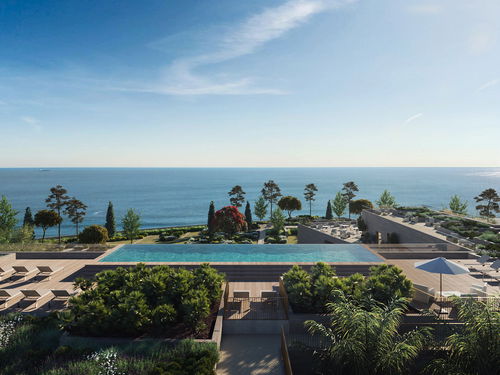
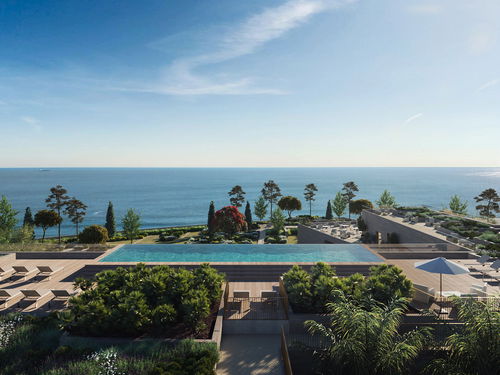
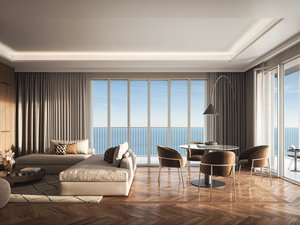
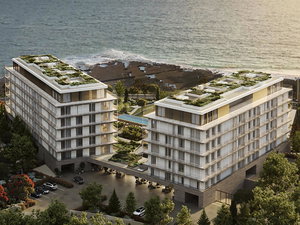
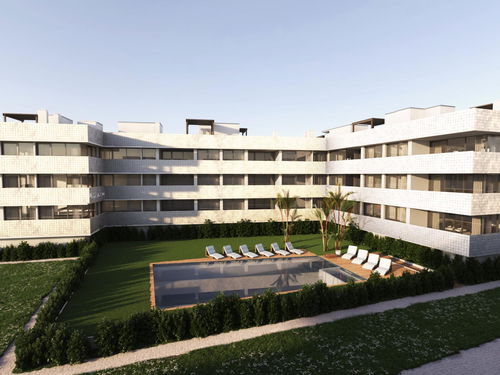
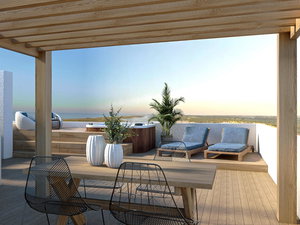
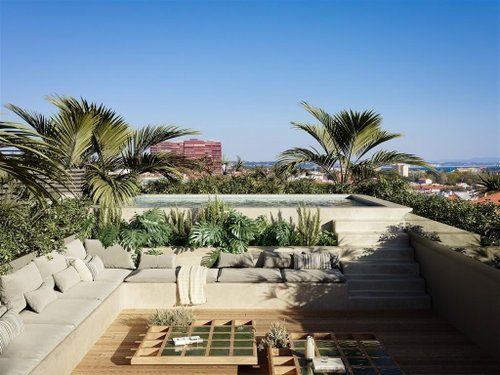
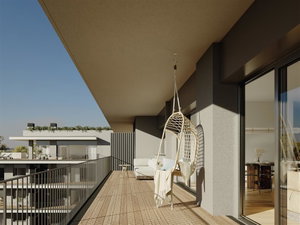
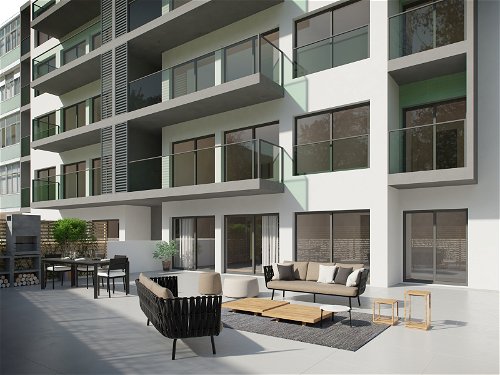
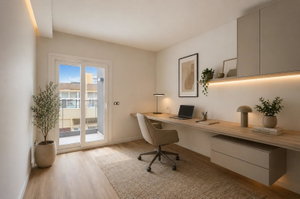
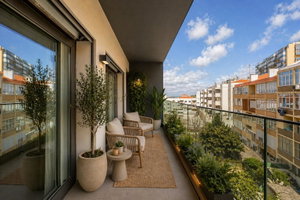
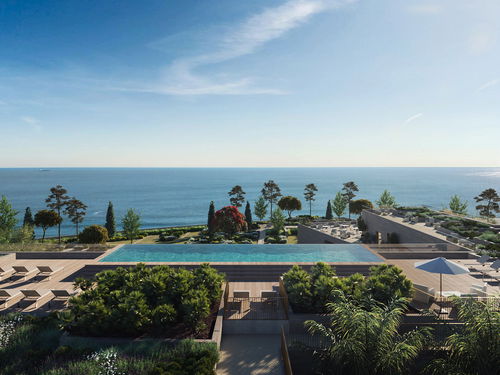
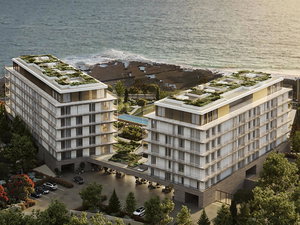
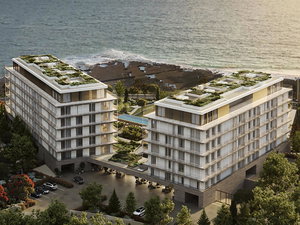
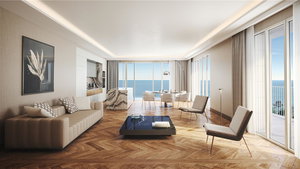
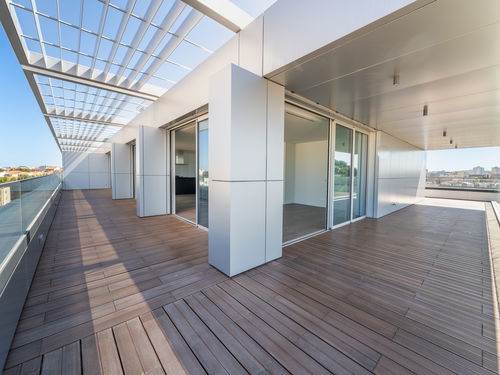
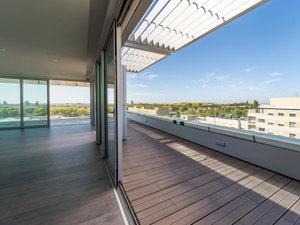
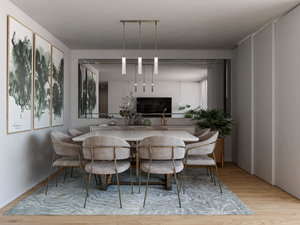
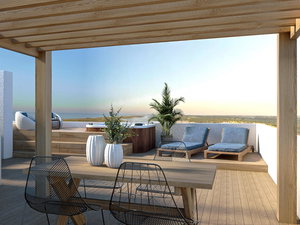
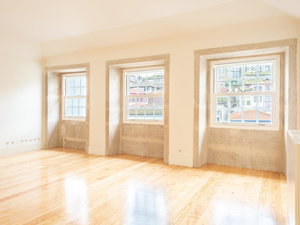
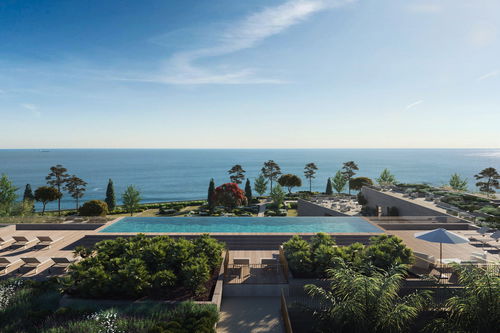
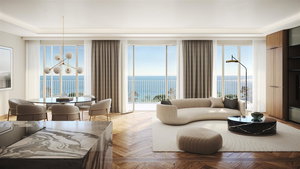
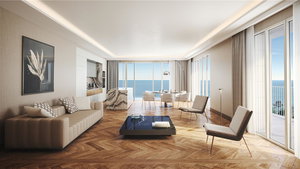
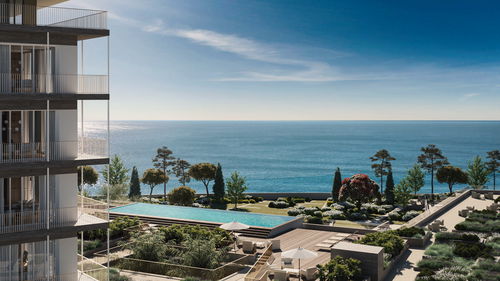
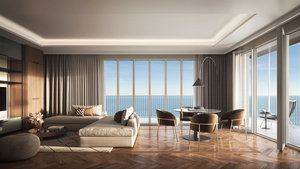
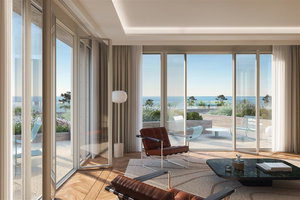
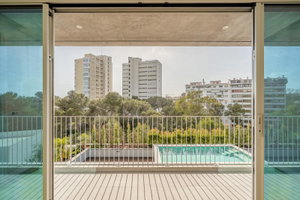
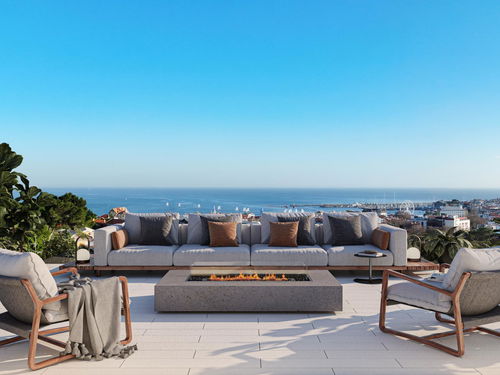
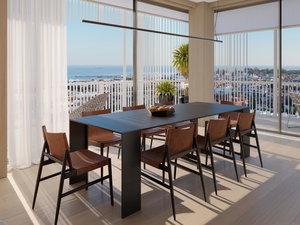
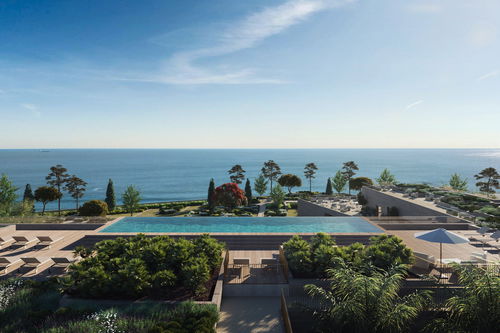
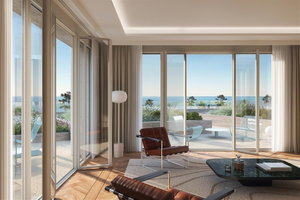
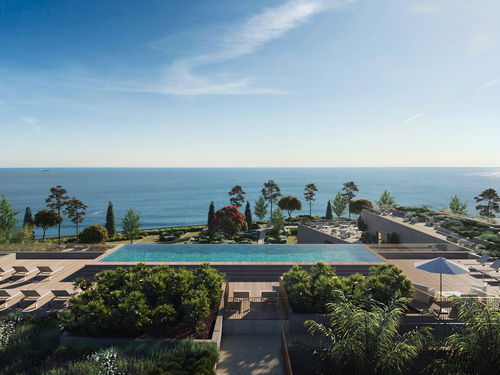
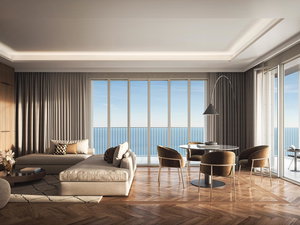
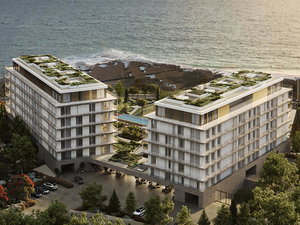
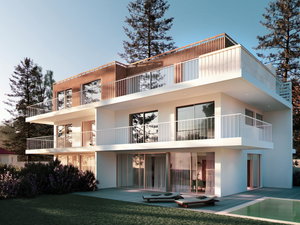
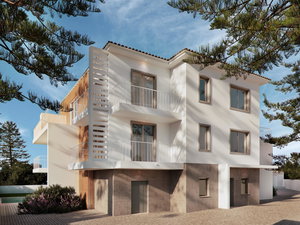
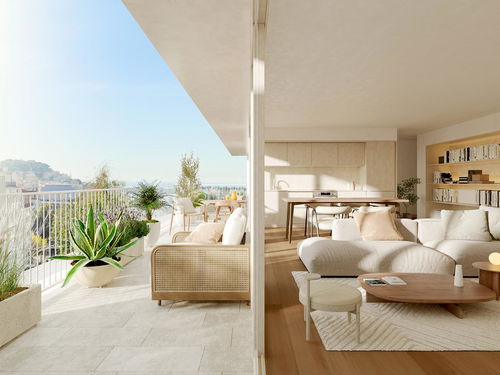
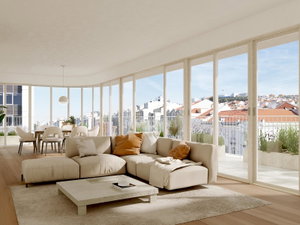
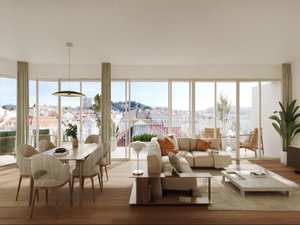
Lisbon's Avenida da Liberdade, Chiado, and Principe Real represent the pinnacle of the Portuguese penthouse market, with properties offering castle, river, and city panoramas. Porto's Foz do Douro and Baixa districts have exceptional ocean and Douro views, while the Algarve's Vilamoura marina and Quinta do Lago offer resort-style penthouses with golf and sea vistas.
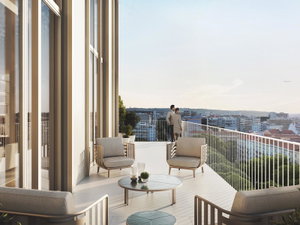
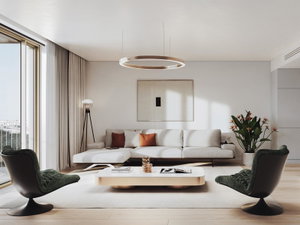
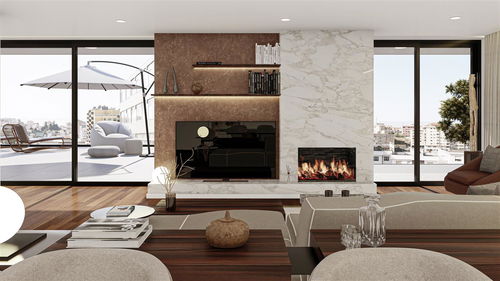
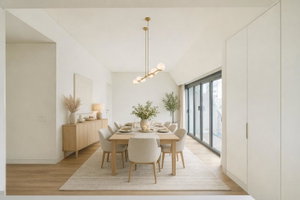
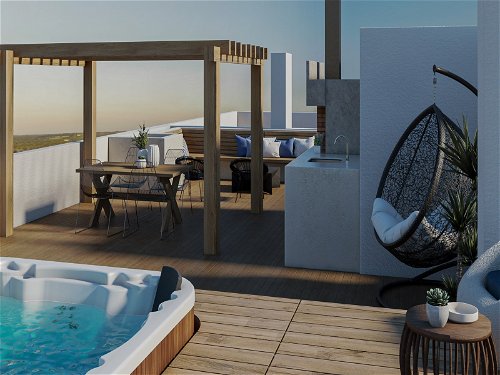
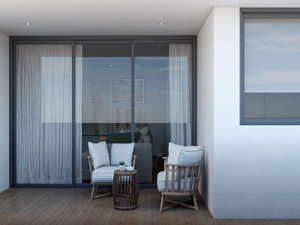
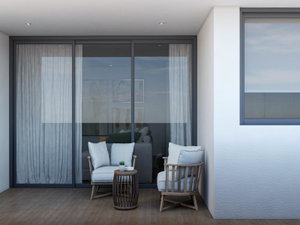
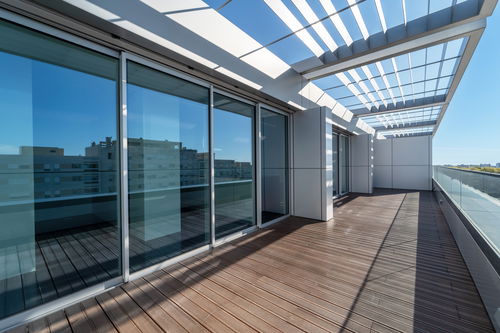
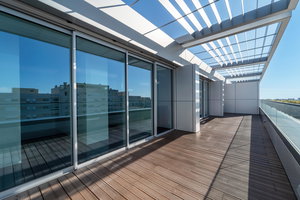
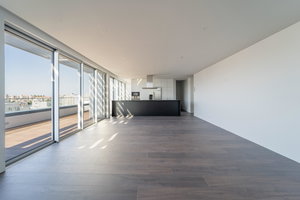
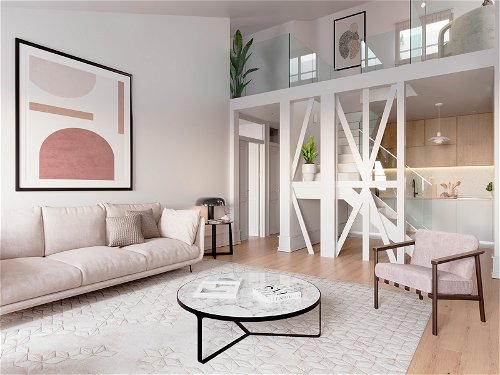
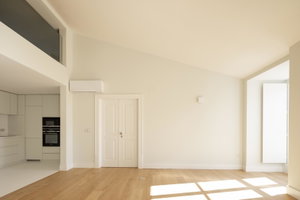
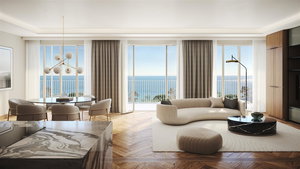
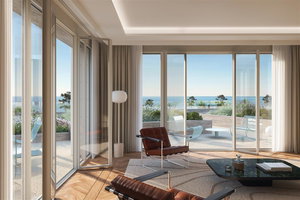
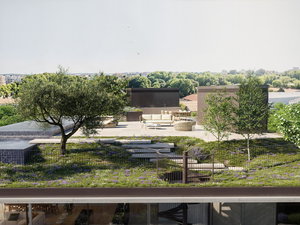
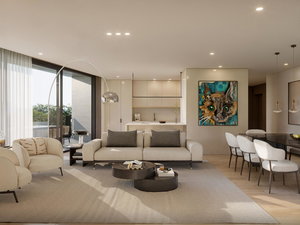
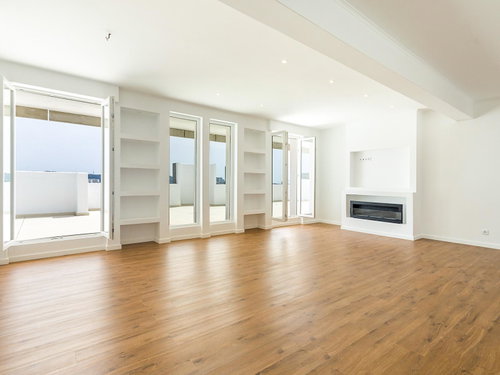
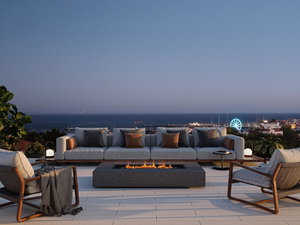
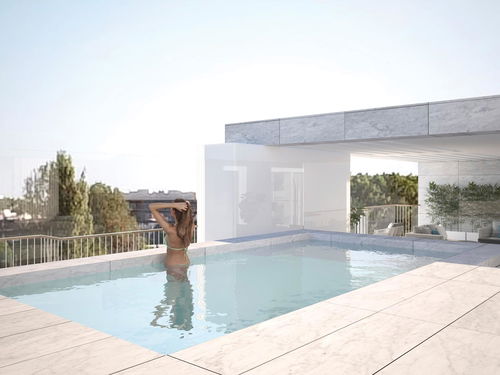
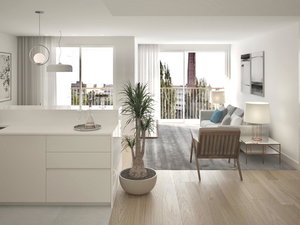
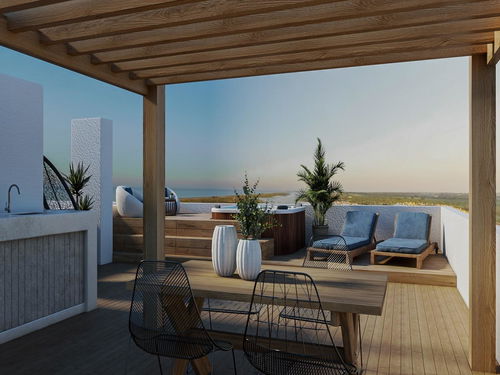
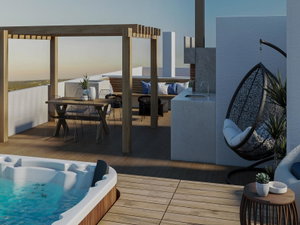
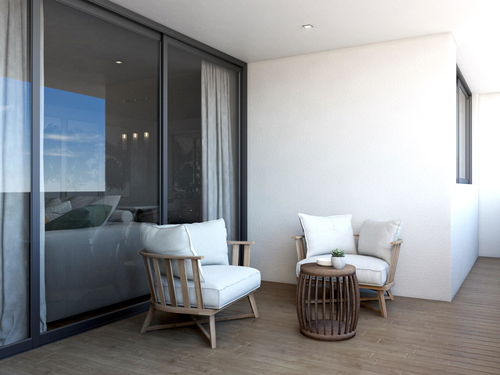
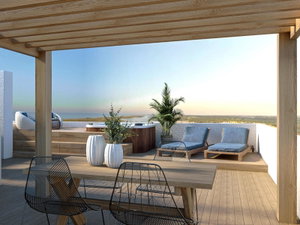
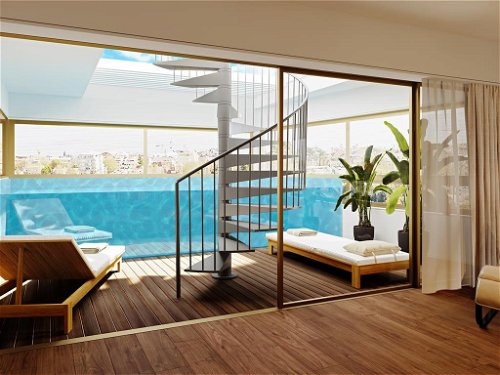
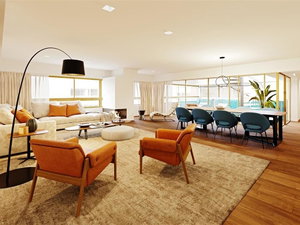
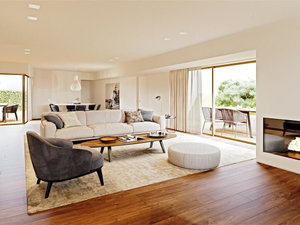
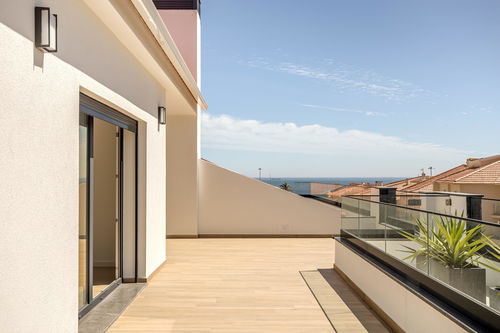
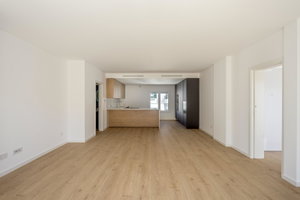
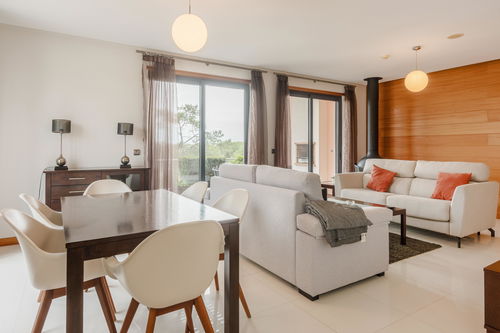
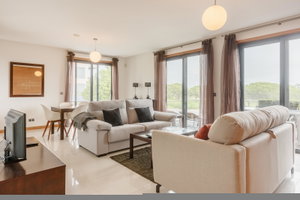
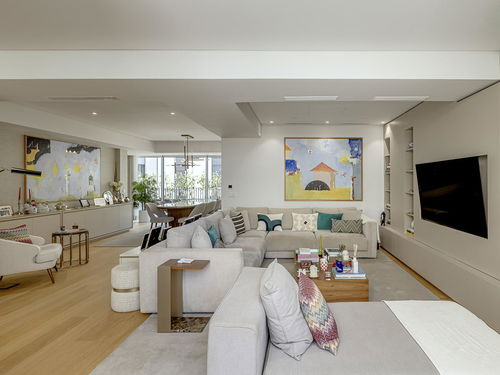
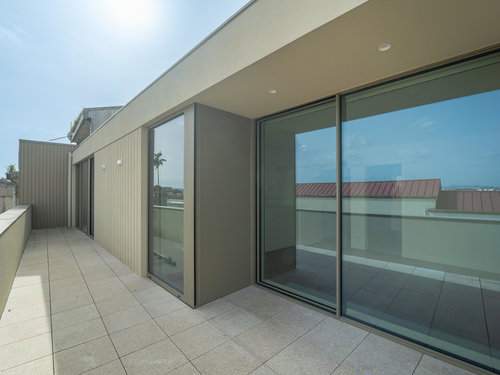
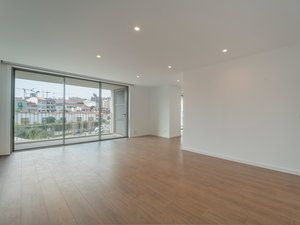
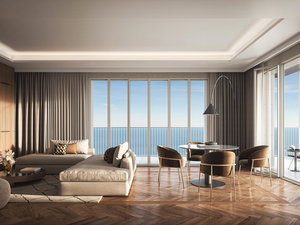
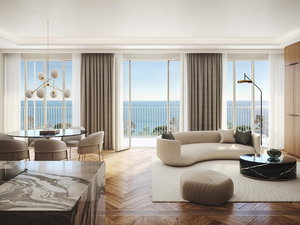
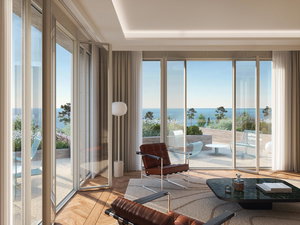
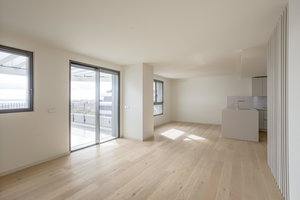
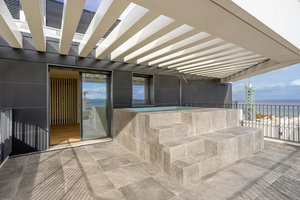
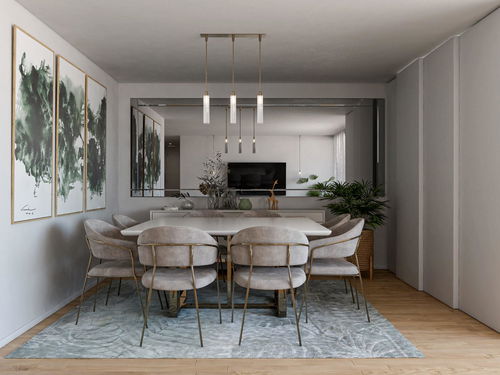
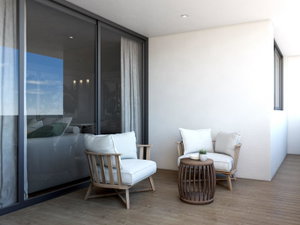
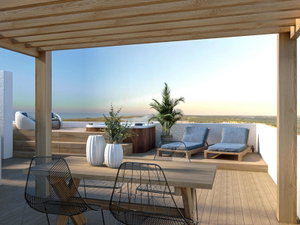
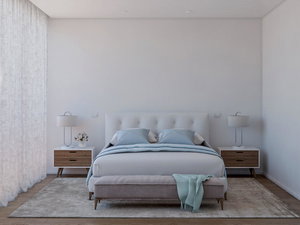
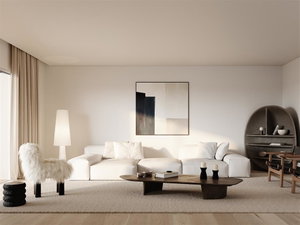
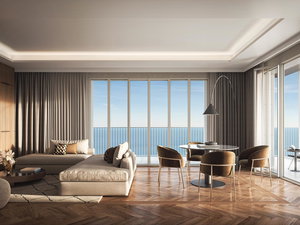
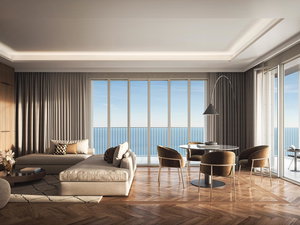
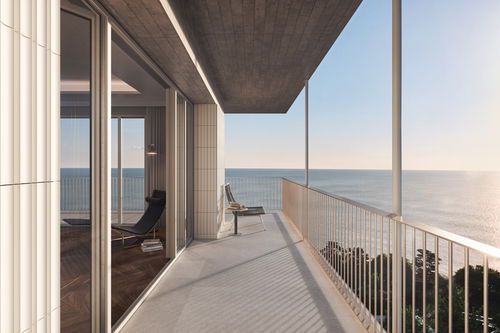
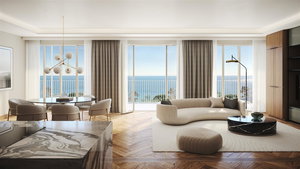
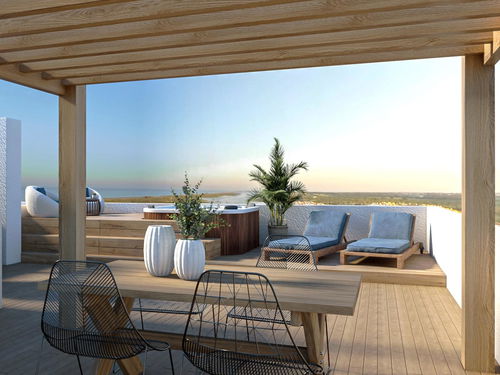
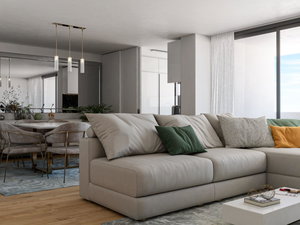
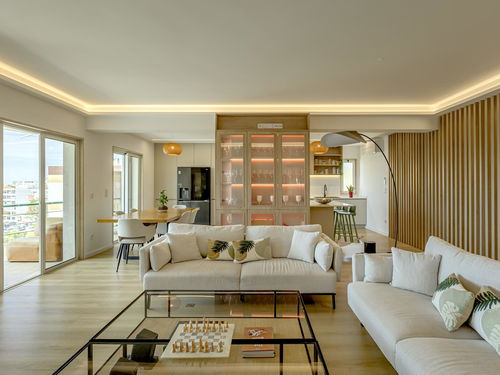
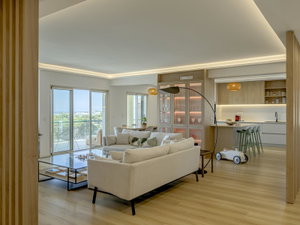
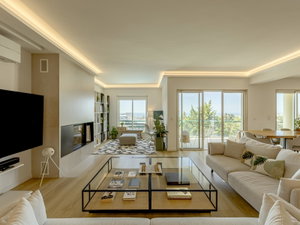
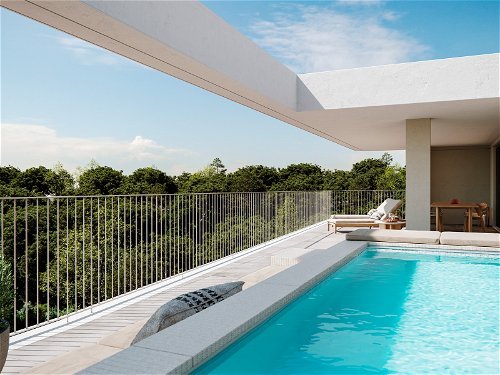
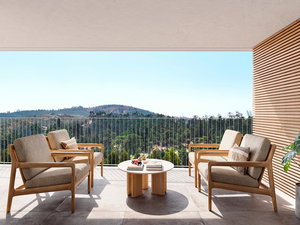
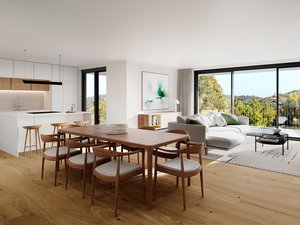
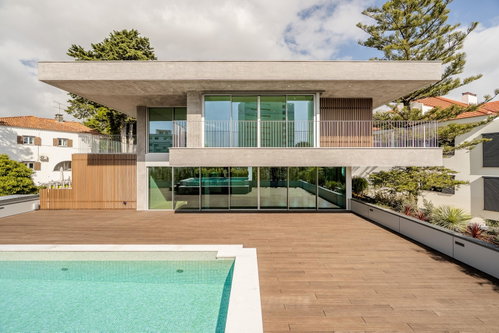
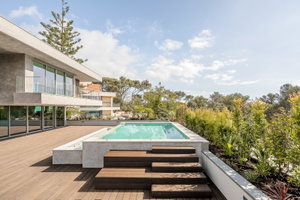
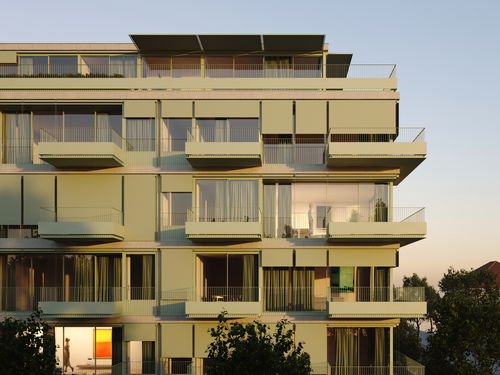
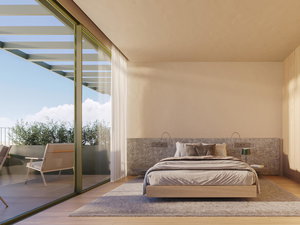
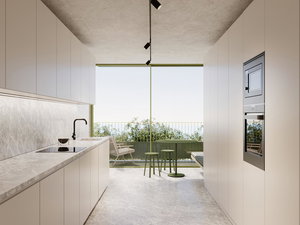
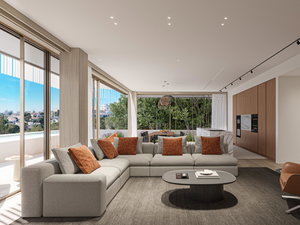
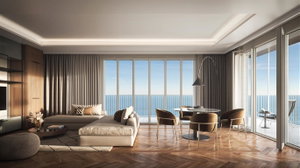
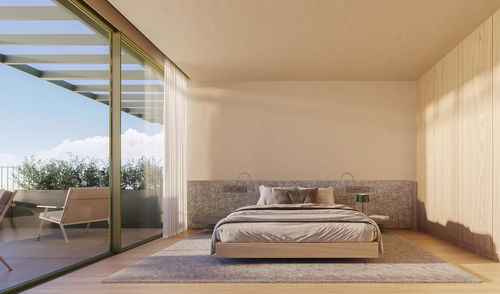
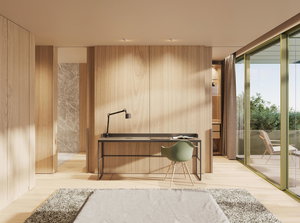
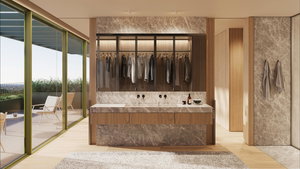
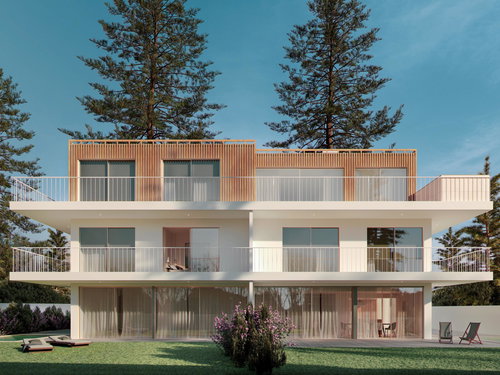
Portuguese luxury penthouses typically feature private rooftop terraces (often with plunge pools or hot tubs), double-height living spaces, floor-to-ceiling glazing, and premium finishes including stone, hardwood, and bespoke joinery. The best examples occupy the top two floors of prestigious buildings, offering 360-degree panoramic views and complete privacy within an urban or resort setting.
In Lisbon's prime locations, penthouses range from EUR 1.5-10 million+ with exceptional examples on Avenida da Liberdade exceeding EUR 15 million. Porto penthouses are more accessible at EUR 600,000-3 million, while Algarve resort penthouses range from EUR 500,000-2.5 million, offering strong rental potential alongside personal enjoyment.
Penthouses above EUR 600,000 VPT (tax patrimonial value) are subject to AIMI (Adicional ao IMI) at 0.7-1.5%, in addition to standard IMI. IMT (transfer tax) reaches its maximum rate of 7.5% for residential properties above EUR 1,178,832, so acquisition taxes on a EUR 3 million penthouse would total approximately EUR 225,000 in IMT alone, plus 0.8% stamp duty.
Crucial checks include confirming the rooftop terrace is legally part of your fraction (not common building area), verifying waterproofing responsibilities and recent maintenance history, and checking the building's structural capacity for any terrace installations like pools or hot tubs. The titulo constitutivo (building constitution) should clearly define your exclusive-use areas and any shared roof maintenance obligations.
Portugal's Non-Habitual Resident 2.0 (IFICI) programme, introduced in 2024, offers a flat 20% personal income tax on qualifying employment and self-employment income for ten years, aimed at researchers, scientists and skilled professionals relocating to Portugal.
Prime segments in Lisbon, Cascais and the Algarve's Golden Triangle have compounded at roughly 5-8% annually over the last decade, outperforming most of the eurozone while remaining priced below Paris, Barcelona or Milan on a per-square-metre basis.
While the Golden Visa no longer accepts real-estate investment, buying property in Portugal pairs naturally with the D7 passive-income visa, D8 digital-nomad visa and IFICI professional regime, each of which offers a route to Portuguese residency and Schengen mobility.
Portugal has 1,800 km of Atlantic coastline, 300+ days of sun in the south, and ranks in the top seven of the Global Peace Index, a combination that underpins both year-round second-home demand and a growing permanent resident base.
Before you go
Tell us what you have in mind — a location, a budget, a type of home — and a member of our team will come back to you personally. No obligation.
A member of our team will be in touch with you shortly.