Before you buy
Quentin, after a careful discussion and exchange of ideas, understood exactly what we were looking. He then sent us examples of a range of properties from which we were able to refine our own definitions of exactly what we were looking for and what our budget would allow. A true professional in real estate and a pleasure to deal with.
Quentin has an excellent approach, great communication, expert knowledge, warm and empathetic whilst going through our property search with us. We cannot thank you enough and would highly recommend you to anyone starting their property search in Portugal. Kindest. Victoria
I found Quentin an excellent communicator when my wife and I were researching properties in his area. We had chats via zoom calls and he had properties to view when we arrived from UK. Good service, humorous and professional.
I had the pleasure of partnering with Quentin during a visit in Portugal. Quentin was a true partner, coordinating the whole trip, taking into account every detail and aspect of the trip, accessible the whole time and very understanding. He was very present and attentive to my needs and expectations. I can only highly recommend Quentin.
We had limited experience with Quentin - because he is in Portugal and we are in Canada. We can say that Quentin is completely professional. He answered emails same day and always provided information we asked for. He took the time to do his job well and we will continue our dealings with him.
Efficient, proactive, ready to help, pleasant relationship, large inventory
Muy buen servicio, profesionales. Nuestro contacto fue con Quentin y de verdad siempre muy pendientes de resolver nuestras dudas y con un trato sumamente agradable y servicial. 100% recomendables.
Hemos comprado una casa con Quentin y FineLuxuryProperty en Costa blanca y ustedes han sido fantásticos. ¡Muy recomendable! Gracias para todo.
A great company to deal with, very professional and always kept me up to date with everything. Really enjoy working with these guys.
It was a very good experience working with Quentin, always very helpful and he knows very well the market in Portugal. Toujours un plaisir de travailler avec Fine Luxury Property. Bien cordialement, PL
These are real reviews from our verified Google Business profile. Read all on Google →
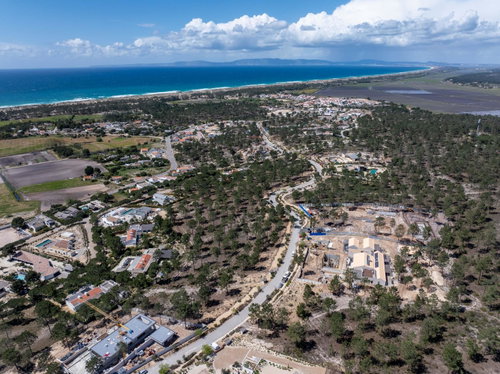
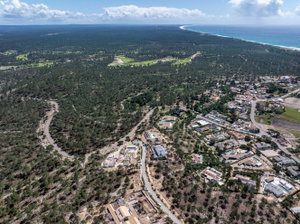
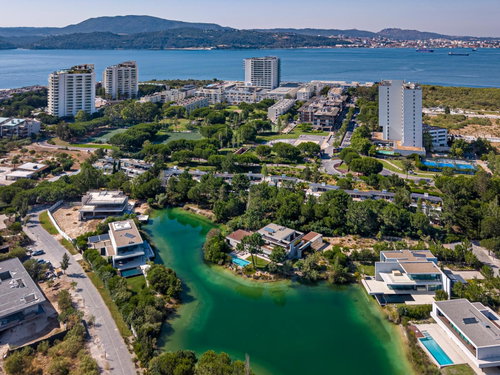
Grândola occupies the Alentejo coast between the Sado estuary and the Atlantic, encompassing the Comporta parish, Carvalhal, Pego beach and the Herdade do Pinheirinho cork forests. Fine Luxury Property advises international buyers on contemporary villas, cork-and-pine estates and Comporta-style beach houses across the Grândola municipality, one of Portugal's most protected and architecturally distinctive coastal markets.
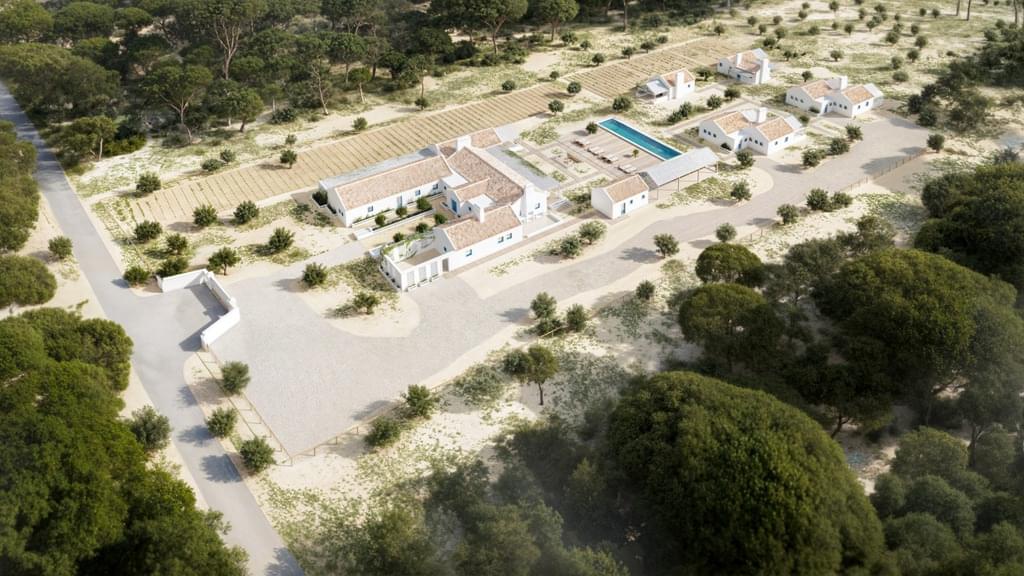
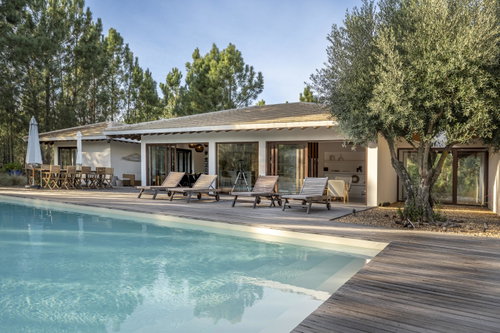
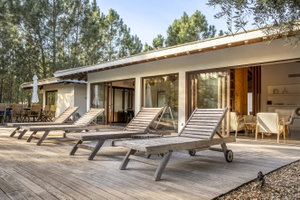
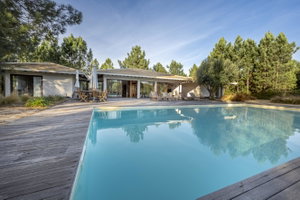
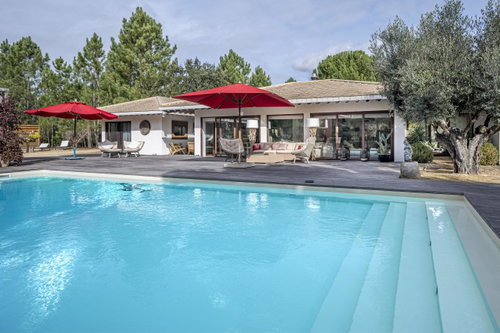
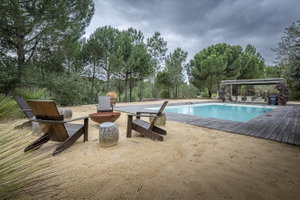
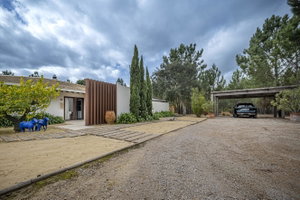
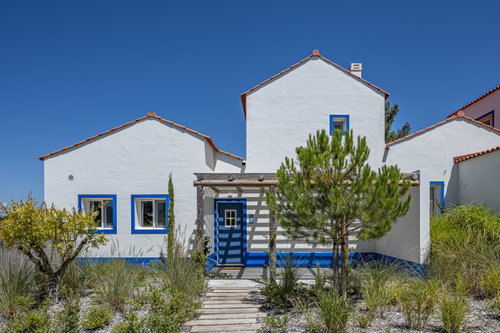
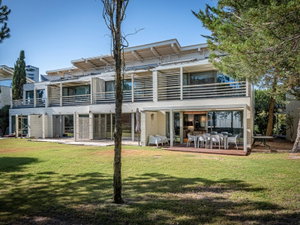
Contemporary Comporta-style villas in Carvalhal, Pego and the Herdade do Pinheirinho, three-to-six bedrooms with private pools, palm-thatch roofs and plots of 2,000-10,000 m² inside cork-forest or dune-belt positions, typically €2-€12 million.
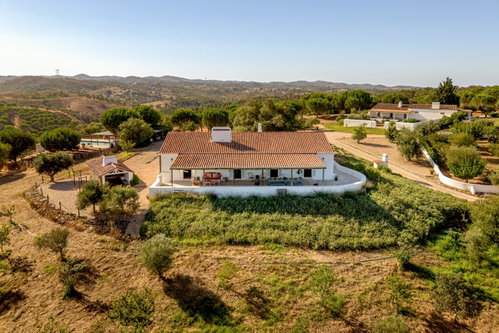
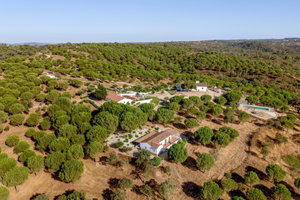
Working cork and pine herdades across the Grândola hinterland, 20-200 hectare estates with ruin conversions, stables and often a private trail to the Atlantic dunes, suited to buyers seeking genuine rural Alentejo scale.
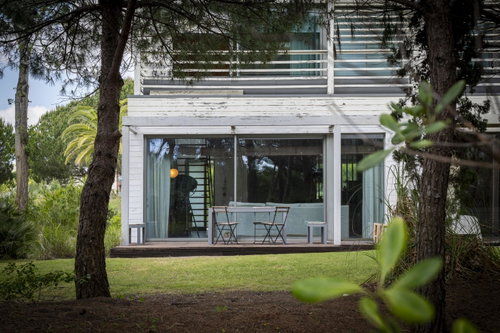
Wooden-clad beach houses in Carvalhal village and the Pego-Aberta Nova dune belt, inside the Arrábida-to-Sines protected coastline and within walking distance of the famously empty Grândola-Comporta beaches.
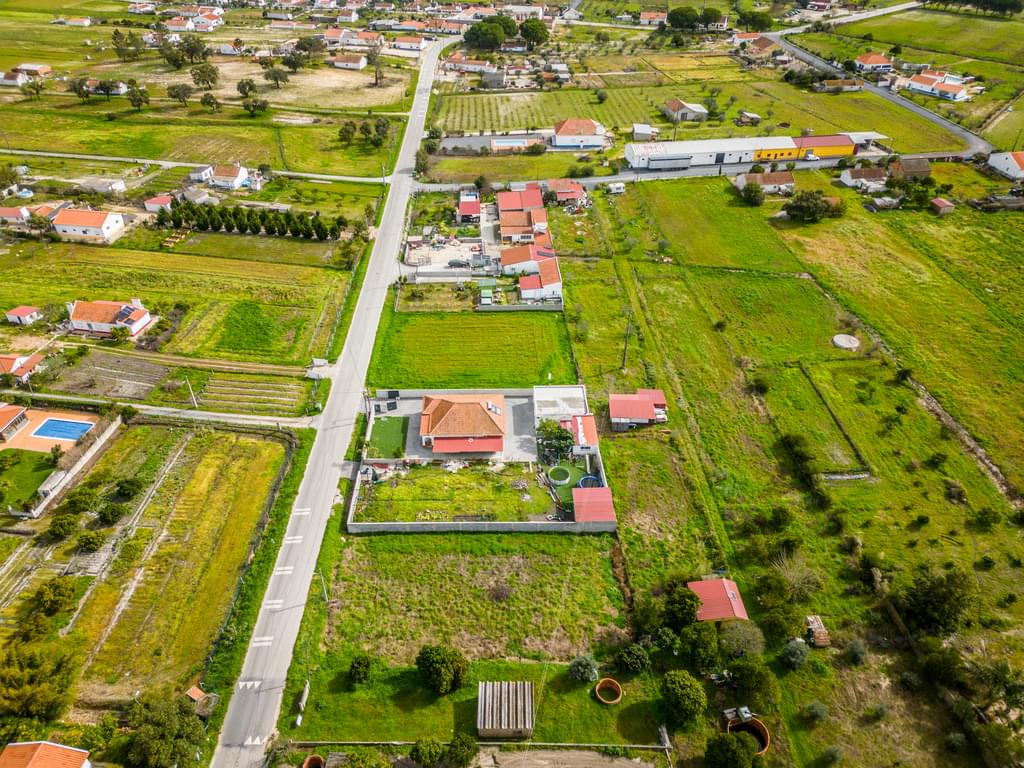
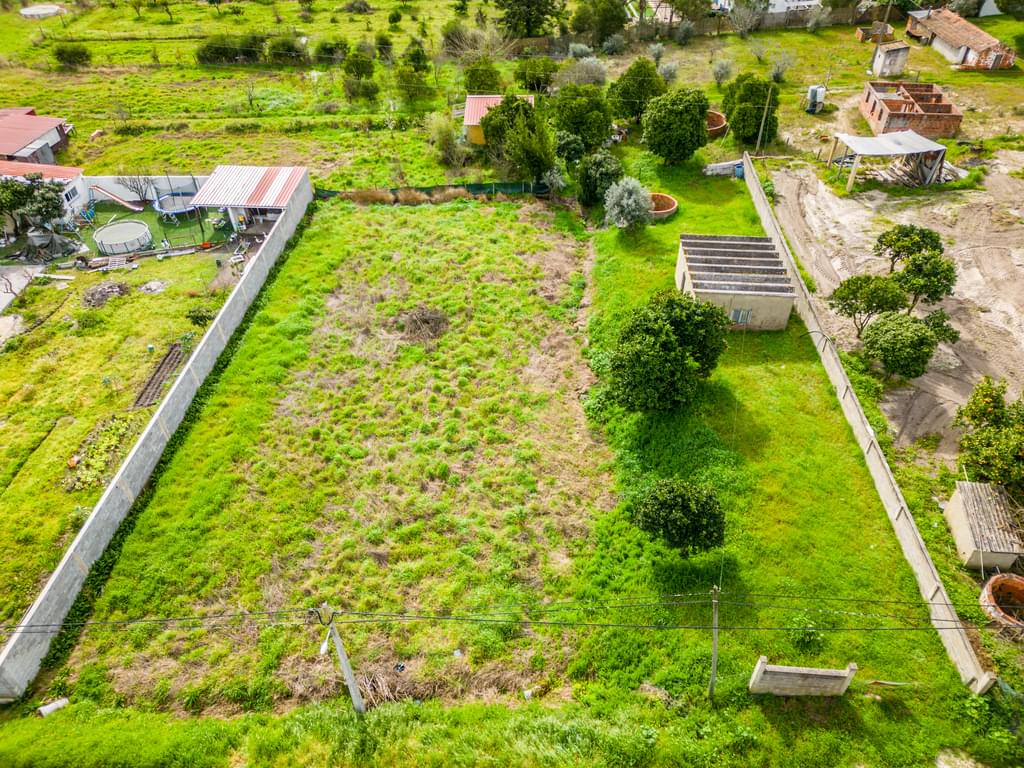
Monte Alentejano farmhouses, ruin-plus-land plots and cork-forest quintas inland from Grândola town, combining agricultural use with residential conversion potential and access to the wider Alentejo wine and horse country.
Fine Luxury Property is a Comporta and Grândola real estate agency advising international clients on villas, herdades and rural conversion plots across the Grândola municipality. Our multilingual team works in English, French, Portuguese and Spanish, reflecting the longstanding French community at the heart of the Comporta-Carvalhal-Melides axis, and we coordinate NIF, IMT, rural-planning diligence and Herdade da Comporta condominium workflows in parallel with independent advogado oversight.
Grândola's inland cork forests and the Sado estuary rice paddies are protected under the Reserva Natural do Estuário do Sado and Arrábida-Sines coastal regimes. This preservation underwrites the discreet, low-density architectural vernacular for which Comporta and Carvalhal have become famous internationally.
Over 12,500 hectares of the Grândola coast formerly belonged to the Espírito Santo family's Herdade da Comporta and are now being released in phased architectural developments such as Les Terrasses de Comporta and the CUF and Amanjena residences, setting a measured supply pipeline.
Grândola sits roughly 100 km south of Lisbon via the A2 motorway and the Vasco da Gama bridge, a 1-hour drive door-to-door from the capital, a positioning that Comporta and Carvalhal exploit for weekend and seasonal use by Lisbon residents and private-jet arrivals at Cascais aerodrome.
The broader Grândola-Alcácer do Sal-Setúbal corridor anchors Portugal's horse country, cork production and Alentejo wine culture, delivering a rural lifestyle ecosystem genuinely distinct from any coastal Algarve, Cascais or northern-Portugal comparator.
The Grândola municipality covers Comporta, Carvalhal, Melides, the Herdade do Pinheirinho and the inland Alentejo hinterland. We brief each parish against beach, horse, wine and Lisbon-commute priorities before sourcing inventory, on- and off-market.
We organise a Portuguese tax number (NIF), a local bank account and, where useful, a power of attorney granted to a Setúbal- or Lisbon-based advogado, typically inside two weeks with apostille translation for non-EU clients.
Grândola properties are frequently rural and often classified within the Arrábida-Sines coastal protection or Sado estuary reserve. We verify the Caderneta Predial, planning overlays and Reserva Ecológica Nacional (REN) status before reservation.
The promissory contract (CPCV) is signed with a 10-20% deposit via a Portuguese bank. For herdade and ruin-plus-land plots we include explicit clauses on water rights, borehole licences, rustic-to-urban conversion eligibility and access easements.
IMT transfer tax is settled on a sliding 0-7.5% scale, stamp duty at 0.8% and notary and Conservatória do Registo Predial fees at roughly 1-2%. Rural-zoned properties attract lower IMI annual rates of 0.8% on rural value, which we factor into the post-completion budget.
For buyers extending or converting, we engage with the Câmara Municipal de Grândola on PIP (informação prévia) consultation before deed signing, reducing planning risk on protected-zone plots.
The Arrábida-Sines coastal protection, the Sado estuary reserve and the Herdade da Comporta masterplan together cap new build across the Grândola coast. Planned releases such as Les Terrasses de Comporta and the Amanjena residences are phased, keeping scarcity and architectural vernacular intact.
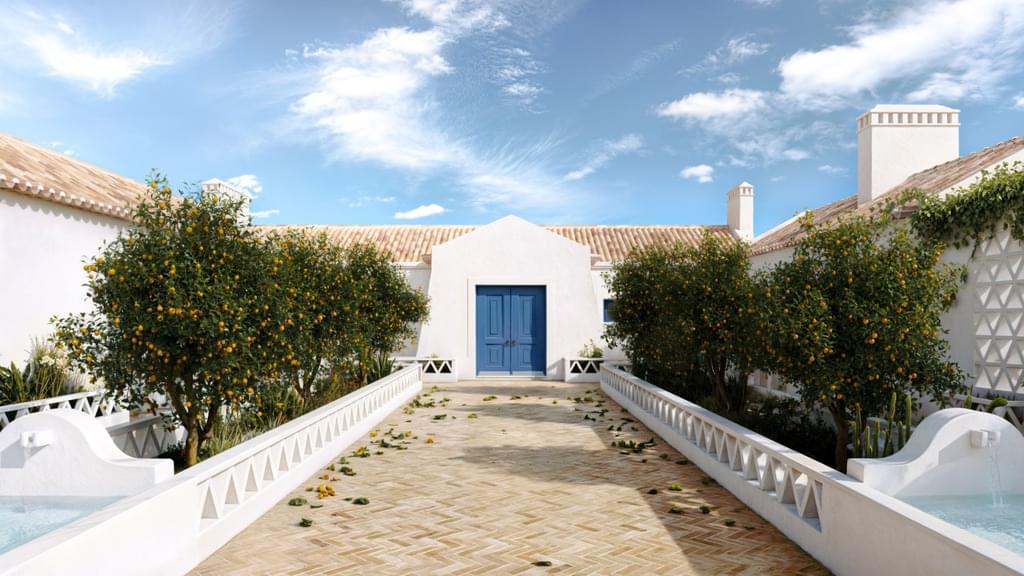
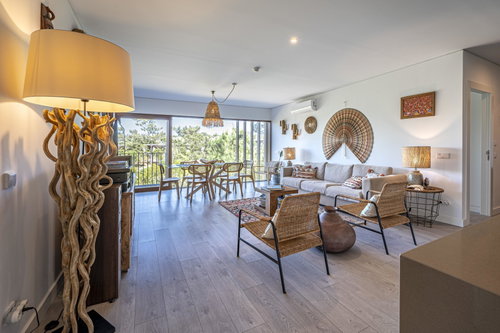
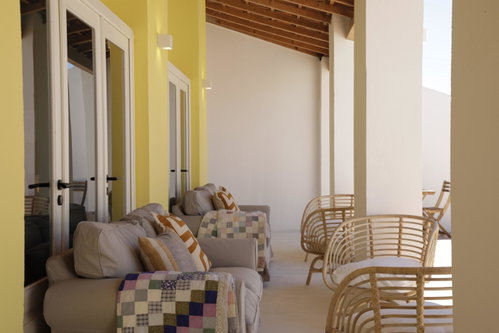
The palm-thatch, cane-ceiling, whitewashed single-storey Comporta vernacular has become an international design reference, commanding a per-square-metre premium over generic Alentejo new-build and supporting values across Carvalhal, Pego and Melides.
Grândola's 1-hour drive from Lisbon via the A2 makes Comporta and Carvalhal the default weekend coast for affluent Lisbon residents, adding year-round occupancy to what would otherwise be a purely seasonal market.
Cork-forest and pine herdades in the Grândola hinterland offer genuine stewardship assets with carbon, biodiversity and cork-harvest income streams layered onto the residential building footprint, a combination only a handful of European rural markets still deliver.
Entry-level rural houses in the Grândola hinterland start around €350,000-€600,000 on small plots. Grândola hinterland villas trade at €3,500-€5,500 per square metre. Comporta and Carvalhal villas reach €7,000-€12,500 per square metre, typically €2-€8 million for a four-bedroom residence with pool and cork-forest plot. Herdade-style new-build residences at Les Terrasses de Comporta and Amanjena sit at €8,000-€14,000 per square metre. Working cork and pine herdades trade at €25,000-€70,000 per hectare, with trophy estates exceeding €20 million.
Comporta parish concentrates the original fishing-village beach houses and rice-paddy villas. Carvalhal is the emerging centre, with the Pego beach dune belt hosting the most sought-after new-build villas. The Herdade do Pinheirinho and Herdade da Comporta releases deliver gated architectural residences. Melides, further south within Grândola, has attracted Christian Louboutin, Philippe Starck and a wave of design-led renovations. The inland Grândola hinterland offers larger rural plots and working herdades at significantly lower per-hectare pricing.
Grândola sits 100 km south of Lisbon via the A2 Auto-estrada do Sul and the Vasco da Gama bridge, a 1 hour to 1 hour 15 minute drive door-to-door depending on bridge traffic. Lisbon's Humberto Delgado Airport is a 1 hour 10 minute drive. The Troia ferry from Setúbal shortens summer access by roughly 20 minutes for Lisbon-based owners. Cascais aerodrome is used by private-jet arrivals from Paris, London and Geneva, cutting door-to-door time to Carvalhal to under 30 minutes.
Yes. Portugal requires AMI licensing for any real estate agent and a regulated brokerage on the Comporta-Grândola coast will share off-market inventory, particularly for herdades and Herdade da Comporta releases rarely advertised publicly. Our multilingual team works in English, French, Portuguese and Spanish, reflecting the French community concentrated between Comporta, Carvalhal and Melides, and we coordinate NIF, IMT, rural-planning diligence and Herdade condominium rules as a single workflow.
Comporta-style villas let over July-August typically achieve 4-6% gross yields given very high peak-season nightly rates of €2,000-€8,000 and a relatively short true season. Carvalhal beach-house short-lets reach 4.5-6.5% gross on a wider April-October window. Herdade-style long-lets to resident families run 3-4% gross. Rural herdades with agri-tourism licensing achieve 3.5-5% gross. Alojamento Local registration is administered by the Câmara Municipal de Grândola and is currently more accommodative than central Lisbon.
Yes. Grândola coastal properties are frequently classified within the Arrábida-Sines coastal protection regime, the Reserva Natural do Estuário do Sado or the Reserva Ecológica Nacional (REN). New construction, building footprint increases and rural-to-urban conversion are tightly controlled. The Herdade da Comporta masterplan separately caps densities inside the former estate. Our due diligence includes PIP (informação prévia) consultation with the Câmara Municipal de Grândola before the promissory contract is signed on any conversion-led purchase.
Completion costs run 7-10% of the purchase price. IMT transfer tax is charged on a sliding 0-7.5% scale with higher effective rates on second homes and properties above €1 million. Stamp duty is 0.8%. Notary and Conservatória do Registo Predial fees add 1-2%. Legal fees for independent conveyancing sit at about 1% plus VAT. Annual IMI in the Grândola municipality is 0.3-0.45% on urban property and 0.8% on rural property. Non-resident rental income is taxed at 25%.
No. The Portugal Golden Visa stopped accepting real-estate investment in October 2023, including in Comporta, Carvalhal and the wider Grândola municipality. International buyers can still pair a Grândola acquisition with the D7 passive-income visa, the D8 digital-nomad visa or the NHR 2.0 / IFICI skilled-professional regime for residency. Property purchase itself is fully open to non-resident foreign buyers with no nationality restriction, subject to obtaining a Portuguese NIF.
Serving international clients in Grandola. Expertise in historic preservation, new developments, and investment properties across all neighborhoods.
Before you go
Tell us what you have in mind — a location, a budget, a type of home — and a member of our team will come back to you personally. No obligation.
A member of our team will be in touch with you shortly.